Description
”As with all the wines I do a very exacting sorting of the fruit. Fermented in large cement ferment, which is great for heat retention. My fermentations are slow, with very little pump overs — once the ferment is going I will start a very gentle punch down, often just using my feet. Élevage in a combination of 2, 3, 4 year old wood for 12 months. I am really looking for brightness of Pinot Noir, lots of crunchy acidity but still showing a good structure.
— Mark Haisma
The wine
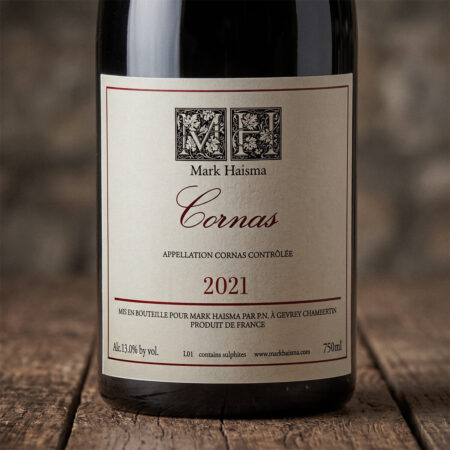
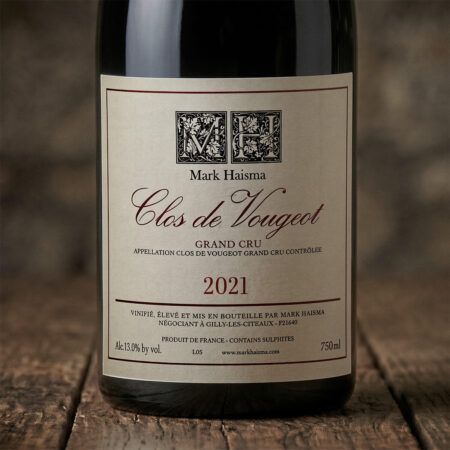
Mark Haisma arrived in Gevrey-Chambertin in 2007 after a decade at Yarra Yering in Victoria — one of Australia’s most celebrated estates. He came with a clear philosophy and without a cellar, working first from rented space and building his operation gradually into what is now one of the most sought-after small productions in the Côte de Nuits.
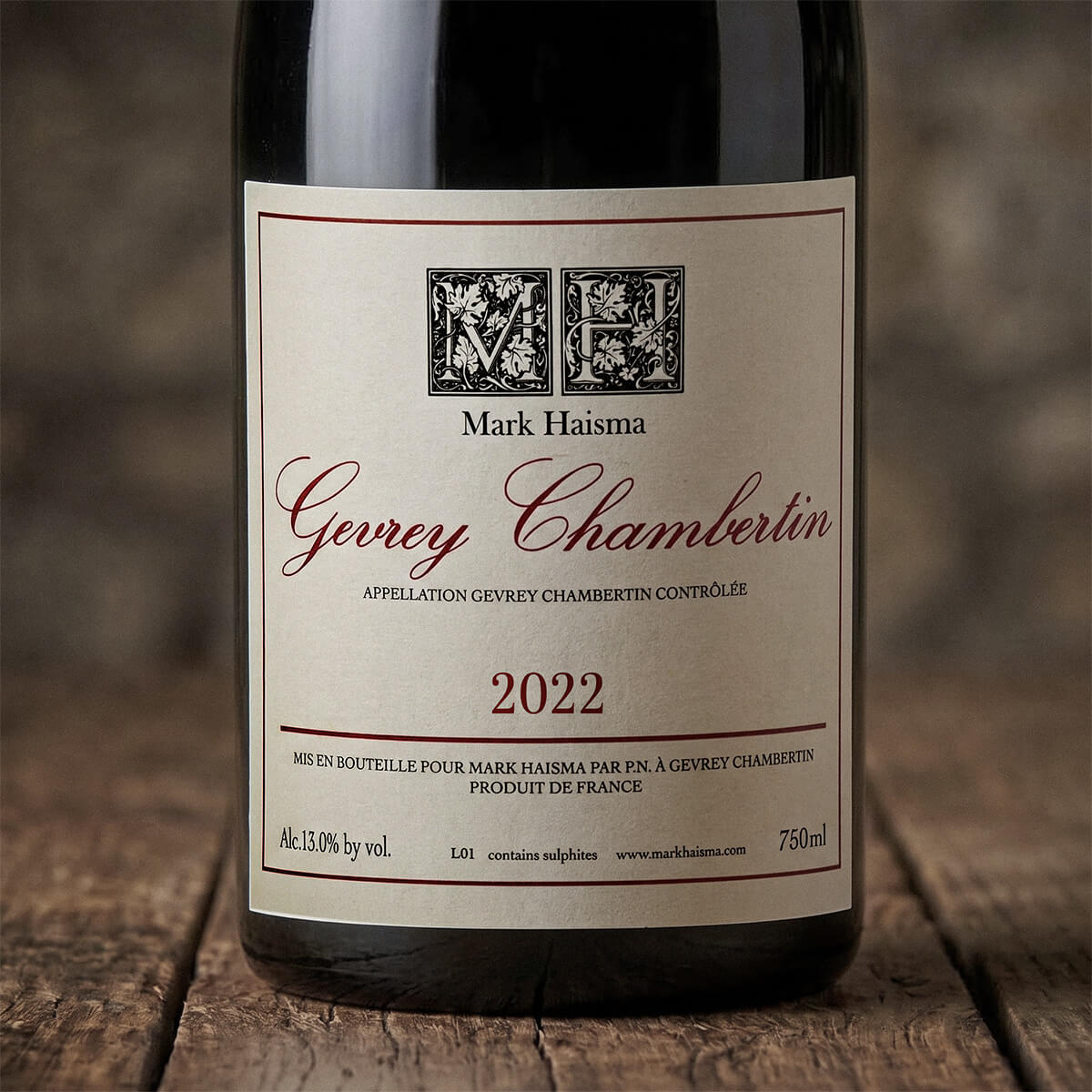
The village Gevrey-Chambertin is the natural entry point into the Haisma range — and the wine that most clearly demonstrates his philosophy. Three parcels sourced from long-term grower relationships: La Justice (15%, from 12-year-old vines), and old vines in Croix des Champs and En Pallud. The blend is designed to show the full range of what village Gevrey can produce — the lift and freshness of younger vines alongside the depth and concentration of older ones.
50 to 60% whole cluster fermentation. Slow fermentation in a large cement tank — Mark uses concrete specifically for its heat retention, which gives the fermentation a natural, unhurried character. Very little pump over once the ferment is underway — primarily gentle punch downs, often done by foot. 12 months in a combination of two, three, and four-year-old oak. The goal throughout is brightness and precision — what Mark describes as “crunchy acidity” with good structure but no heaviness.
Jancis Robinson included this wine in her “Overperformers” list for the vintage — noting the excellent balance between fruit, expression, and refreshment. Tim Atkin named Mark one of his Top 25 Producers to Watch.
Winemaker’s note — Mark Haisma
“As with all the wines I do a very exacting sorting of the fruit. Fermented in large cement ferment, which is great for heat retention. My fermentations are slow, with very little pump overs — once the ferment is going I will start a very gentle punch down, often just using my feet. Élevage in a combination of 2, 3, 4 year old wood for 12 months. I am really looking for brightness of Pinot Noir, lots of crunchy acidity but still showing a good structure.”
Tasting notes
Deep ruby. Bright red cherry and raspberry on the nose with a lovely floral lift — the aromatic precision that distinguishes Gevrey from the richer, more opaque styles of the southern Côte de Nuits. The palate is elegant and focused with fine-grained tannins, vibrant acidity, and a clean mineral finish. The whole cluster fermentation adds a subtle savouriness and structure without extracting weight or tannin. Exactly what village Gevrey should be. Drink now through 2032.
Service: 16°C. Duck breast, roast chicken, lamb chops, mushroom dishes, aged soft cheeses.
2022 vintage note
2022 was a warm, generous vintage across Gevrey-Chambertin — excellent growing conditions producing wines of exceptional fruit clarity and smooth tannin structure. For a producer who prioritises brightness and freshness over concentration, the vintage requires careful attention in the cellar to preserve the acidity that gives the wine its character. The 2022 Mark Haisma Gevrey delivers the warmth of the vintage while maintaining the precision that defines his style.
About Mark Haisma
Mark Haisma is an Australian-born winemaker based in Gevrey-Chambertin since 2007. He trained at Yarra Yering in Victoria before moving to Burgundy, where he built a micro-négociant operation from a rented cellar into one of the most sought-after small productions in the Côte de Nuits.