

Champagne Pierre Deville

About Champagne Pierre Deville
Verzy is one of a handful of villages on the Montagne de Reims classified at Grand Cru level. Its chalk-rich slopes on the forested eastern edge of the mountain produce Pinot Noir of unusual character — more restrained and precise than the more famous Grand Cru villages of Aÿ and Ambonnay, with a mineral tension that reflects the depth of chalk beneath the soil. It is not the most celebrated Grand Cru in Champagne. It is one of the most interesting.
Pierre Deville established the domaine in 1963 — a deliberate decision to bottle and sell his own Champagne rather than supply grapes to the grandes maisons of Reims and Épernay. At a time when most Verzy growers sold their crop onward, this independence defined the character of the estate from its earliest years. The name Pierre Deville, and the independent spirit behind it, has passed through three further generations.
Alban Corbeaux is the fourth — great-grandson of the founder, trained in Burgundy, and returned to Verzy in 2017 with ideas shaped by his time in the cellars of the Côte d’Or. He inherited the vineyards and the founder’s independent outlook and has used that inheritance as a starting point rather than a fixed template — gradually reshaping the estate’s farming and cellar practice while keeping its family scale and its base in Verzy intact.
The five hectares divide between four in Verzy and one in Essoyes in the Aube. (Note: confirm whether the split is 60% Pinot Noir / 40% Chardonnay or the reverse — sources differ.) Alban began converting to organic farming in 2016, with biodynamic practice on selected parcels. Fermentation is with indigenous yeasts. Sulfur use is strictly limited. His Champagnes are zero or low dosage — single-vintage expressions or multi-vintage blends built around a specific base year, each one named and bottled as a distinct wine rather than a house style.
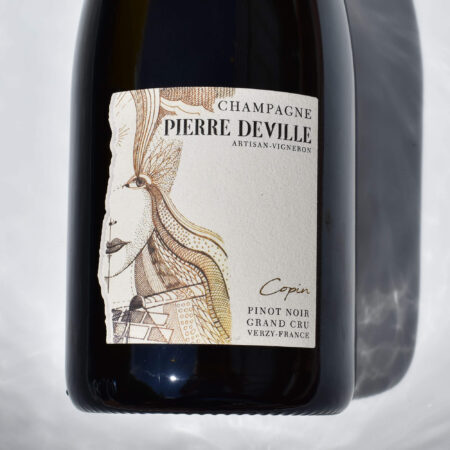
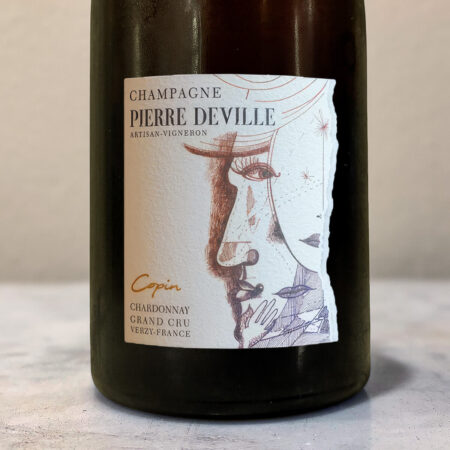
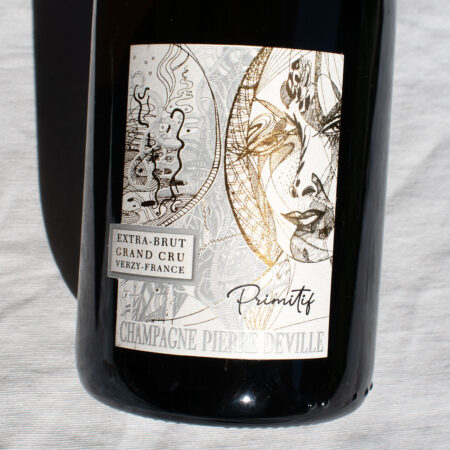
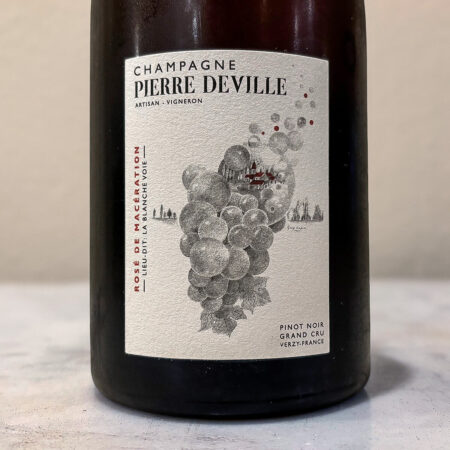
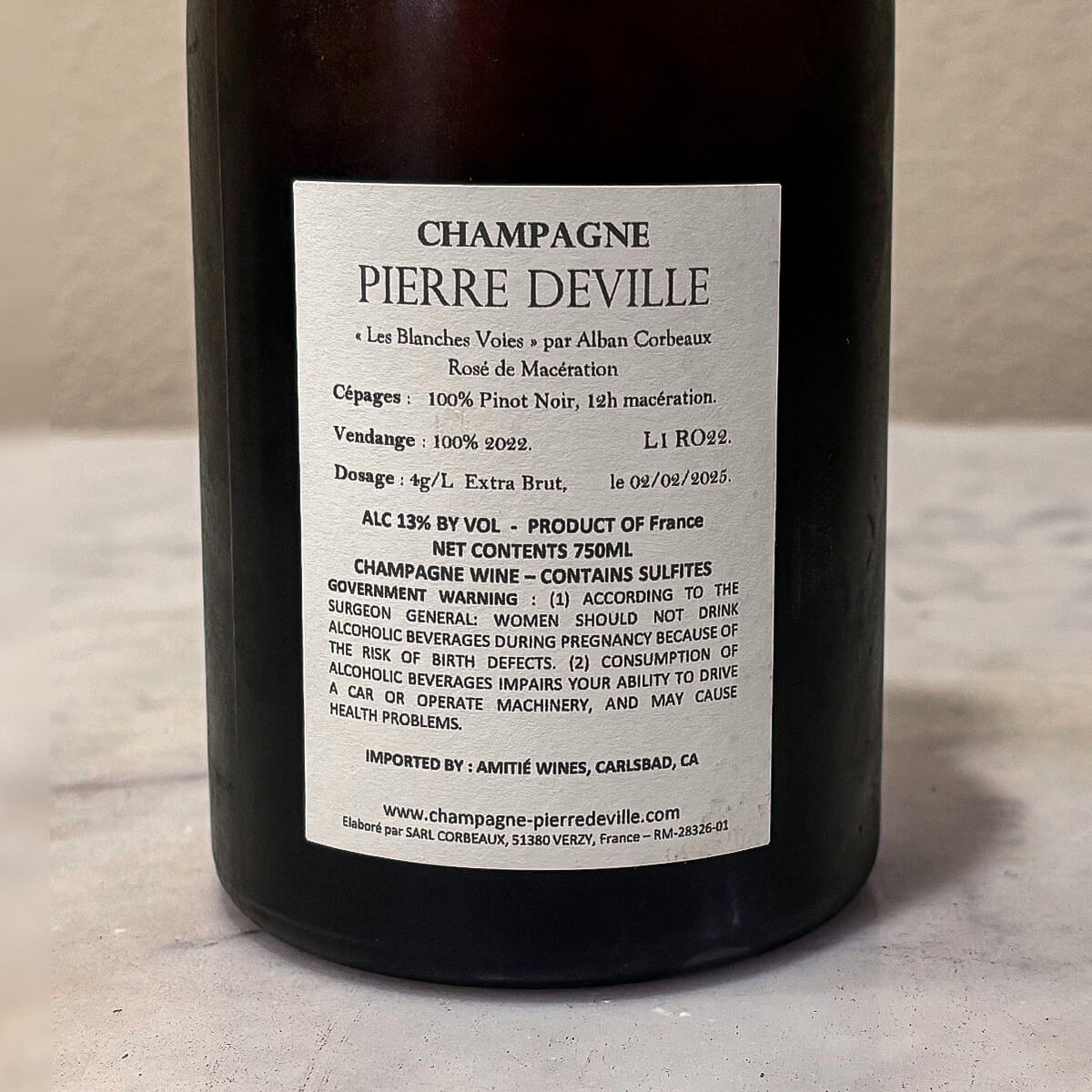
The Copin cuvées — a Blanc de Noirs from Pinot Noir and a Blanc de Blancs from Chardonnay — come from named lieu-dits of old vines and are produced in extremely limited quantities. The Primitif is the multi-vintage non-dosé blend that anchors the range. Les Copins 50/50 splits the two varieties equally. The Rosé de Macération is a still-rosé method — extended skin contact rather than the addition of still red wine — producing a wine of genuine depth and colour.
We have carried his wines since he began making them in this direction. The range is small by design and allocated accordingly.
From the Cellar to Your Door
Temperature control matters at every step, so we manage the whole route.
Shipped cold from France
The wine travels from the domaine cellars to our temperature-controlled warehouse in refrigerated containers and trucks, start to finish.
Stored in temperature controlled warehouses
Our main temperature-controlled bonded warehouse is in the Bay Area. A smaller temperature-controlled warehouse is in North County San Diego.
We ship when the weather is right
We wait for good shipping weather. After you order, we email you to arrange a shipping date that works for you.
Wine delivered to most states
We ship to most US states that allow wine shipping. Free shipping on 12 or more bottles.