The villages
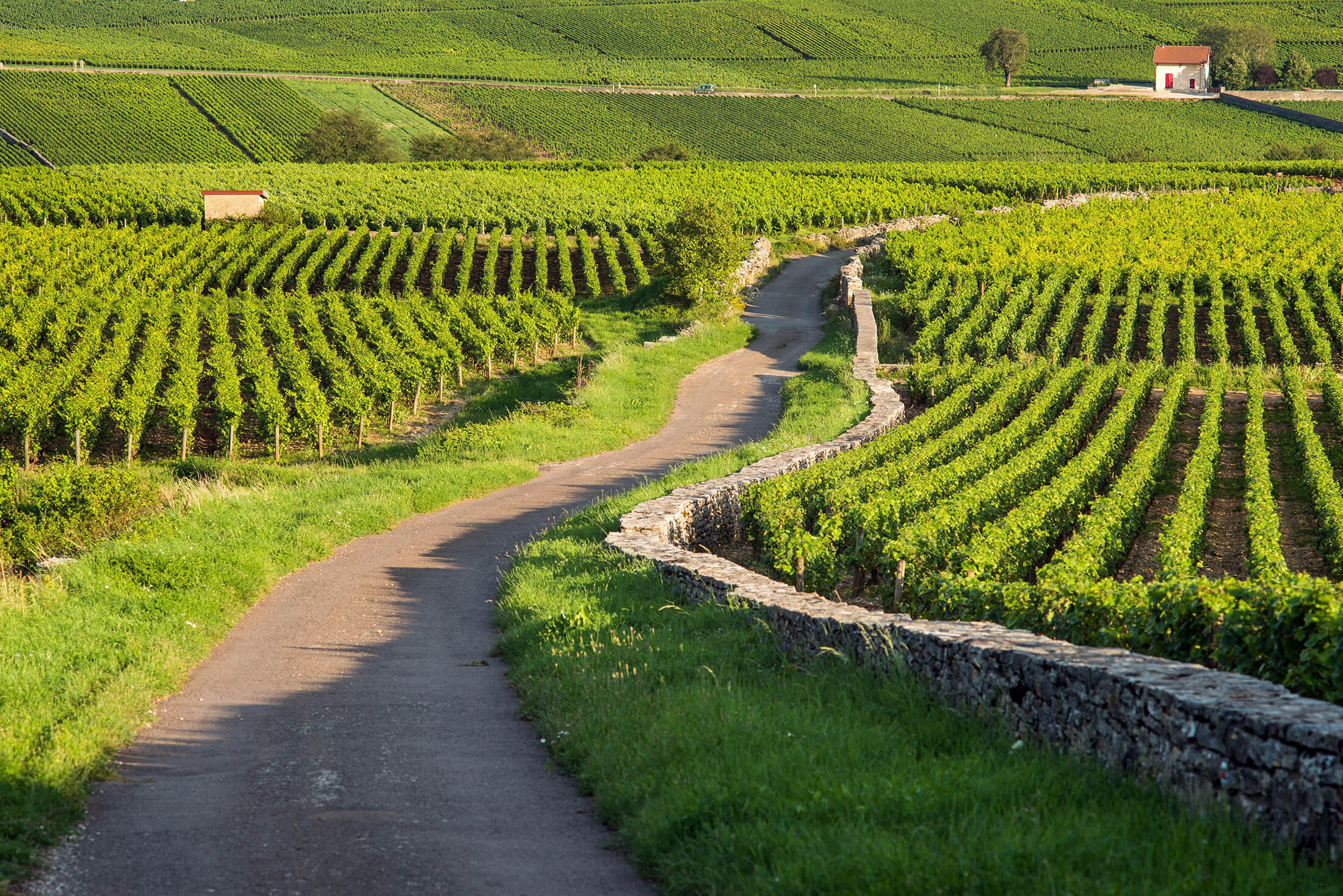
The Côte de Beaune runs from Ladoix-Serrigny in the north to Les Maranges in the south. Below are the villages whose wines appear on the Amitié list — not a comprehensive textbook account of every appellation, but the places we return to and the producers we work with.
Meursault
Where white Burgundy begins to make sense. The village sits at the point where the slope transitions from predominantly Pinot Noir to predominantly Chardonnay — and the soils shift accordingly, from the iron-rich limestone of Beaune and Pommard to the clay-limestone that gives Meursault its characteristic richness and texture.
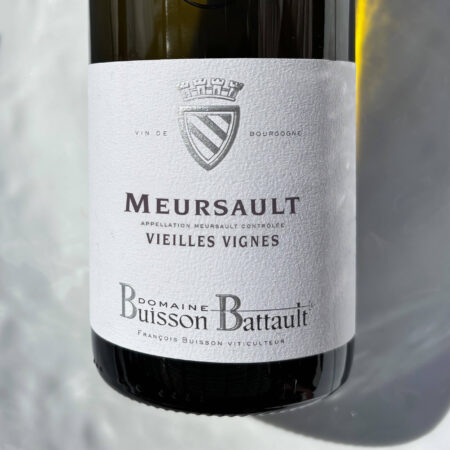
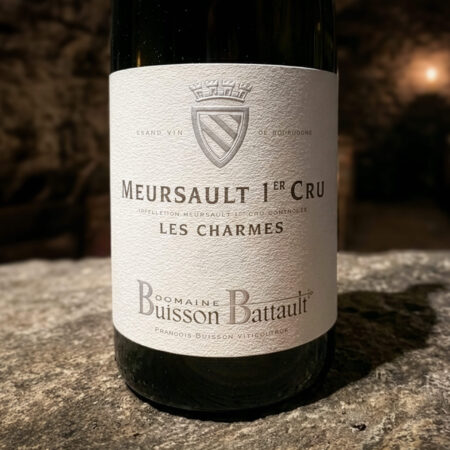
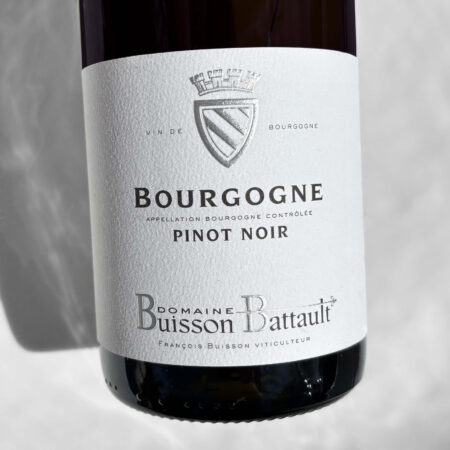
Domaine Buisson-Battault is the Meursault producer on the Amitié list — and one of the finest. François Buisson farms 8.5 hectares organically across 14 appellations, with Premier Cru parcels in Poruzots, Charmes, and Genevrières. The Vieilles Vignes — from vines planted in 1930 and 1932 — is the wine that defines what the domaine does and why it appears on the lists of Michelin-starred restaurants throughout California.
Beaune
The commercial heart of Burgundy — where every major négociant has a cellar and the Hospices de Beaune auction takes place every third Sunday of November. The appellation itself is often overlooked in favour of the more famous village names to the north and south, but Beaune has 42 Premier Cru vineyards and no Grand Cru — a historical anomaly given the quality of the best parcels.
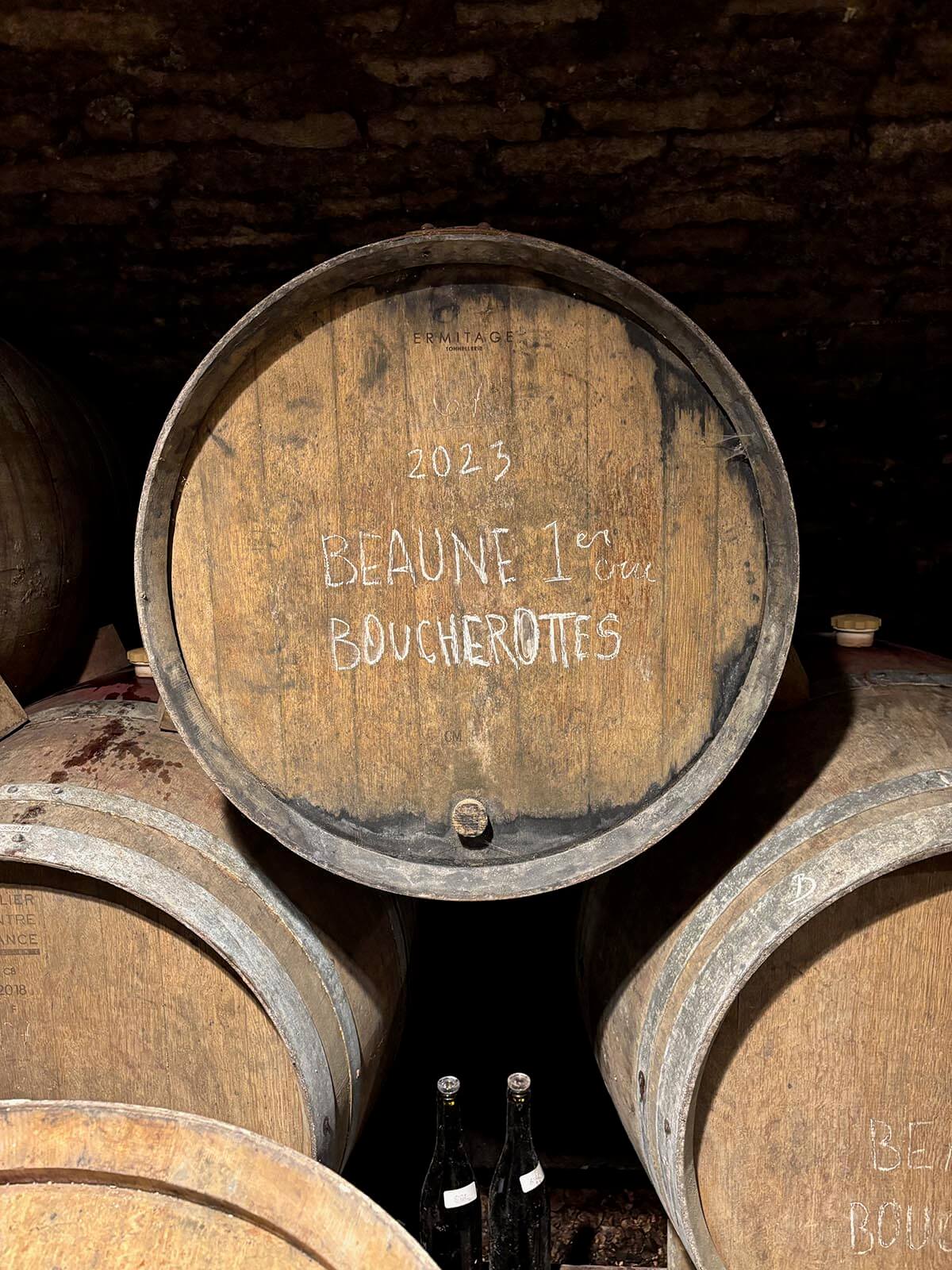
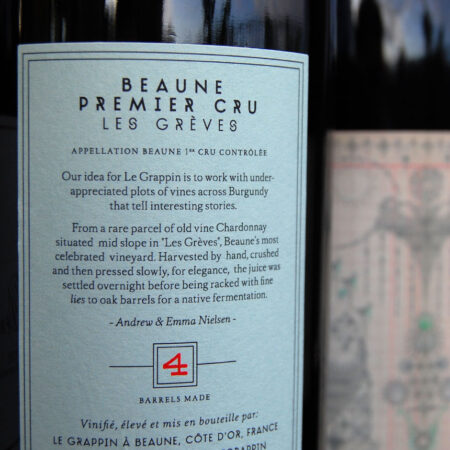
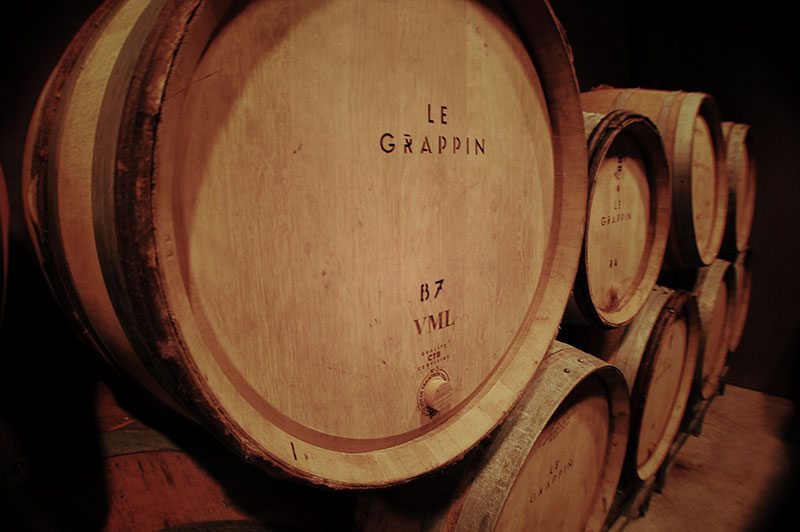
Le Grappin farms two Premier Crus here. Les Grèves is one of Beaune’s most celebrated climates — and one of the very few places in the appellation where Chardonnay is planted. Less than 1% of Les Grèves is white. Le Grappin is one of five producers who make a white Les Grèves. Boucherottes sits at the southern end of the Premier Cru strip, below Clos des Mouches and next to Pommard’s Les Épenots — a site that rewards the same attention as its more famous neighbours.
Aloxe-Corton
Aloxe-Corton sits at the northern end of the Côte de Beaune, at the base of the Corton hill — the only Grand Cru on the Côte de Beaune producing serious red wine. The village itself is small and often overlooked in favour of the Grand Cru above it, but the village appellation produces some of the most structured and age-worthy Pinot Noir on the Côte de Beaune — reflecting the iron-rich limestone soils of the Corton hill rather than the softer, more generous styles of the villages to the south.
This is the village wine, grown on the lower slopes below the Grand Cru. The same iron-rich limestone soils, the same east-facing exposure — without the Grand Cru classification or price. More structured and firm than Beaune or Pernand-Vergelesses, closer in feel to the powerful styles of the Côte de Nuits than the elegant whites the Côte de Beaune is better known for.
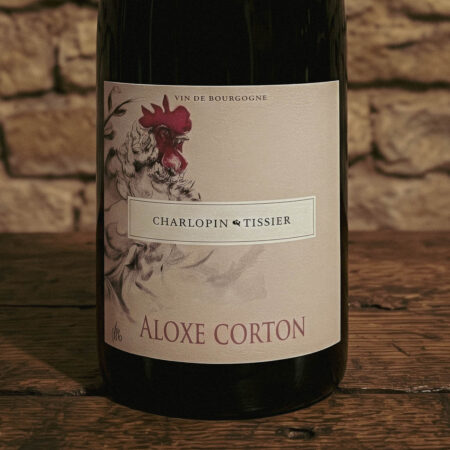
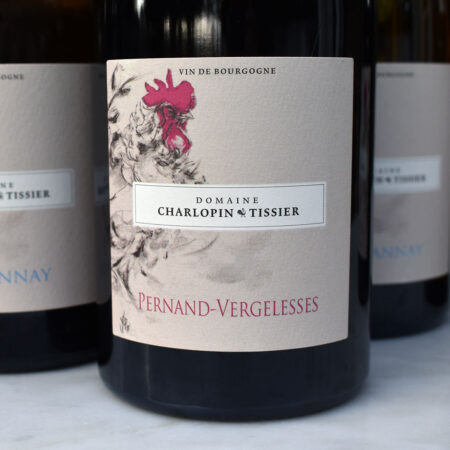
Domaine Charlopin-Tissier farms a village Aloxe-Corton parcel — organic farming, fully destemmed, cold maceration, no filtration. The same meticulous approach Yann Charlopin applies from his Marsannay wines through to the Clos Vougeot Grand Cru.
Pommard
The most tannic and full-bodied reds of the Côte de Beaune. Pommard’s reputation was made in the 19th century partly because the name was easy for foreigners to pronounce — which explains its commercial success but not its quality, which is genuine in the best parcels. The Premier Crus Les Épenots and Les Rugiens are the most celebrated sites.
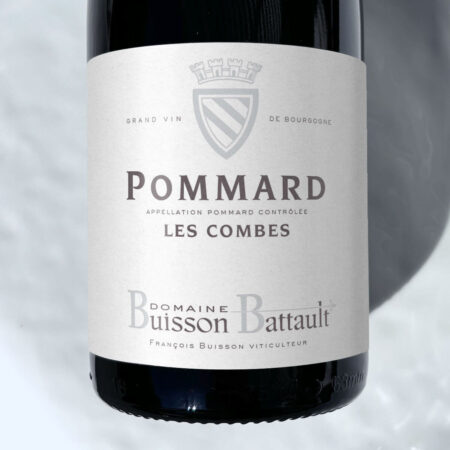
François Buisson of Domaine Buisson-Battault makes one red wine — a Pommard from Les Combes, a lieu-dit that borders Premier Cru land on a single vineyard road. His maternal family is from Pommard. This is their wine.
Pernand-Vergelesses
A village most people have never heard of that sits directly across the hill from Corton-Charlemagne — the most celebrated white Grand Cru in the Côte de Beaune. The Premier Cru Sous Frétille, farmed by Charlopin-Tissier, shares the same elevated ridge, the same southeast aspect, and the same fundamental soil structure as its famous neighbor. The classification difference is historical rather than terroir-based.
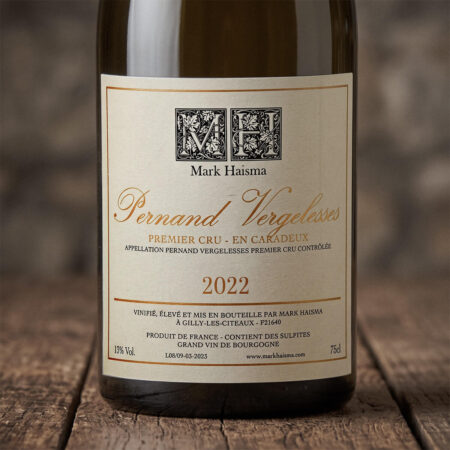
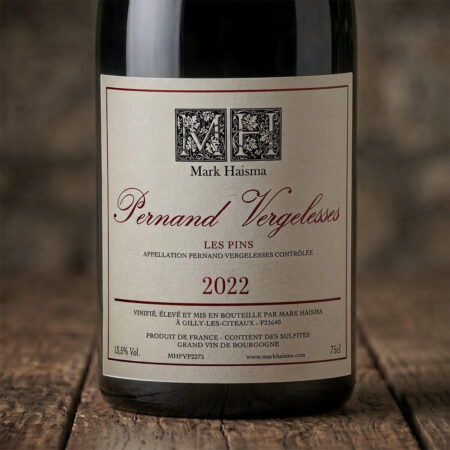
Mark Haisma also farms here — his Premier Cru En Caradeux Blanc and Les Pins Rouge are two of the most interesting wines in the Amitié range at their respective price points.
Savigny-lès-Beaune
North of Beaune, tucked into a valley where two streams meet. Often overlooked in favour of its more celebrated neighbours — which is exactly why it appeals to producers like Le Grappin. The lieu-dit Aux Fournaux sits at the junction of Pernand-Vergelesses, Aloxe-Corton, and Savigny — three appellations meeting at a single parcel of 60-year-old vines. The three-appellation complexity at a village price is one of the more interesting value propositions on the Côte de Beaune.
Saint-Romain
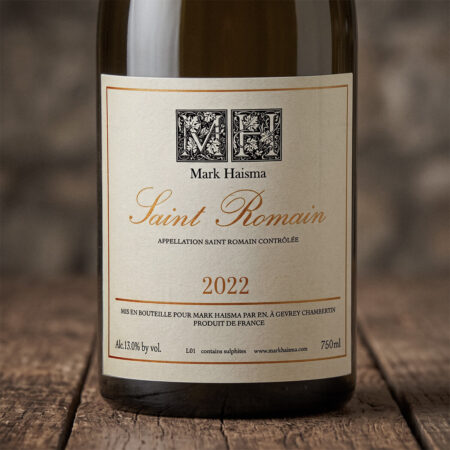
A small village tucked into a valley between Volnay and Meursault — one of the most scenically dramatic settings on the Côte de Beaune, with the village sitting beneath a ruined medieval castle. Mark Haisma farms the lieu-dit Le Jarron here — a white wine that consistently overperforms at its price.
Ladoix-Serrigny
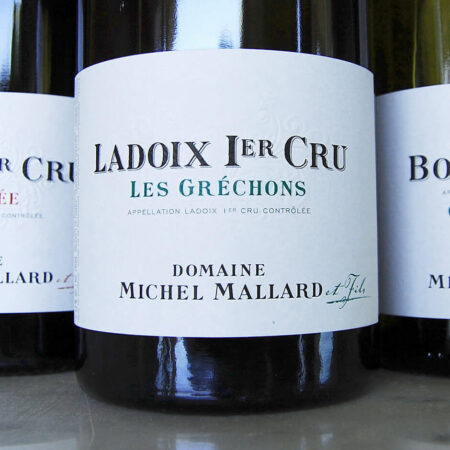
The northernmost village of the Côte de Beaune, rarely seen on wine lists outside Burgundy itself. Domaine Michel Mallard et Fils has farmed here since 1885 — their Premier Cru Les Grechons is one of the most consistently underappreciated white wines on the Amitié list. The village sits at the foot of the Corton hill, where the greatest red Grand Cru in the Côte de Beaune meets the southern tip of the Côte de Nuits.
Puligny-Montrachet and Chassagne-Montrachet
Home to Montrachet and the most celebrated white Burgundy in the world. We carry wines from these villages when the opportunity presents itself — email jason.berry@amitiewines.com for current availability.
Bourgogne and Aligoté
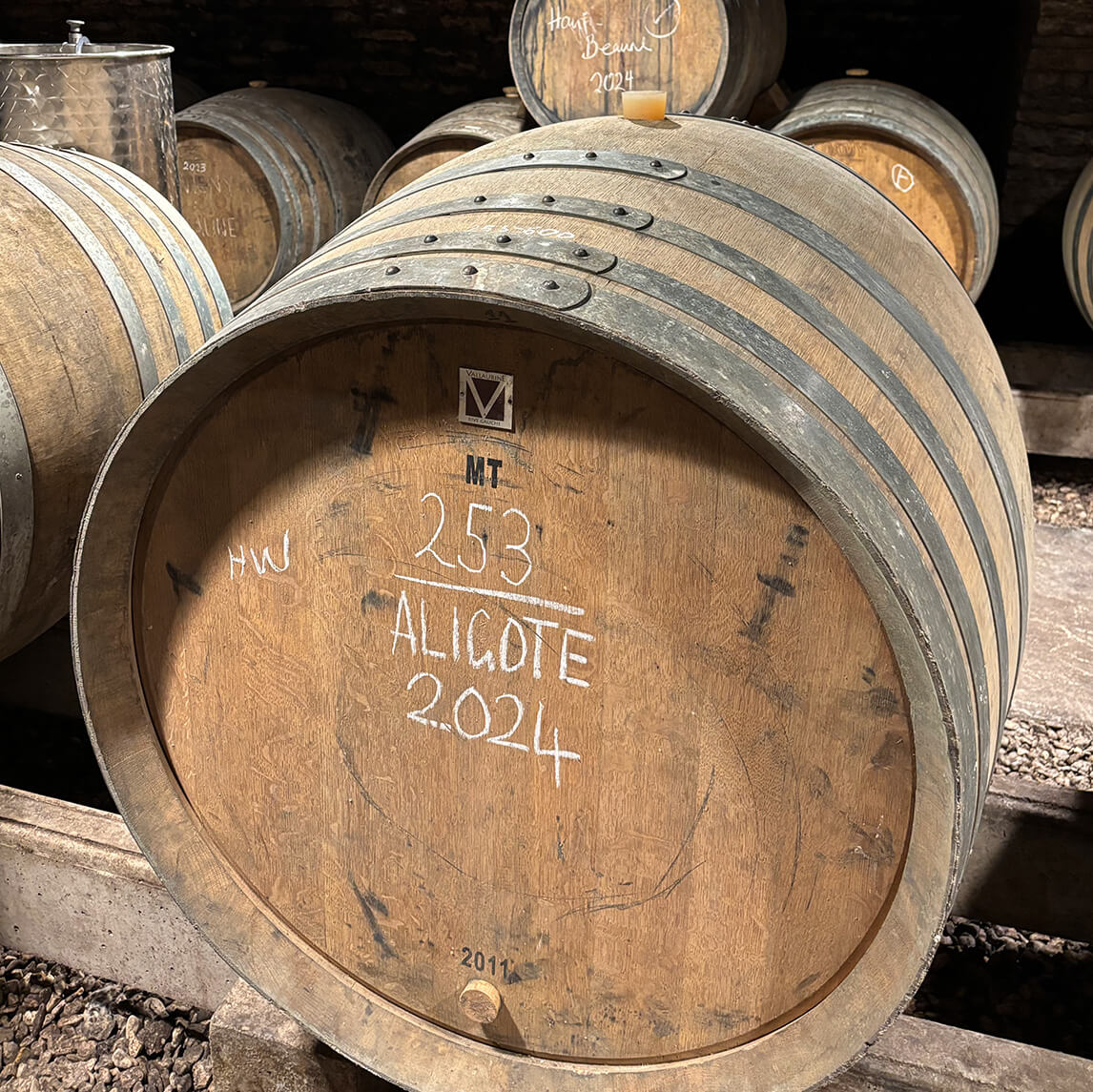
Not every wine from a serious Côte de Beaune domaine carries a village or Premier Cru designation — and some of the most compelling value on the Amitié list sits at the Bourgogne level. Domaine Buisson-Battault’s Bourgogne Rouge comes from three specific Meursault lieu-dits — Les Vaux, Sous la Velle, and Montaine — the same land farmed to the same organic standard as the Premier Crus above it. The Bourgogne Blanc Côte d’Or draws from four vine plantings in Les Clous Perrons and Les Magnys. The Aligoté from Magny and Sous le Chemin — 40 to 80-year-old vines — is among the finest expressions of the grape on the Amitié list.
At the Bourgogne level a buyer gets Meursault terroir at a fraction of the Premier Cru price. The difference is appellation classification, not farming or winemaking philosophy.
Hautes Côtes de Beaune
Directly behind the Côte de Beaune slope, on the higher plateau and valleys above the famous villages, sits the Hautes-Côtes de Beaune — a separate appellation covering a wide area of organically farmed vineyards at greater elevation. The wines are lighter and more aromatic than their neighbours below, with a freshness and precision that reflects the cooler altitude.
Le Grappin’s Hautes Côtes de Beaune Rouge ‘Aux Grandes Raies’ comes from the lieu-dit of the same name in Meloisey — directly above Beaune and the Premier Cru slope. Featured by Eric Asimov in The New York Times. 40-year-old vines, whole cluster fermentation, 15 barrels made.
The Du Grappin Bourgogne Aligoté comes from the lieu-dit of Mainbey — high up in the Hautes-Côtes de Beaune behind Pernand-Vergelesses in the commune of Fussey. Old vine Aligoté trained on high wires, foot-crushed, basket-pressed, gravity drained to old large-format barrels. Also featured by Eric Asimov in The New York Times.
Understanding the classification
Burgundy’s appellation system can be confusing at first. Here’s the hierarchy specific to the Côte de Beaune:
Bourgogne AOC — the broadest appellation, covering all of Burgundy. A Bourgogne Blanc from Meursault fruit is still technically a Bourgogne, but in the hands of a producer like Buisson-Battault it reflects the terroir of the village.
Village AOC — wines labelled with the village name: Meursault, Beaune, Pommard, Savigny-lès-Beaune. This is where most of the Amitié range sits.
Premier Cru — the 1er Cru designation appears on wines from specific named vineyards (climates) within a village that have been classified as superior. Meursault Poruzots, Beaune Boucherottes, Pernand-Vergelesses Sous Frétille — all Premier Crus.
Grand Cru — the highest classification, reserved for a small number of exceptional vineyards with their own AOC. In the Côte de Beaune: Corton and Corton-Charlemagne (Aloxe-Corton/Pernand-Vergelesses), and the Montrachet group in the south. Beaune has no Grand Crus — which is one of wine’s persistent injustices.