Domaine Buisson-Battault
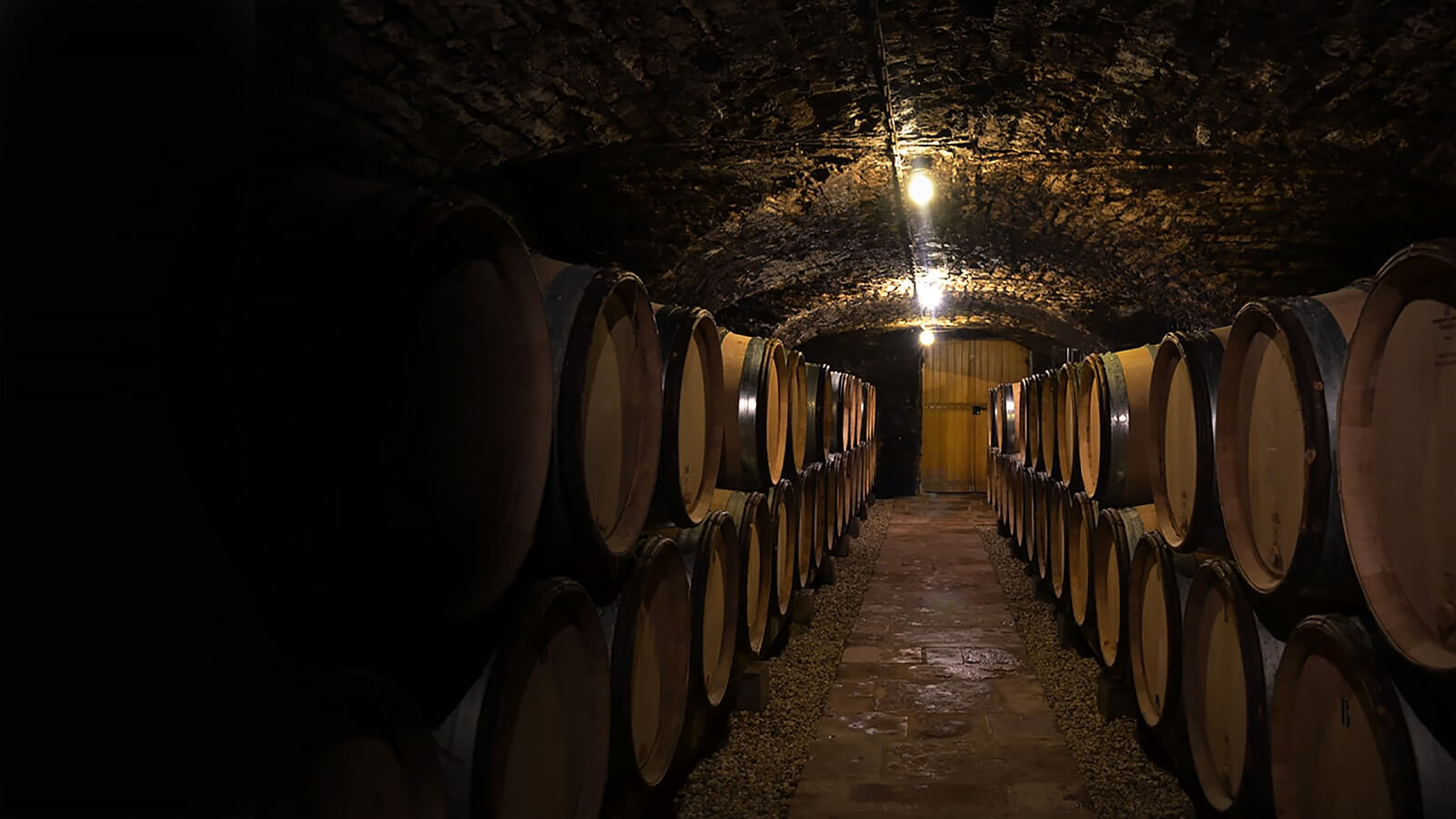
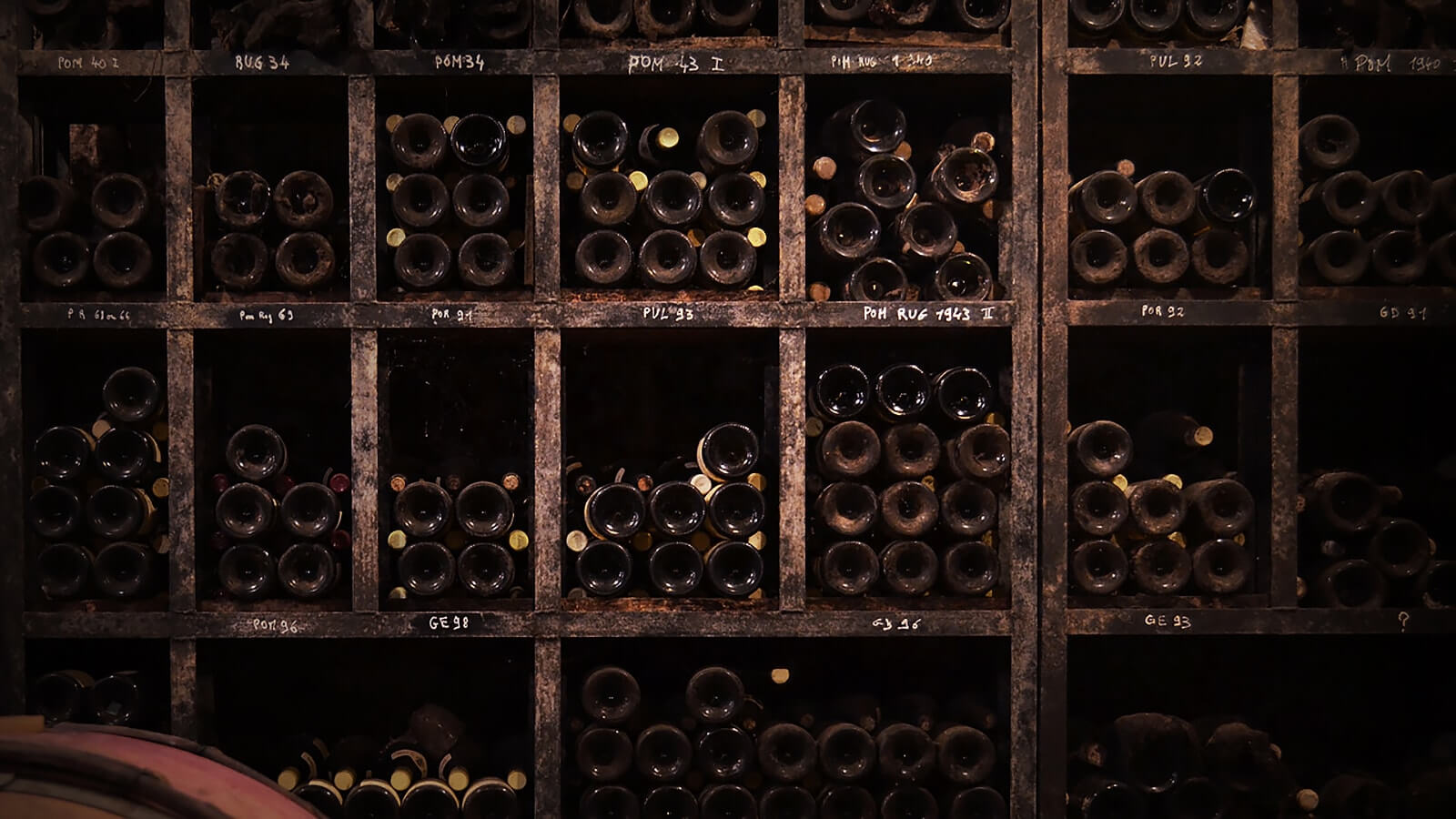
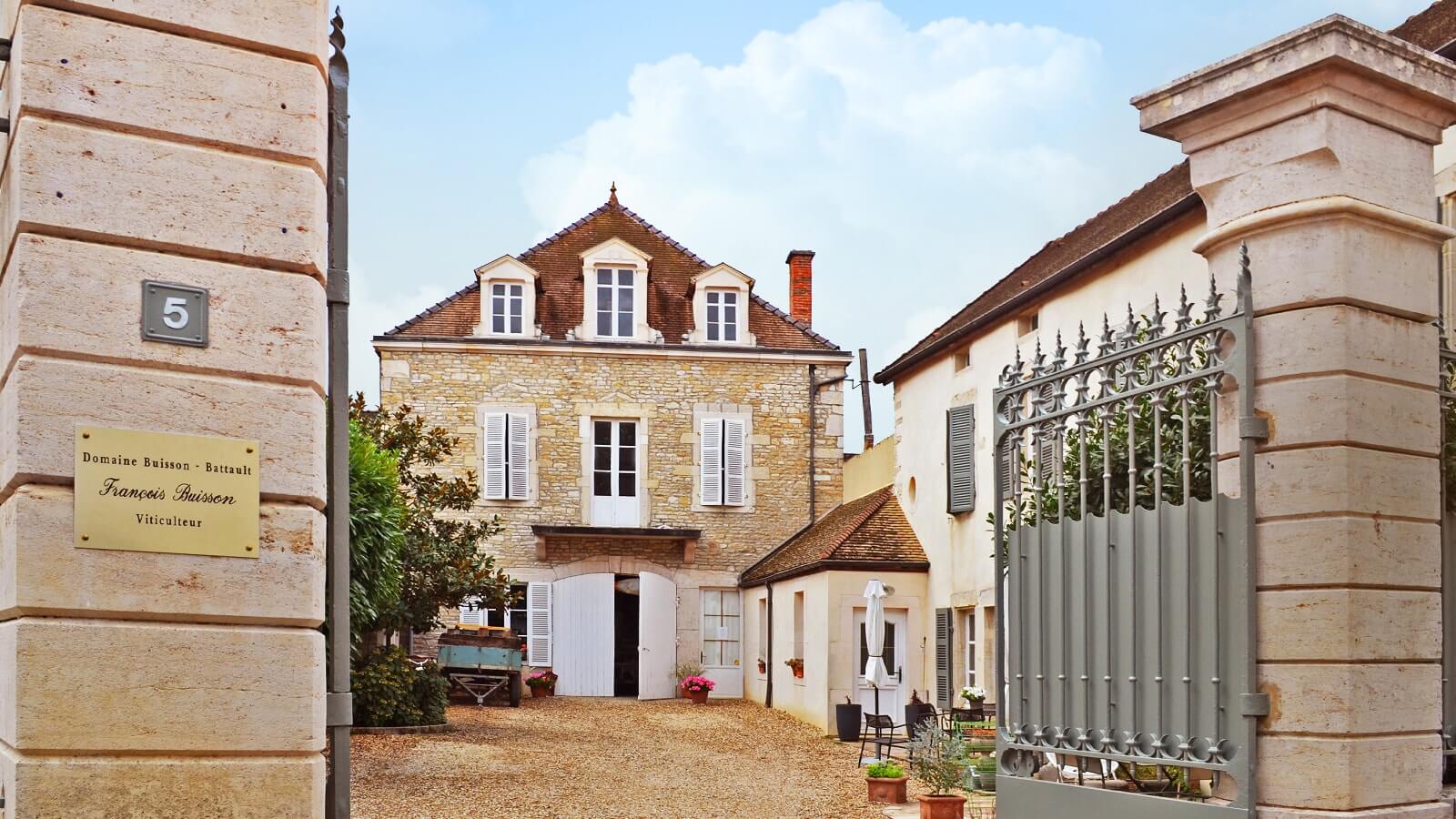
Domaine Buisson-Battault is a family estate in Meursault, now in its fifth generation. André Buisson worked the vines from 1945, and his youngest son, François, has managed the estate since 1991. Since 2005 the cellars have been in the former home of François’s maternal grandparents, a mustard factory that operated from 1870 to 1939.
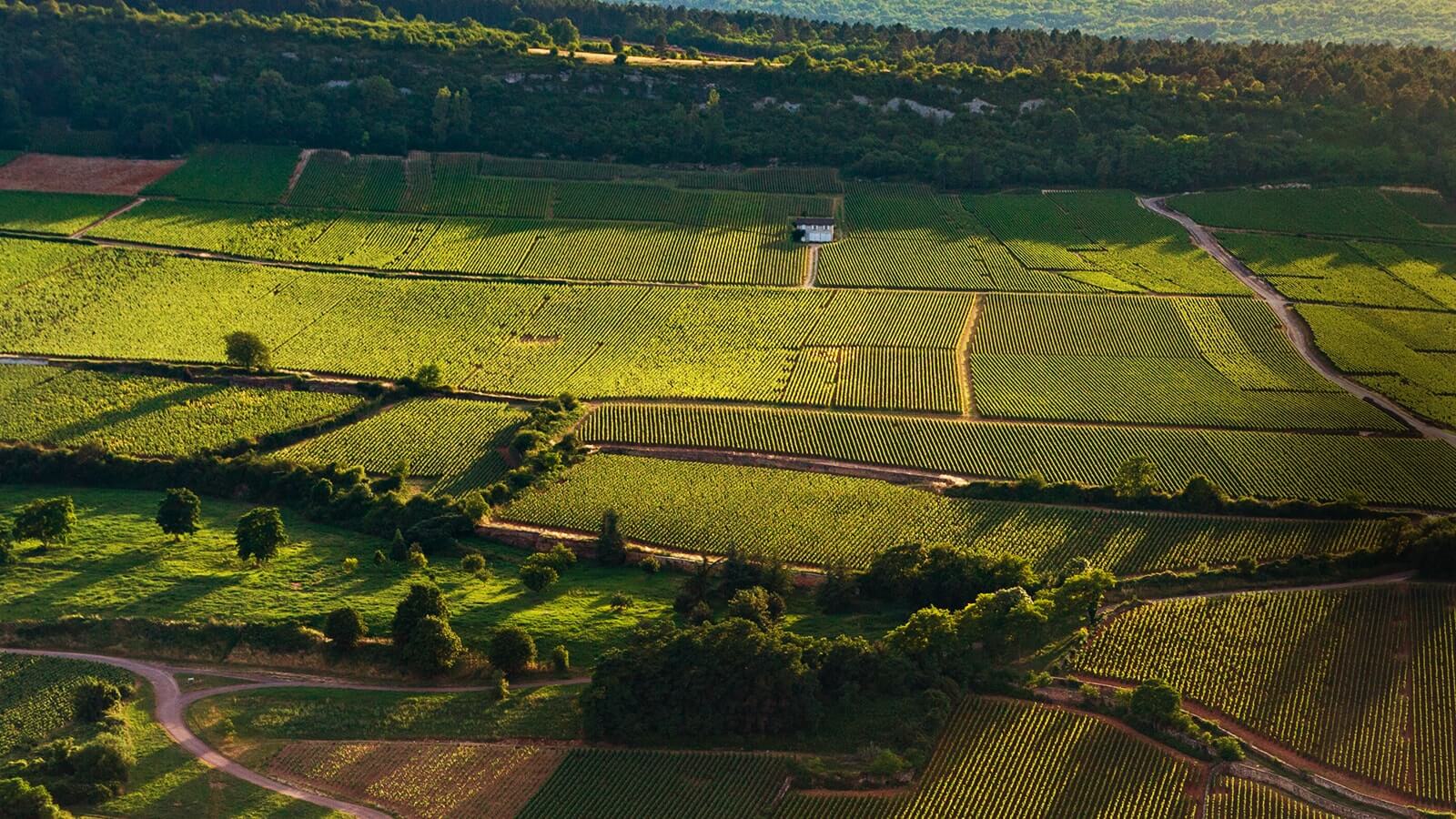
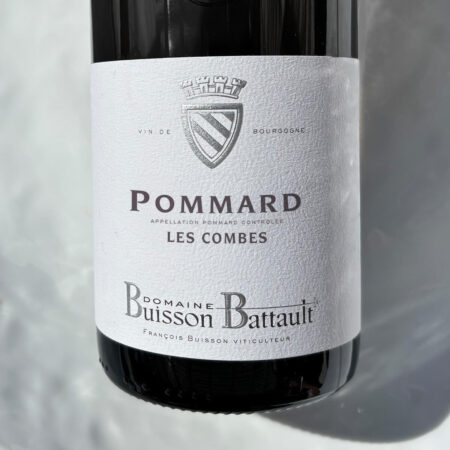
The estate farms 8 hectares across four villages: Meursault, Puligny-Montrachet, Pommard, and Beaune. In Meursault, François makes Premier Cru wine from four vineyards: Charmes, Goutte d’Or, Genevrières, and Poruzots. We also carry the Pommard ‘Les Combes’ and the Bourgogne Rouge ‘Côte d’Or’.
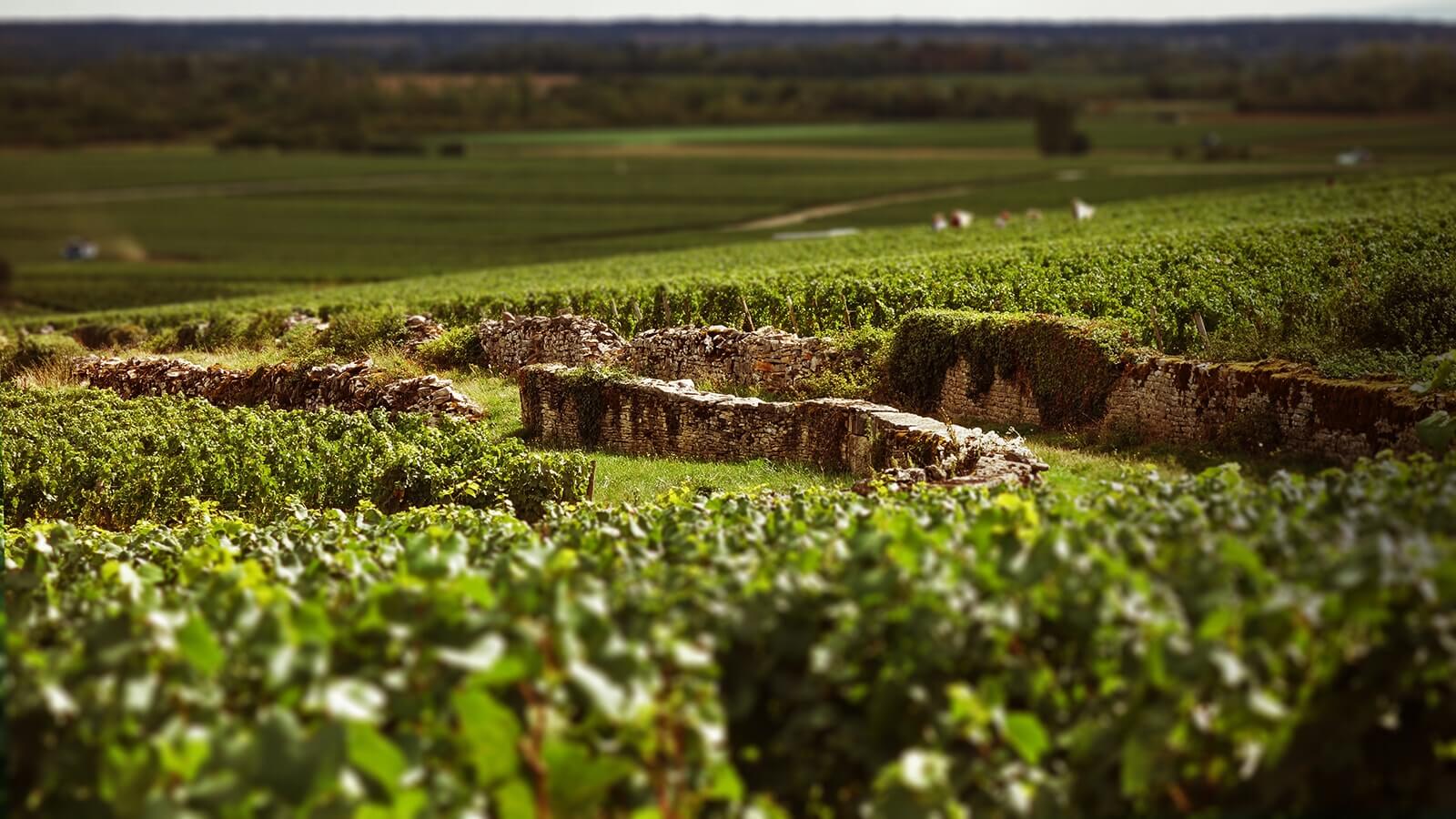
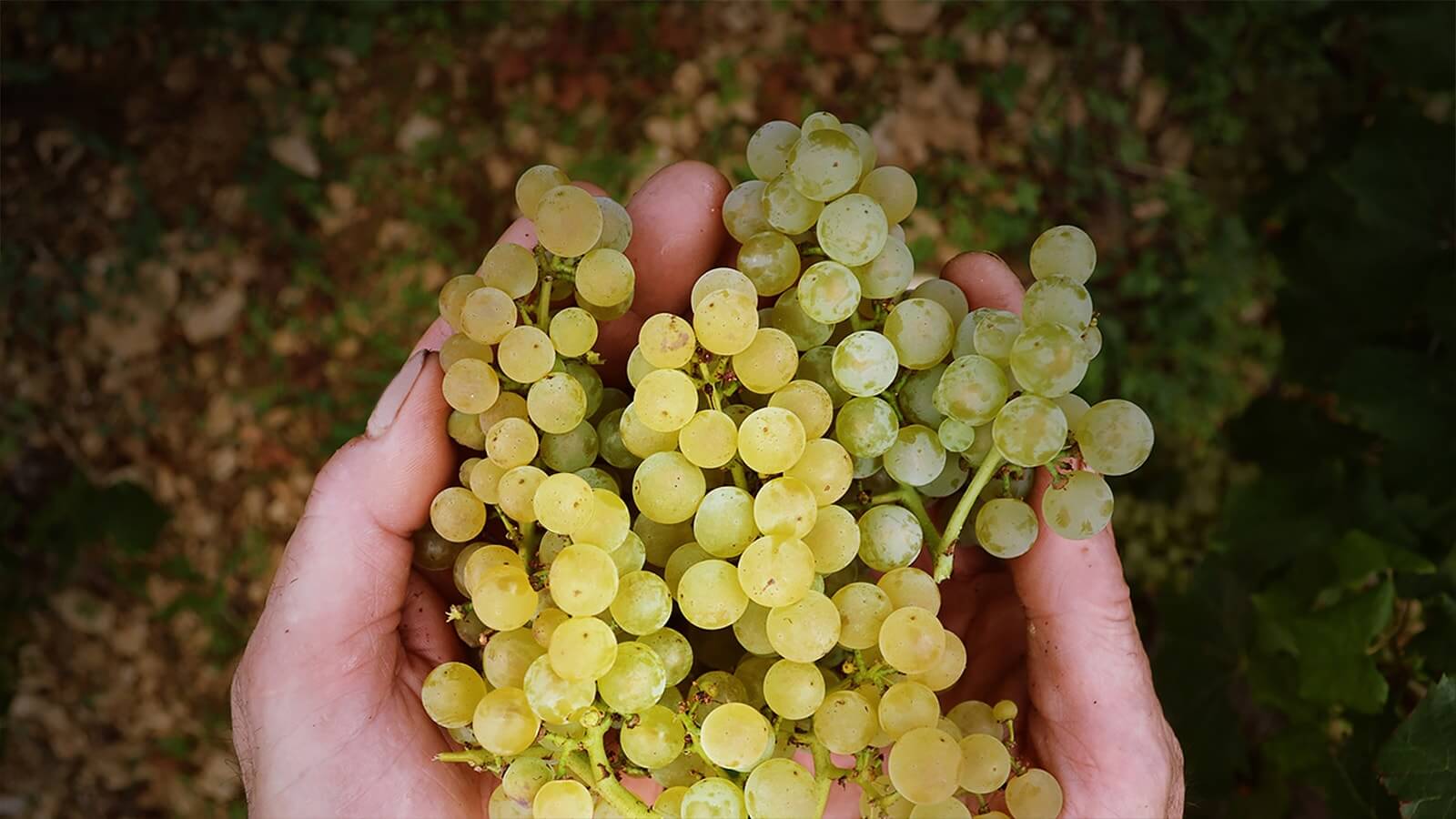
François pays close attention to the soil. He ploughs all of his vineyards to preserve their microbial life, and he favors organic fertilizers such as humus. He prunes each vine according to its vigor, using either the Royat or Guyot method, and he chooses the harvest date for the best balance in the juice. The grapes are picked by hand, so the bunches reach the press as intact as possible. The wines age on their lees for 12 months in oak barrels, 20% of them new, and the top wines spend another six months in tank before bottling.

The entrance to Domaine Buisson-Battault in Meursault. Photo: Domaine Buisson-Battault.
Meursault we carry
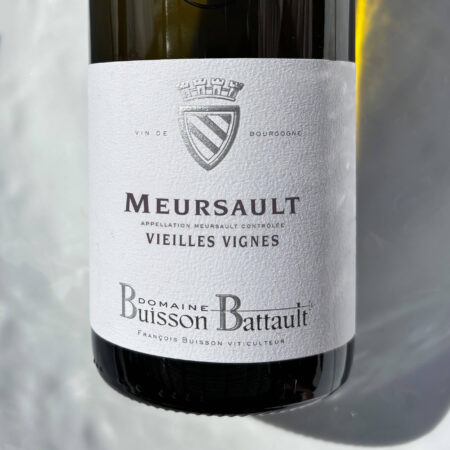
This is the village wine, and the vines are the story. It comes from two lieux-dits, Les Malpoiriers and Les Pellans, on clay and limestone soils. The vines were planted in 1930 and 1932, which made them more than 90 years old at the 2022 harvest. The grapes are picked by hand, and the wine spends 12 months in barrel, 20% new, then six months on fine lees in tank, without bâtonnage.
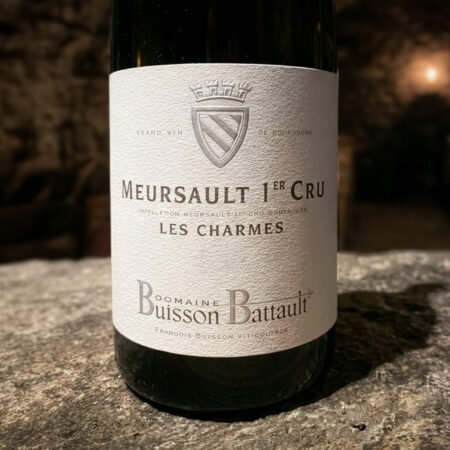
Three plots across Les Charmes Dessus and Dessous, on deeper clay soils. The vines were planted in 1964, 1967, and 2007. The wine spends 12 months in barrel, 20% new, and six months on fine lees in tank.
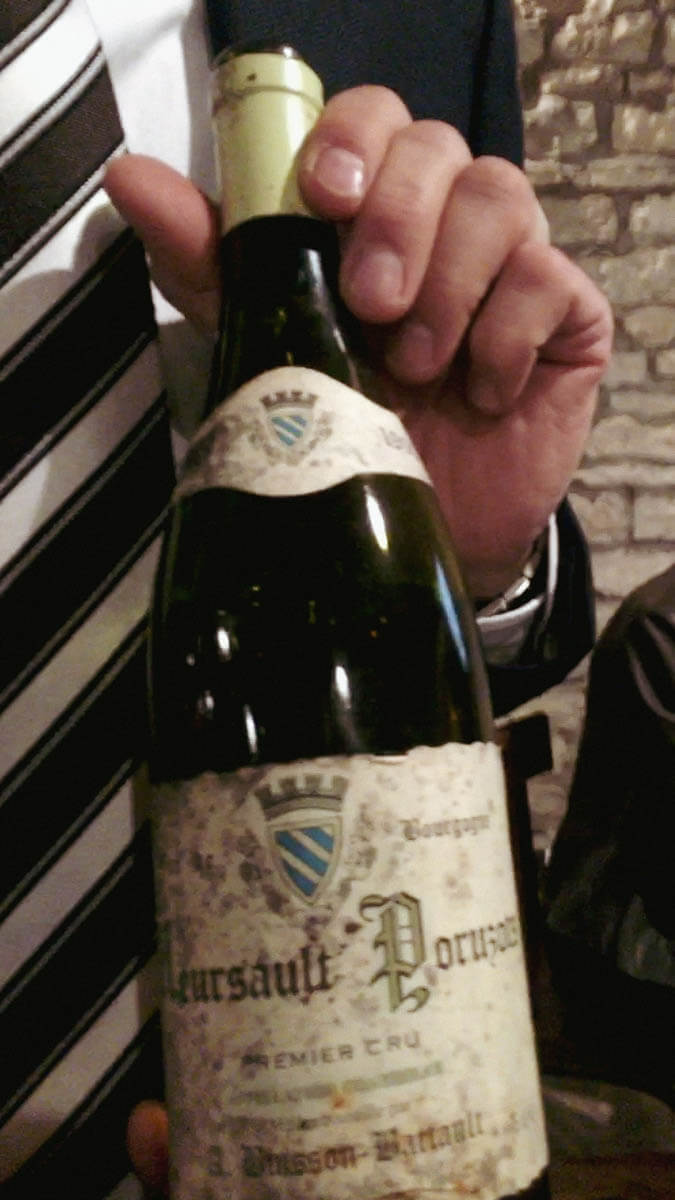
From Porusot le Dessus, one of Meursault’s most distinctive Premier Cru sites, with stony, well-drained limestone soils. The vines were 36 years old at the 2022 harvest. The wine spends 12 months in barrel, 20% new, and six months on fine lees in tank, without bâtonnage.
Genevrières is one of the best-known Premier Crus in Meursault, often called its “Queen.” Domaine Buisson-Battault farms 0.63 hectares in Genevrières Dessus, on the mid-slope above the village, on clay and limestone soils. The vines were planted in 1950, 1988, and 1996. The grapes are picked by hand and fermented with native yeasts, and the wine spends 12 months on its lees in barrel, 20% new, then six months in tank, without bâtonnage. Sold out.
Goutte d’Or means “drop of gold.” Buisson-Battault’s parcel has clay and limestone soils, with vines planted in 1955, 1968, 1974, and 2005. The grapes are picked by hand, and the wine spends 12 months in barrel, 20% new, then six months in tank. Sold out.
Red from a white village
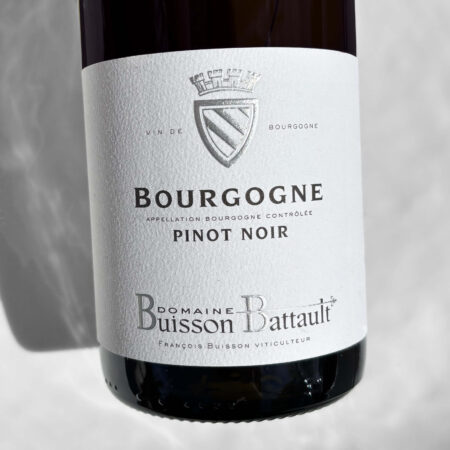
Meursault is known for white wine, but François also makes red. His Bourgogne Rouge ‘Côte d’Or’ is Pinot Noir from three Meursault lieux-dits: Les Vaux, Sous la Velle, and Montaine. The vines range from 17 to 50 years old. The grapes are picked by hand, sorted by hand, and destemmed, then vatted for about two weeks and aged one year in French oak, 10% new, and two months in tank. We also import his Pommard ‘Les Combes’.
Where to start
Start with the Vieilles Vignes. If you want to compare vineyards, pick two Premier Crus, such as ‘Les Charmes’ and ‘Poruzots’, and open them together. Our Where to Start page has more recommendations.
Questions
Is Meursault red or white?
Mostly white, from Chardonnay. A small amount of Pinot Noir is made.
Does Meursault have a Grand Cru?
No. The Premier Crus are its top vineyards.
What is the Paulée de Meursault?
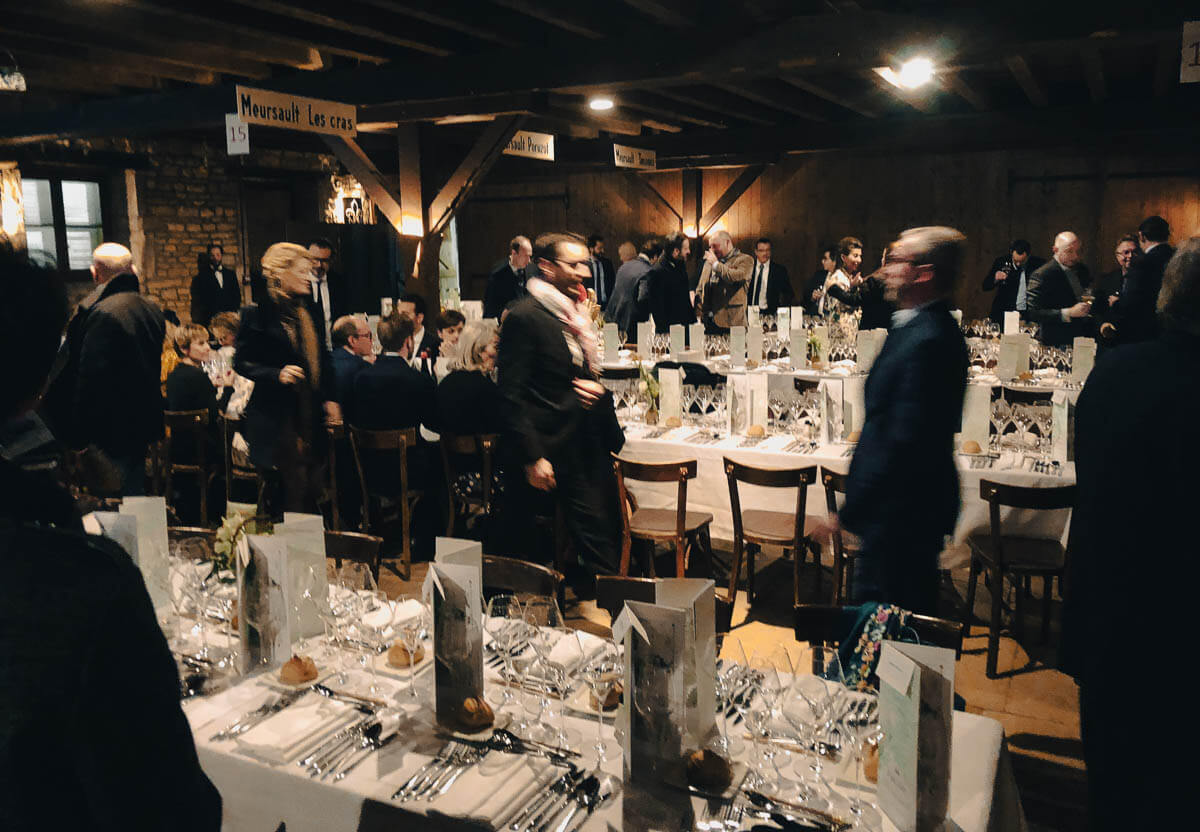
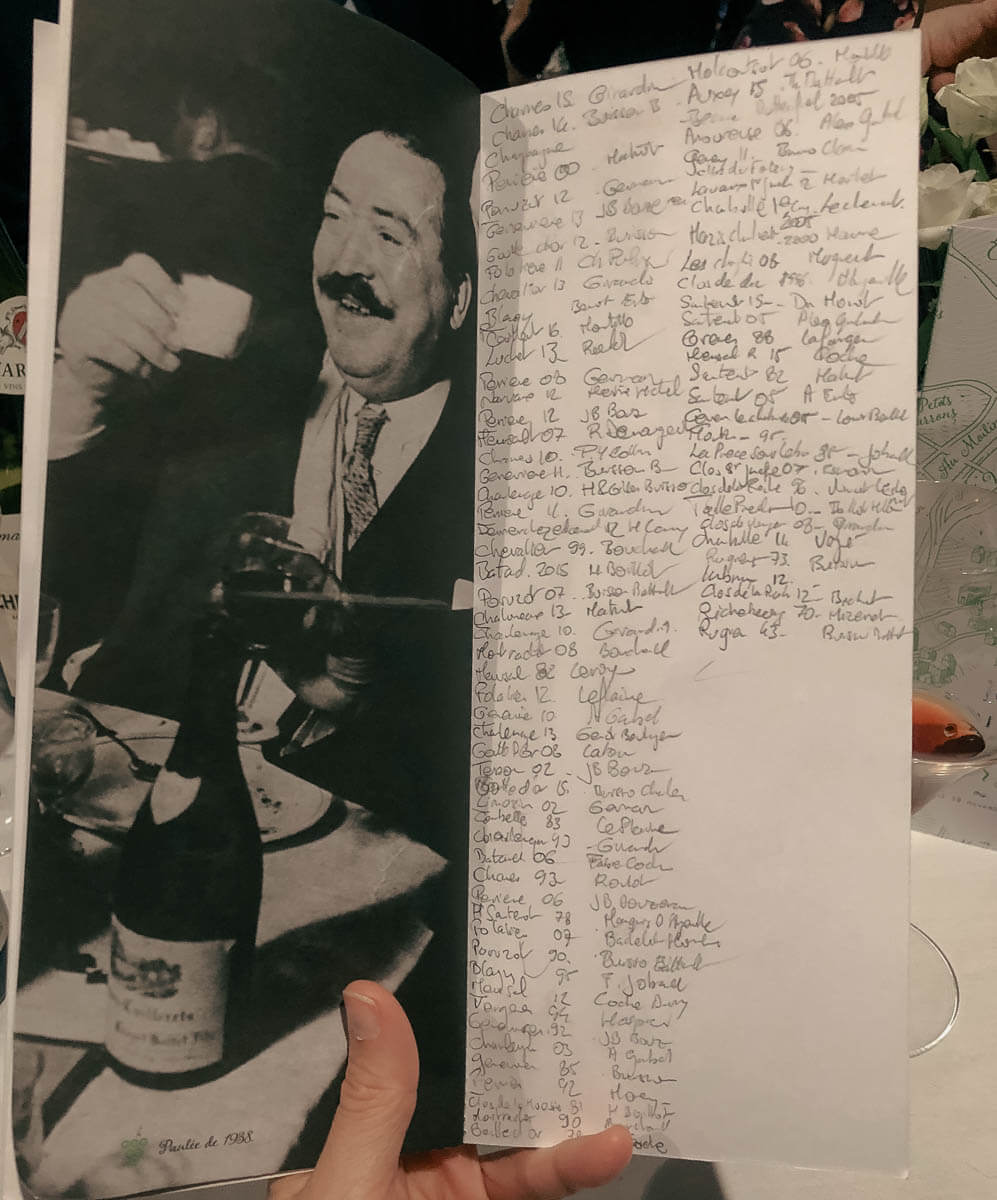
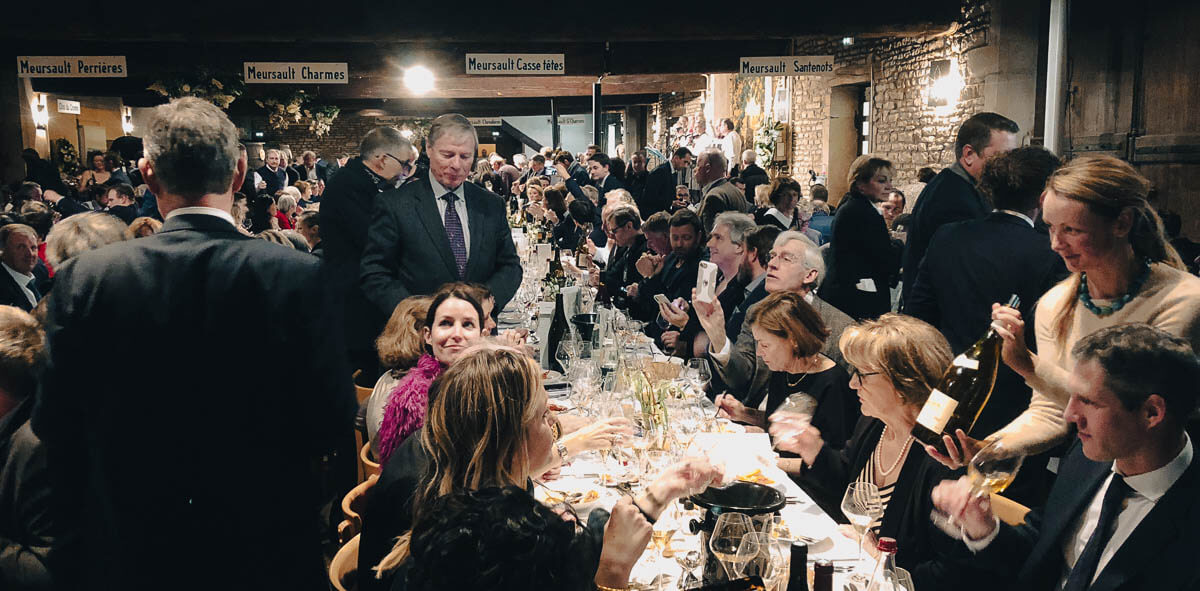
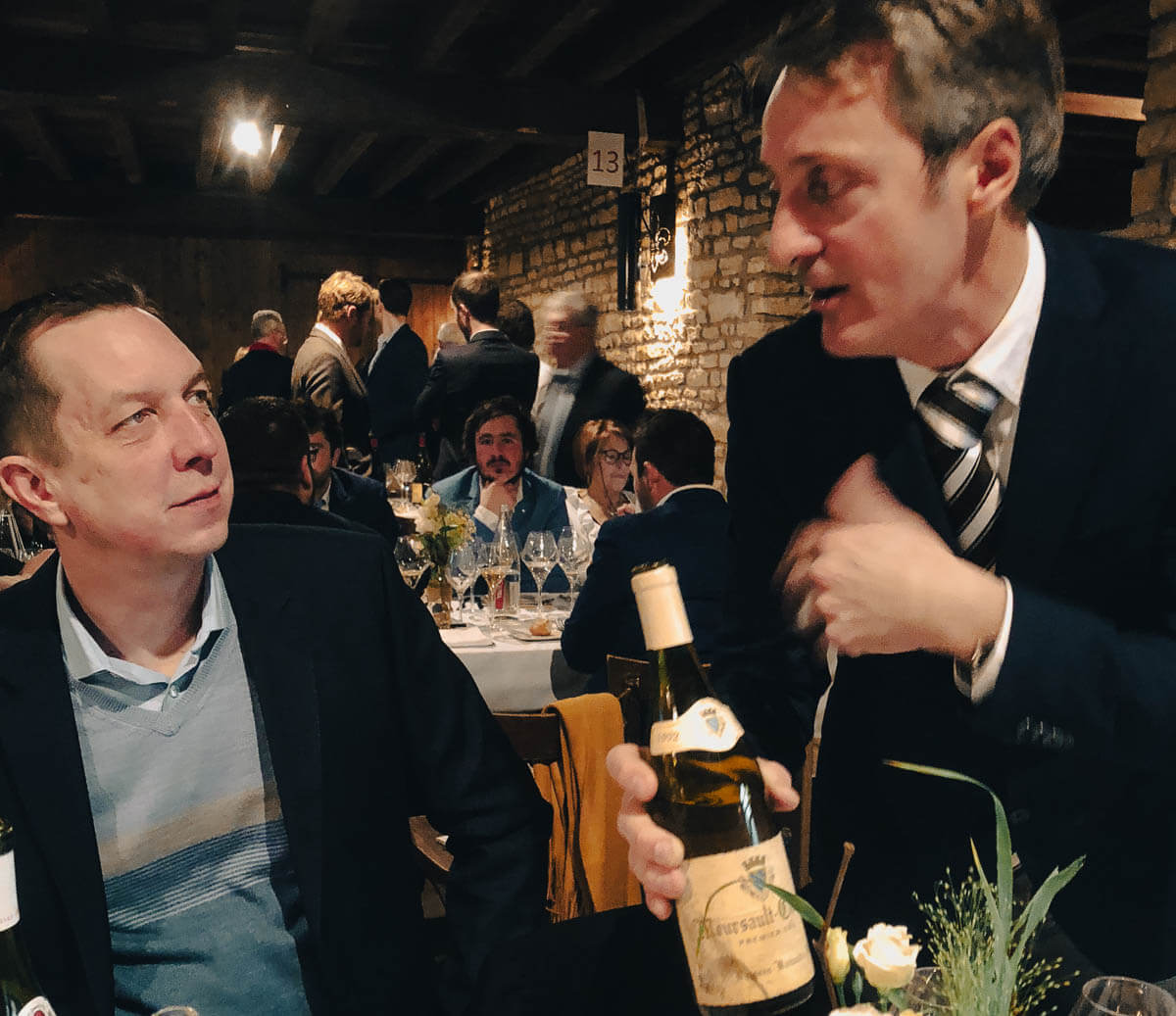
It is a dinner with all the winemakers of the village and their guests held in the Château de Meursault on the Monday of the third weekend of November, closing the Trois Glorieuses. The winemakers share older and interesting bottles with their friends and neighbors at the long tables throughout the hall. There is traditional music and singing.