The villages
The villages below are those whose wines appear on the Amitié list — not a textbook account of every appellation but the places we return to and the producers we work with.
Gevrey-Chambertin
Gevrey-Chambertin
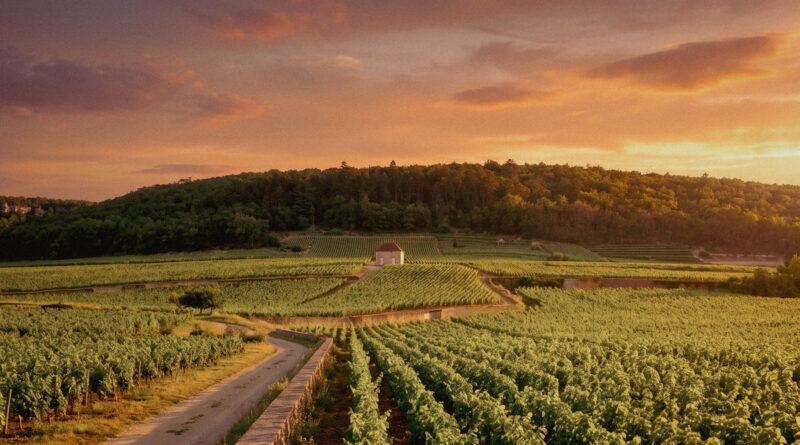
The largest appellation in the Côte de Nuits and home to nine Grand Crus — more than any other village in Burgundy. Chambertin and Chambertin-Clos de Bèze sit at the top, flanked by Latricières, Mazoyères, Charmes, Chapelle, Griotte, Ruchottes, and Mazis. Below the Grand Cru strip, 26 Premier Cru vineyards. Below those, a wide village appellation that ranges from extraordinary to ordinary depending on the producer.
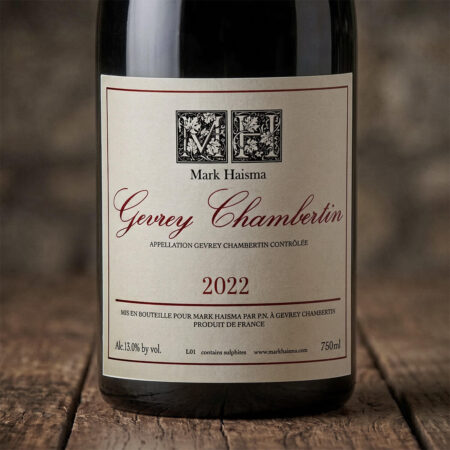
Mark Haisma works in Gevrey-Chambertin from a cellar in the village — his village wine blends three parcels with 50–60% whole-cluster fermentation. Bright, precise, structured — the kind of village Gevrey that actually tastes like Gevrey. His Premier Cru Fonteny is from a single parcel between Lavaut Saint-Jacques and Clos Saint-Jacques, two of the most celebrated Premier Crus in the appellation. Named one of Tim Atkin’s Top 25 Burgundy Producers to Watch.
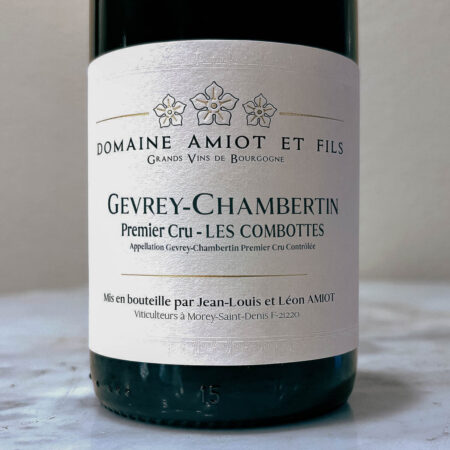
Domaine Amiot et Fils farms the Premier Cru Les Combottes — a climat that borders Clos de la Roche on three sides, effectively surrounded by Grand Cru land on its upper and lateral edges. Léon Amiot, the eleventh generation of the family in Morey-Saint-Denis, farms it with the same precision he brings to the Grand Cru across the boundary.
Morey-Saint-Denis

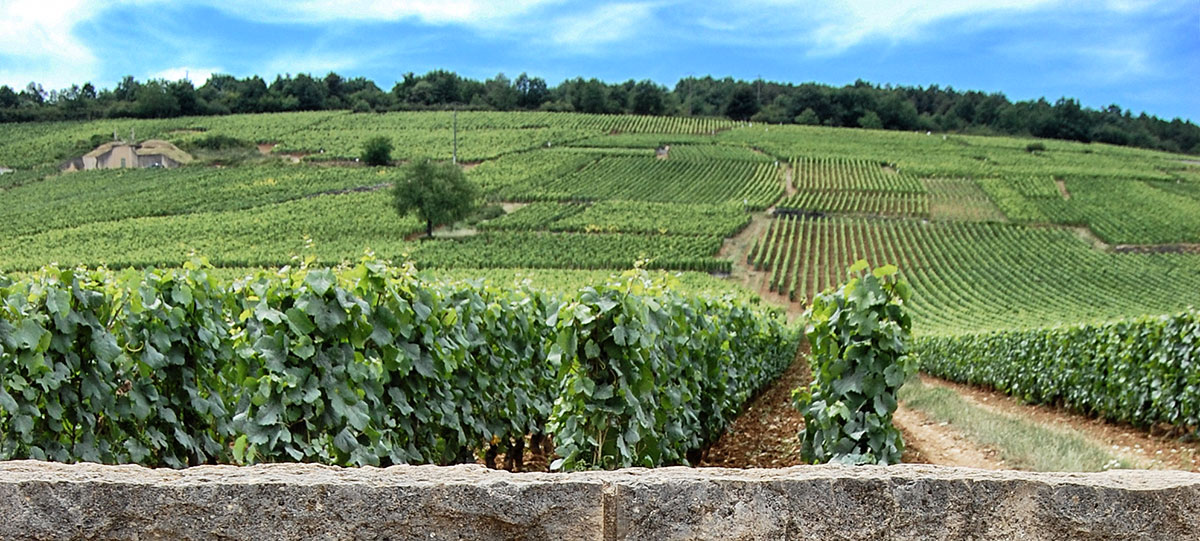
Clos de la Roche vineyard sign between Morey-Saint-Denis and Gevrey-Chambertin
Morey-Saint-Denis is Burgundy’s overlooked village — sandwiched between the fame of Gevrey-Chambertin to the north and Chambolle-Musigny to the south, it rarely gets the attention its five Grand Crus deserve. Clos de la Roche, Clos Saint-Denis, Clos de Tart, Clos des Lambrays, and a share of Bonnes-Mares — all within a single small village.
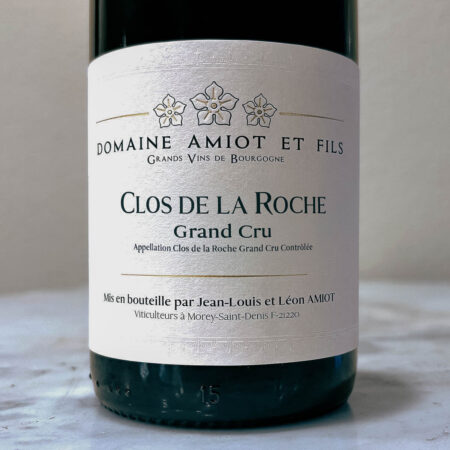
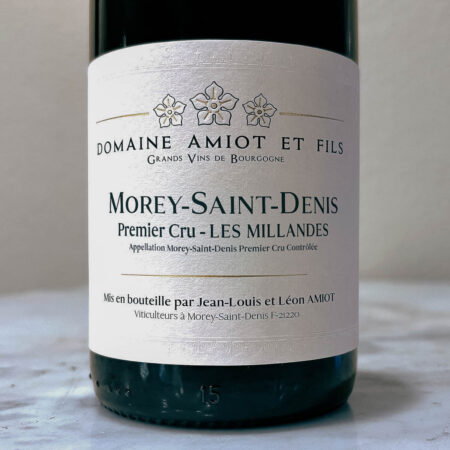
Domaine Amiot et Fils has been in Morey-Saint-Denis since 1702 — eleven generations of the same family farming the same vineyards. Léon Amiot is the latest. The Grand Cru Clos de la Roche — their flagship — comes from vines planted between 1947 and 1962, aged 16 to 18 months in oak. It is one of the finest wines on the Amitié list and one of the most compelling Grand Crus available at its price relative to the more famous Gevrey Grand Crus next door.
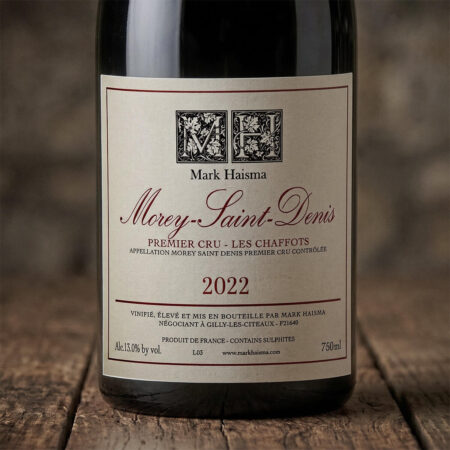
Mark Haisma also farms here — his Premier Cru Les Chaffots is a single parcel in the southern part of the appellation, close to the Chambolle-Musigny border, producing wines of real aromatic precision.
Chambolle-Musigny
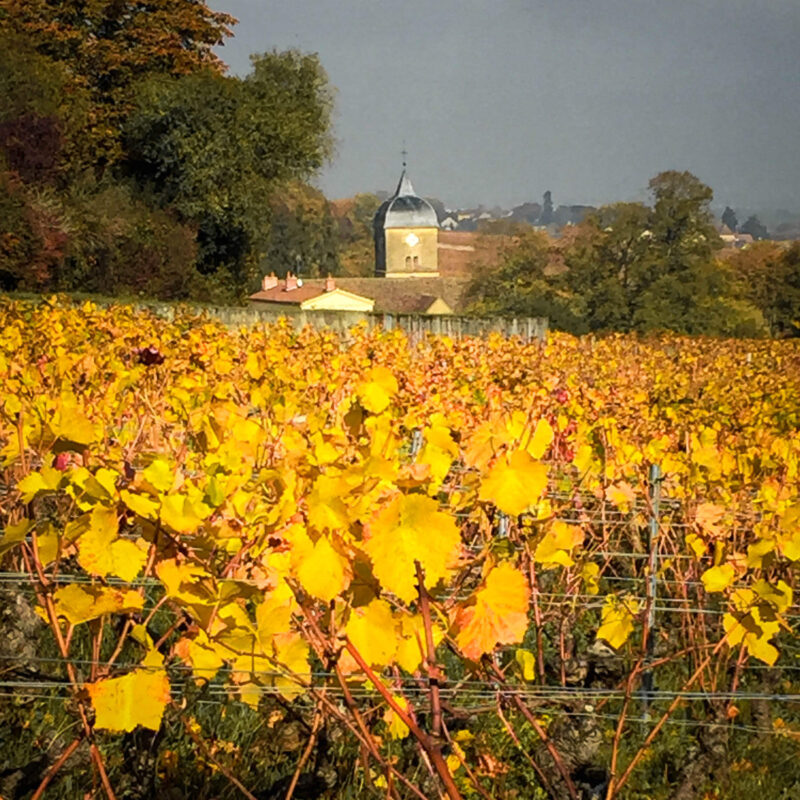
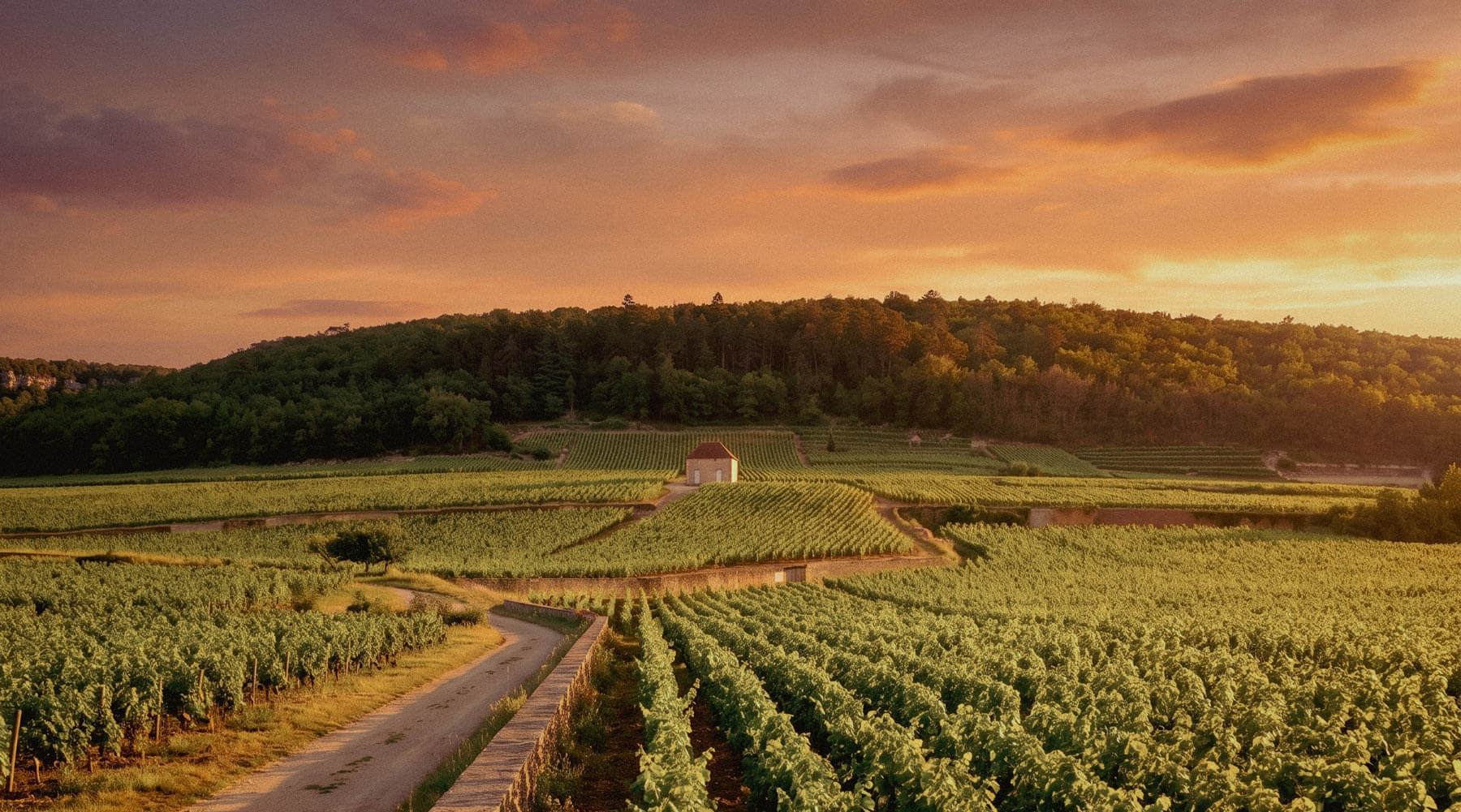
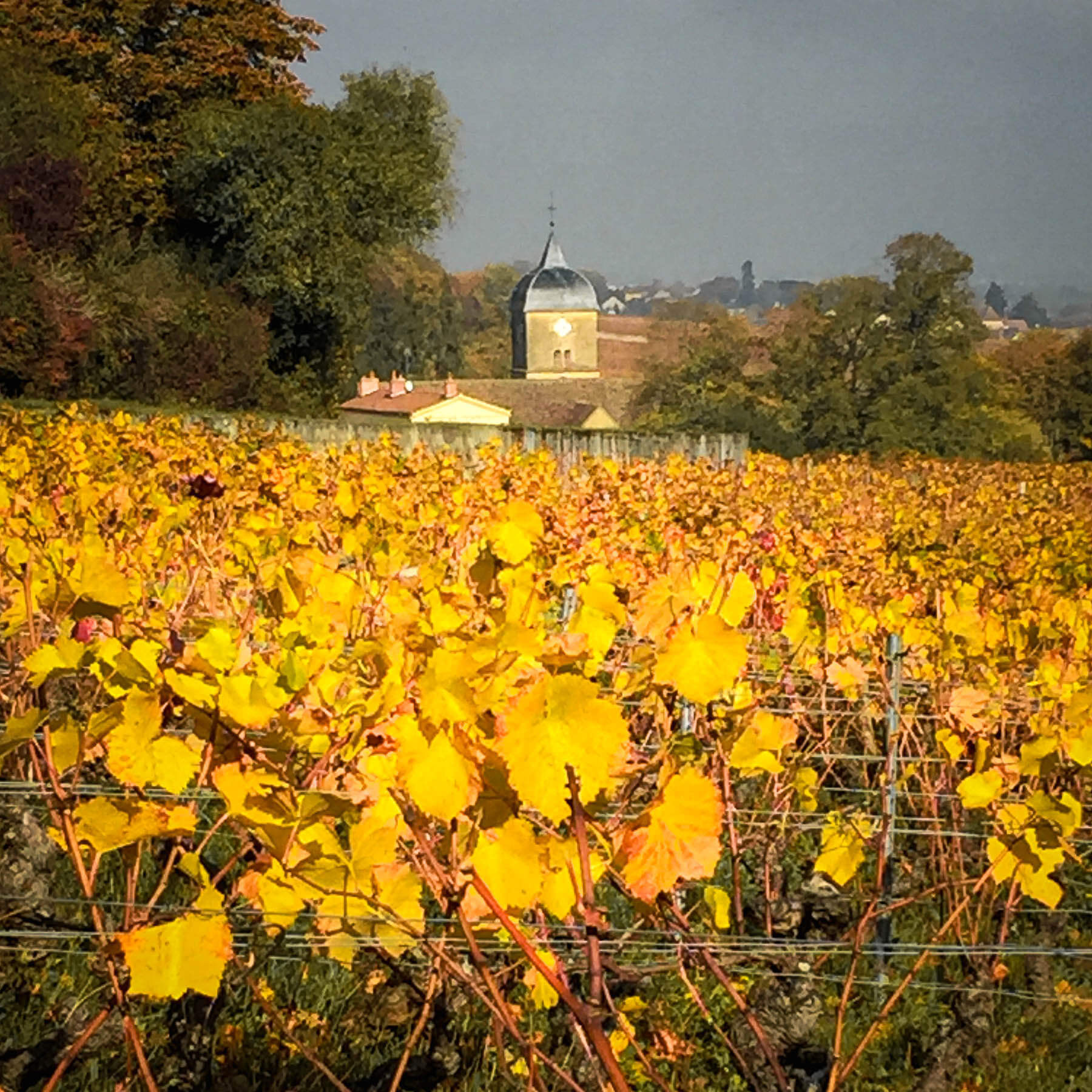
Chambolle-Musigny Vineyards looking toward the village
The most perfumed and delicate village of the Côte de Nuits. Where Gevrey tends toward power and structure, Chambolle leans toward elegance and floral aromatic precision — cherry, violet, a mineral edge that reflects the pale limestone soils. The two Grand Crus — Musigny and Bonnes-Mares — sit at opposite ends of the appellation and illustrate the village’s range: Musigny the most refined and ethereal, Bonnes-Mares more structured and age-worthy.
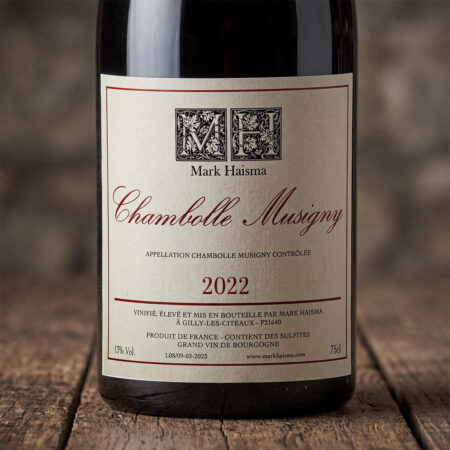
Mark Haisma’s village Chambolle-Musigny comes from two parcels — one adjacent to Les Amoureuses, one of the most celebrated Premier Crus in Burgundy. The wine reflects that proximity: unusually perfumed and precise for a village appellation.
Vougeot
The Clos de Vougeot is one of the most famous vineyards in the world — a 50-hectare Grand Cru enclosure surrounded by a medieval stone wall, originally farmed by Cistercian monks from the 12th century. It is now divided among more than 80 different owners, which explains the enormous variation in quality between producers. The best parcels, farmed by serious growers, produce wine of real grandeur. The less serious parcels produce wine that coasts on the name.
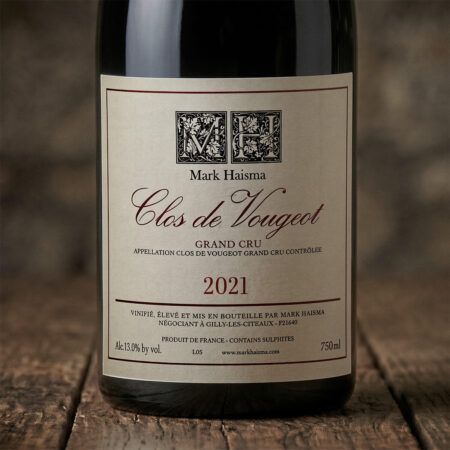
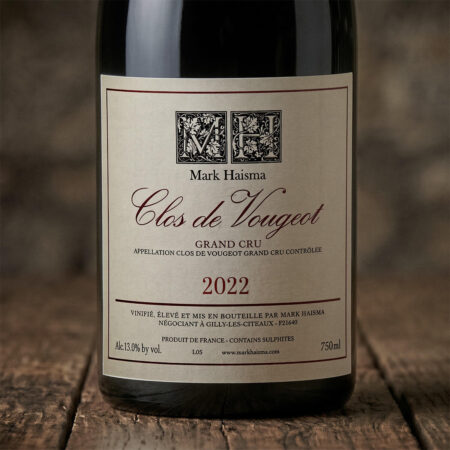
Mark Haisma’s Clos de Vougeot comes from a parcel in the upper section of the enclosure — the highest-quality zone, close to the wall, with better drainage and more concentrated soils than the lower sections near the road. Aged 18 months in old oak, it is the most ambitious wine in the Haisma range.
Domaine Charlopin-Tissier also farms in the upper section — a parcel producing a wine of exceptional concentration and depth, available in magnum only. Yann Charlopin ages it 18 months in barrel from François Frères cooperage, with 75–100% new oak carefully selected and harmoniously integrated. One of the most serious bottles on the Amitié list. One magnum remaining.
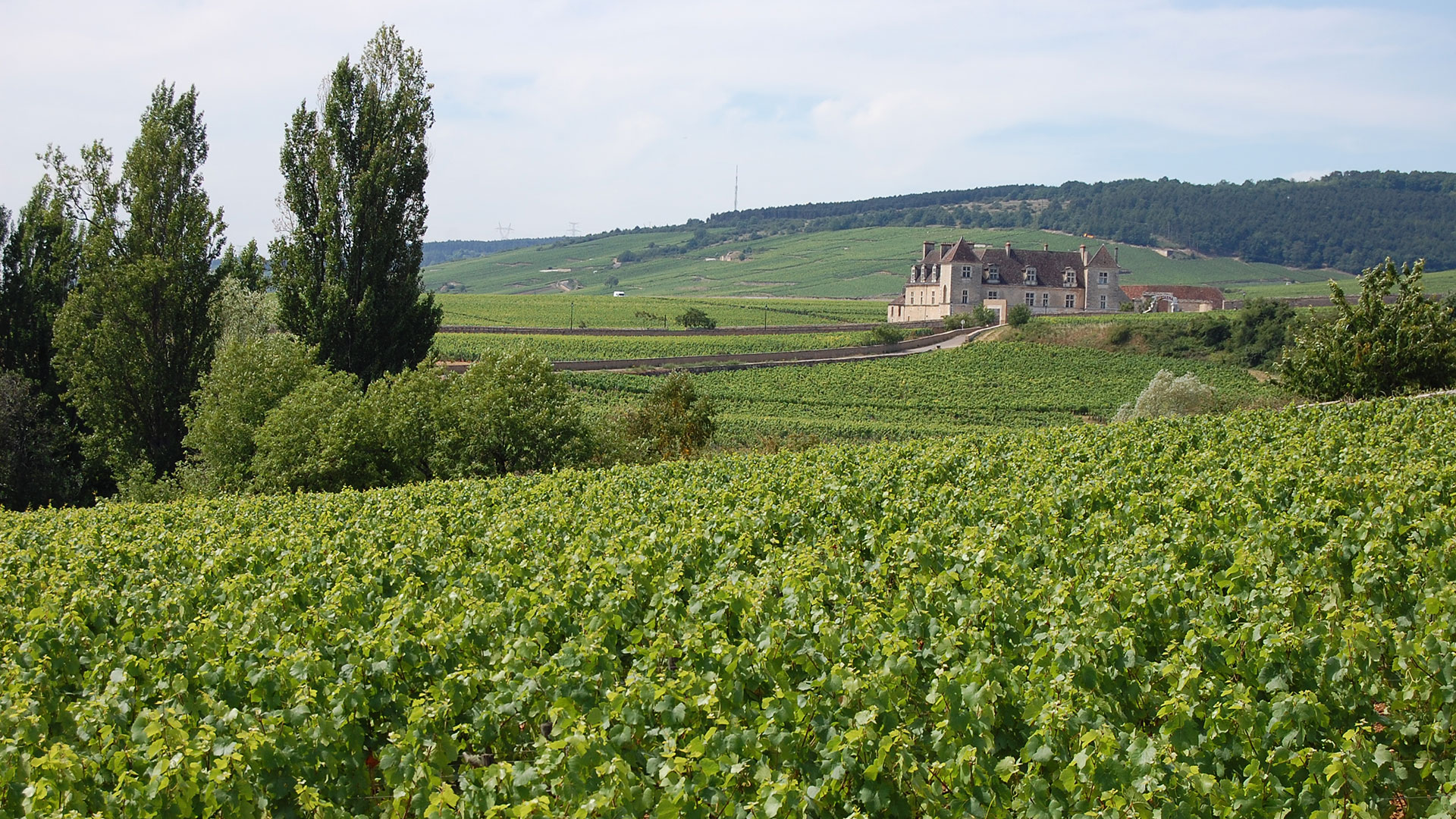
Clos de Vougeot
Marsannay
Marsannay sits at the northern gateway to the Côte de Nuits, just south of Dijon. It is the only appellation in Burgundy with significant production of all three colours — red, white, and rosé. The village was historically overshadowed by the Grand Cru villages further south, which kept prices reasonable and quality interesting. In recent years producers have been pushing for Premier Cru classification for several of the best sites — Les Longeroies, Clos du Roy, La Montagne — a recognition that is long overdue.
Domaine Charlopin-Tissier farms several Marsannay sites including La Montagne and Le Chapitre — both showing the kind of site-specific character that makes a strong case for Premier Cru status. At $63–67 they sit among the most interesting value propositions on the Amitié list.
Côtes de Nuits-Villages
Côtes de Nuits-Villages is the appellation that bookends the Côte de Nuits at both its northern and southern extremities — covering villages like Brochon and Fixin in the north and Corgoloin and Comblanchien in the south, where the famous slope widens and the limestone soils come closer to the surface. The wines produced here have a particular stony, mineral precision that distinguishes them from the richer, deeper Côte de Nuits village wines — and a price that reflects their position outside the celebrated central strip.
Domaine Charlopin-Tissier sources from Brochon — the northernmost commune of the appellation, sitting directly above Gevrey-Chambertin on the same limestone ridge. The proximity to Gevrey shows in the wine’s character — more structure and mineral tension than a generic Bourgogne Rouge, with the Côte de Nuits earthiness and grip that the village below is celebrated for. Organic farming, fully destemmed, cold maceration, no filtration.
At $63 it is the most accessible entry point into the Charlopin-Tissier range — and a genuine introduction to what the northern Côte de Nuits tastes like before the appellation names become famous.
Bourgogne
Not every wine from a Côte de Nuits producer carries a village or Premier Cru designation — and sometimes the most interesting story is at the Bourgogne level.
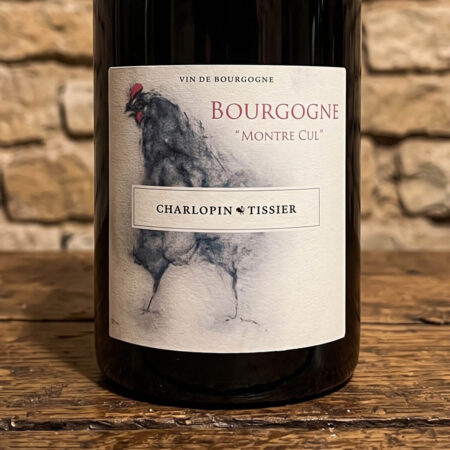
The Charlopin-Tissier Bourgogne Rouge ‘Montre-Cul’ comes from a lieu-dit of the same name in Gevrey-Chambertin. The name translates as “show your backside” — officially a reference to the steep slope that required workers to bend forward dramatically to tend the vines. Unofficially, a message to the Dijonnais. At the Bourgogne appellation level with Gevrey-Chambertin fruit from a producer mentored by Jean-Marie Fourrier, it is one of the most specific and site-expressive wines at this price point on the Amitié list.
Understanding the classification
The Côte de Nuits classification follows the same Burgundy hierarchy as the Côte de Beaune — Bourgogne, Village, Premier Cru, Grand Cru — but the concentration of Grand Cru vineyards here is higher than anywhere else in Burgundy. A few specifics worth knowing:
Marsannay has no Premier Cru or Grand Cru designations currently — all wines are village level, though this may change if the ongoing reclassification efforts succeed.
Côtes de Nuits-Villages is a broader appellation covering the northern and southern extremities of the Côte de Nuits — including villages like Fixin and Brochon in the north. Charlopin-Tissier’s Côtes de Nuits-Villages is sourced from Brochon, directly north of Gevrey-Chambertin.
Bourgogne ‘Montre-Cul’ — the Charlopin-Tissier Bourgogne with this name comes from a lieu-dit in Gevrey-Chambertin. The name translates loosely as “show your backside” — officially a reference to the steep slope that required workers to bend forward to tend the vines. Unofficially, a message to the Dijonnais. At the Bourgogne appellation level it is one of the most specific and site-expressive wines at this price point on the list.