

Mark Haisma
”He seems to have struck gold. His wines have an excellent balance between fruit, expression and refreshment without being in any way wimpish. The wines are also, appetisingly, bone dry.
— Jancis Robinson
”Top 25 Producers to Watch
— Tim Atkin MW
”My winemaking has always sought to capture freshness and play on the aromatics of the grapes I work with. Power, structure, indefinite ageing, black colours are not my thing.
— Mark Haisma
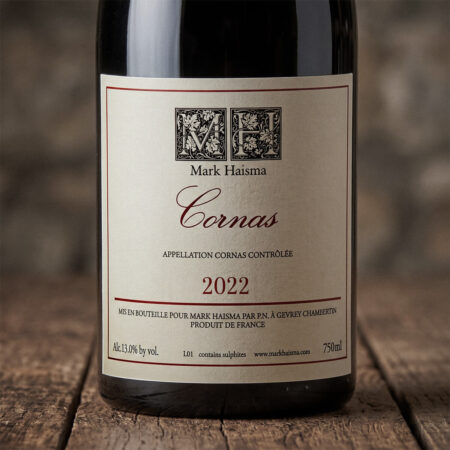
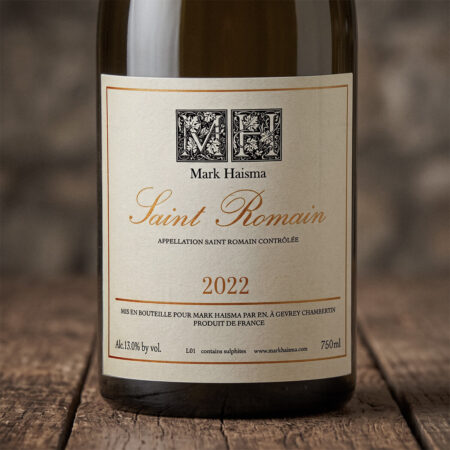
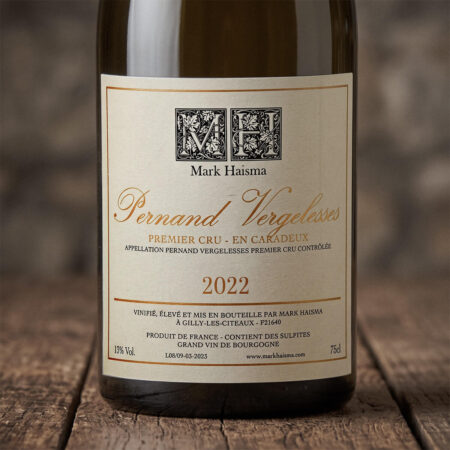
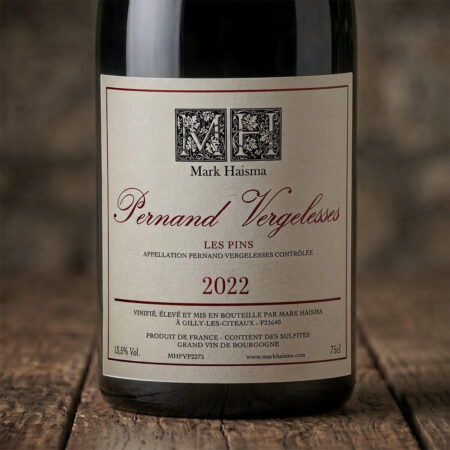
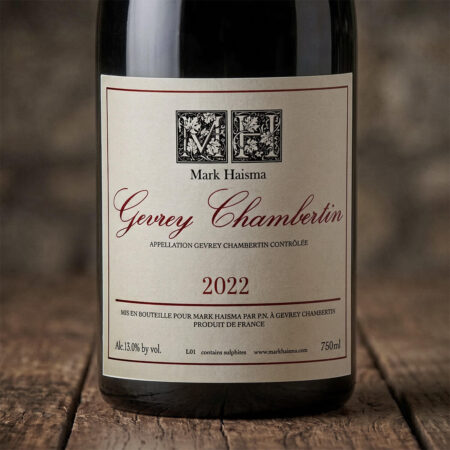
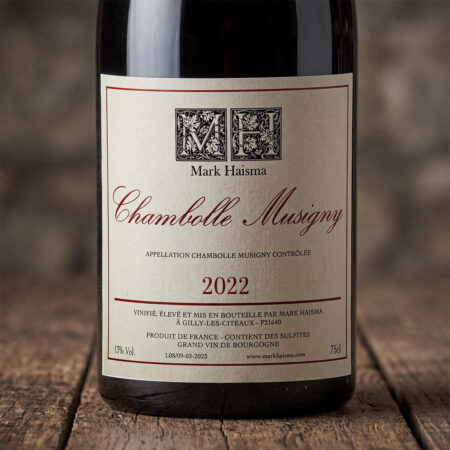

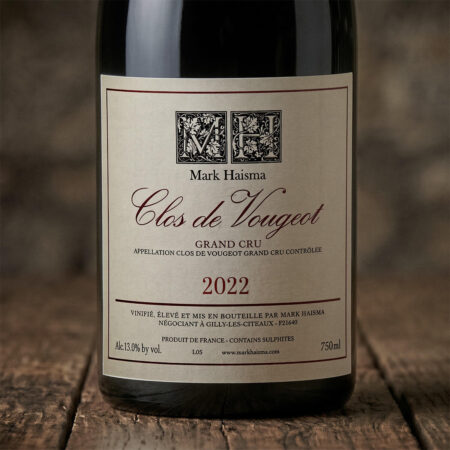
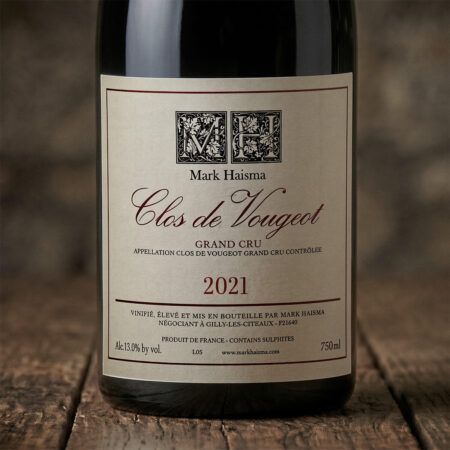
About Mark Haisma
Mark Haisma grew up in Australia and spent a decade as winemaker at Yarra Yering in Victoria — one of the country’s most celebrated estates — working alongside the late Dr. Bailey Carrodus, whose approach to winemaking left a permanent mark on how Mark thinks about wine. Elegant. Precise. Not about power.
In 2007 he left for Burgundy. He arrived with a clear philosophy and without a cellar. His first wines were made in rented space in Gevrey-Chambertin — sourcing fruit from growers he describes as “old boys who sell mainly to the négociants.” He looked where others weren’t looking — older growers selling to négociants, parcels without famous names attached.
The wines quickly found an audience. Jancis Robinson described him as having “struck gold.” Tim Atkin named him one of his Top 25 Producers to Watch. By 2016 the cult following was substantial enough to fund a proper winery — affectionately named “Le Shed” — built to his own specification in Gevrey-Chambertin. Annual production is around 12,000 bottles.
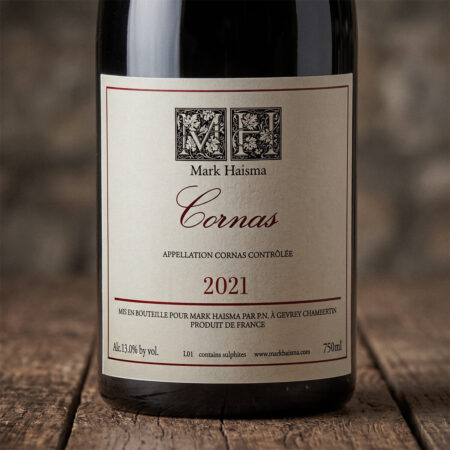
The range spans Burgundy and the Northern Rhône. In Burgundy: Gevrey-Chambertin, Chambolle-Musigny, Morey-Saint-Denis Premier Cru Les Chaffots, Pernand-Vergelesses, Saint-Romain, and Grand Cru Clos Vougeot. In the Northern Rhône: Cornas from the Les Combes vineyard — a relationship with the same grower since 2010, which began when Mark simply asked a contact in the area if they could find him some Syrah fruit during his first year in France.
The approach is consistent whether the wine costs $84 or $540. Spontaneous fermentation. Carefully measured use of sulfur. Minimal oak intervention. The focus is always on fruit purity and the specific character of the site. As Mark puts it: power, structure, indefinite aging, and black colors are not his thing.
From the Cellar to Your Door
Temperature control matters at every step, so we manage the whole route.
Shipped cold from France
The wine travels from the domaine cellars to our temperature-controlled warehouse in refrigerated containers and trucks, start to finish.
Stored in temperature controlled warehouses
Our main temperature-controlled bonded warehouse is in the Bay Area. A smaller temperature-controlled warehouse is in North County San Diego.
We ship when the weather is right
We wait for good shipping weather. After you order, we email you to arrange a shipping date that works for you.
Wine delivered to most states
We ship to most US states that allow wine shipping. Free shipping on 12 or more bottles.