


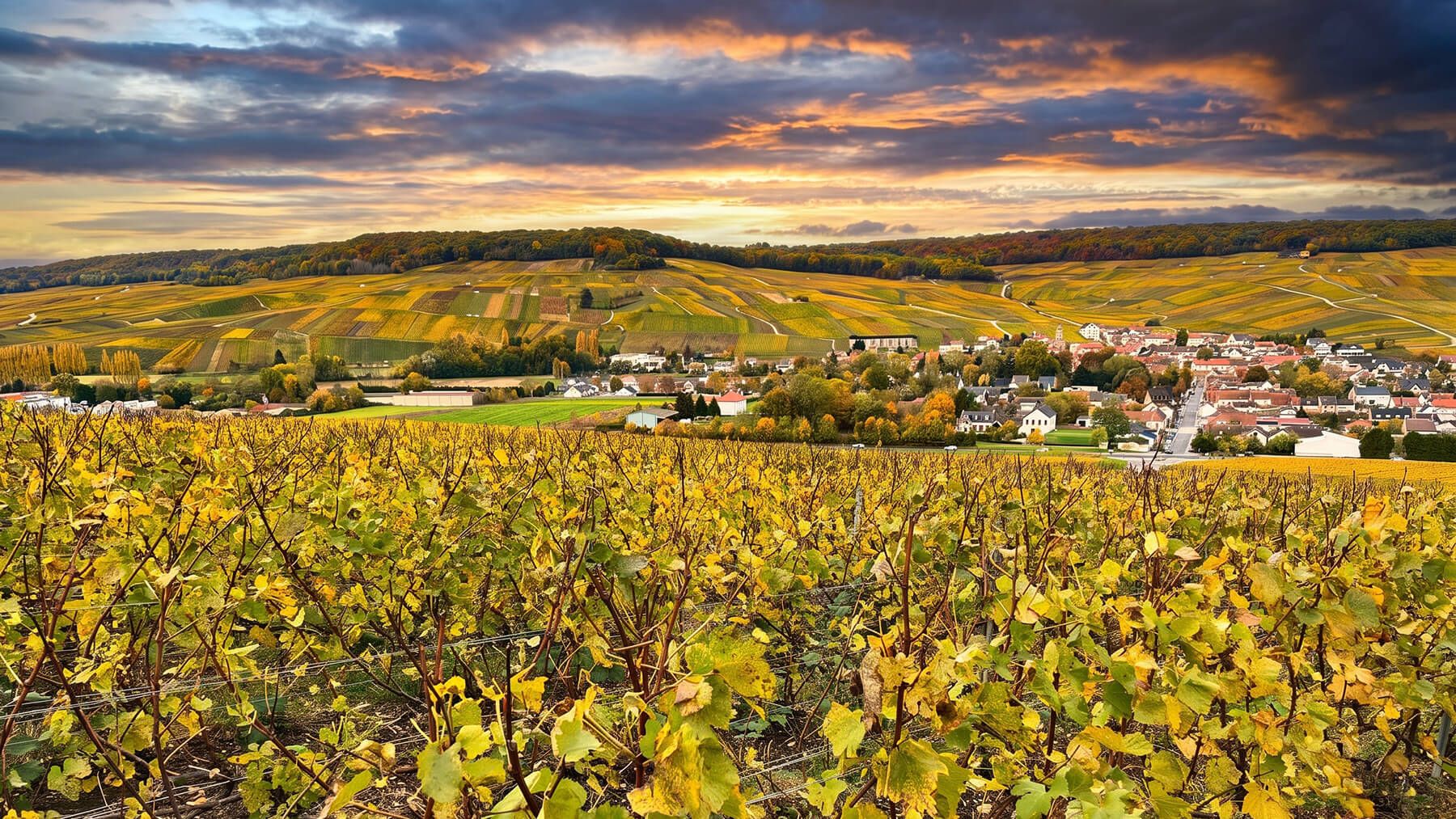
About the Champagne on our list
Small-production Champagne from four family domaines — Grand Cru Verzy, Mareuil-sur-Aÿ, and the Coteaux Sud d’Épernay. Every producer farms their own vines, uses indigenous yeasts, and bottles at low or zero dosage.
Available now




The winemakers we work with
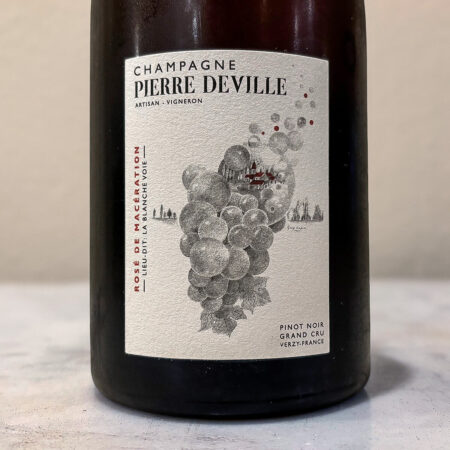
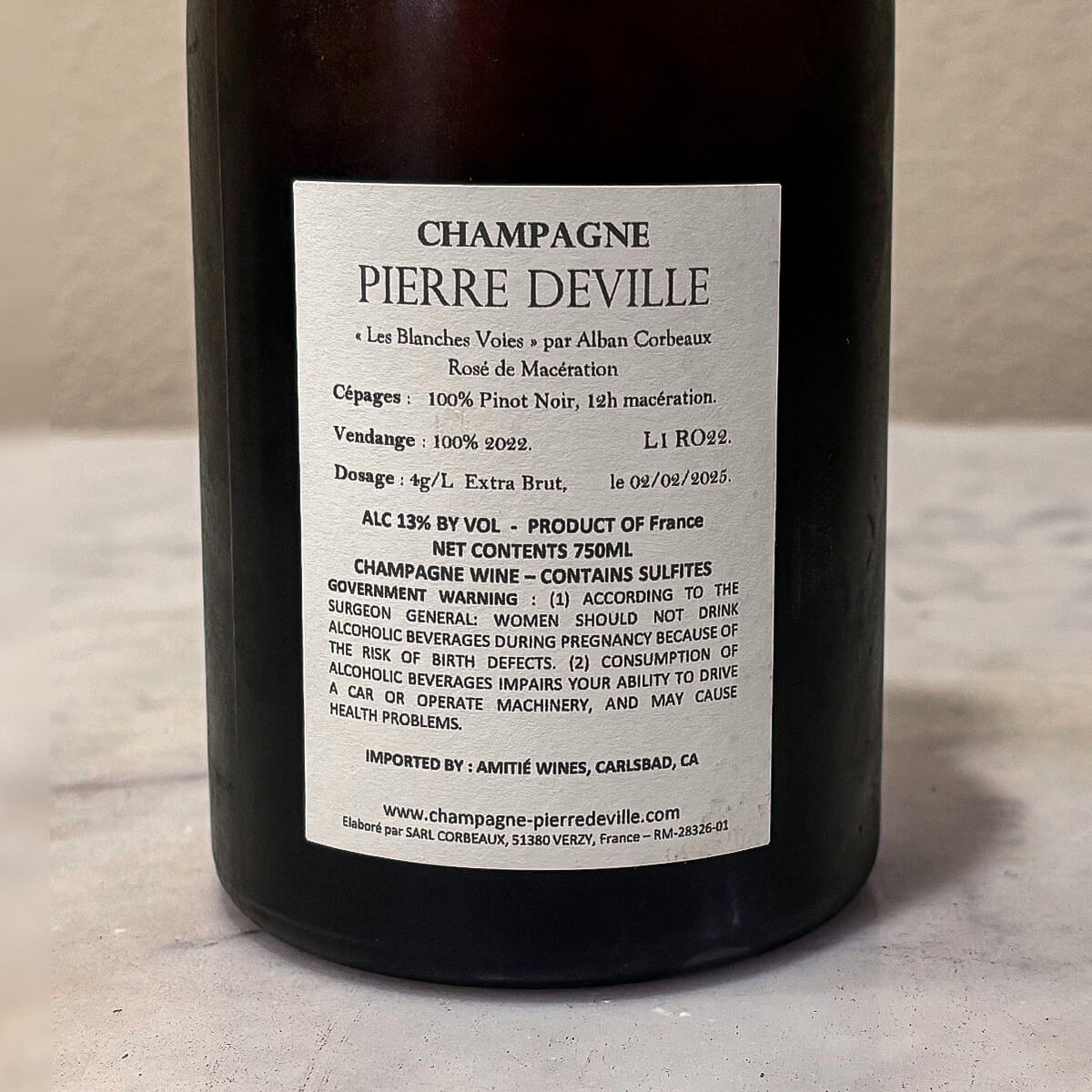
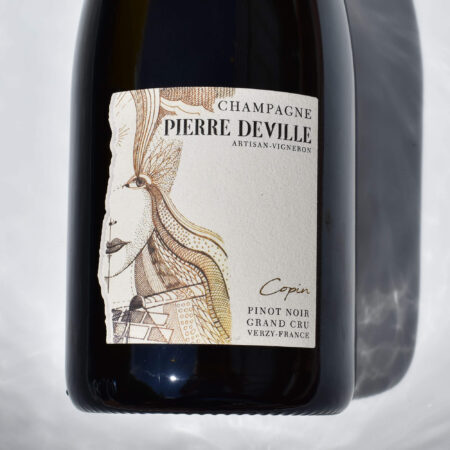
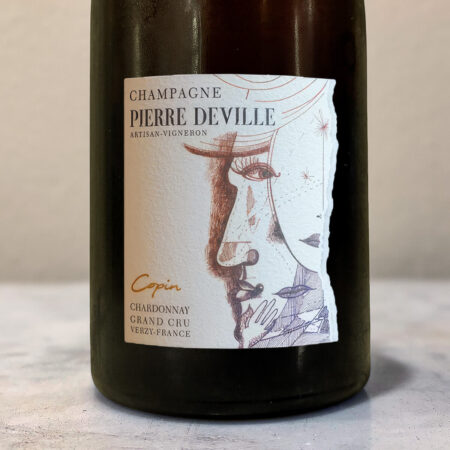
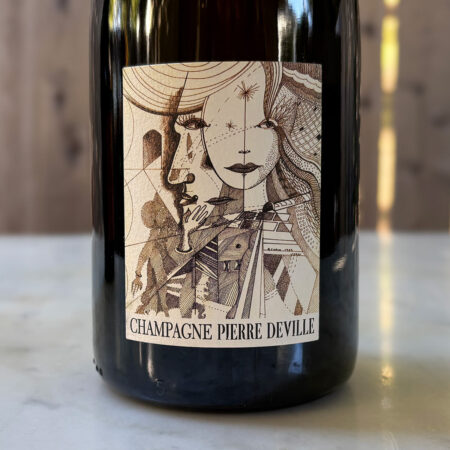
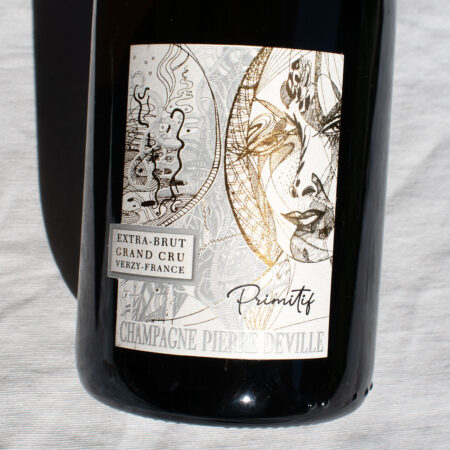
Champagne Pierre Deville
Fourth-generation grower in Verzy Grand Cru. Biodynamic farming, indigenous yeasts, barrel-aged.
Champagne Hélène Charbaut
Fourth-generation grower in Mareuil-sur-Aÿ. Five cuvées — each a single grape variety, a single expression of terroir.
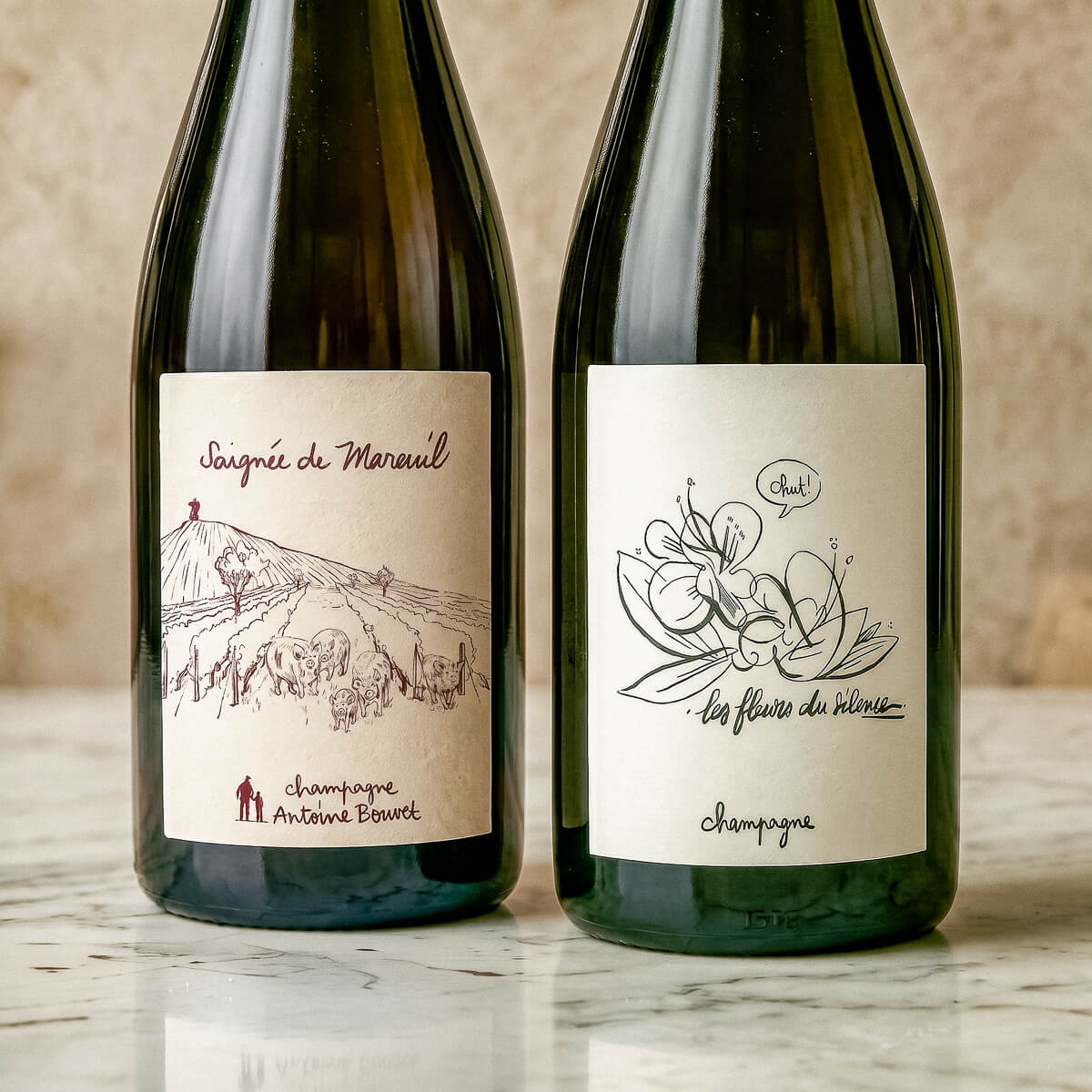
Champagne Antoine Bouvet
Five and a half hectares across Mareuil-sur-Aÿ, Bisseuil, and Avenay Val d’Or. Extended barrel aging. Sells out with every release.
Champagne Pascal Lejeune
Family domaine on the south-facing slopes of the Coteaux Sud d’Épernay. One of the first in Champagne to plant cover crops between vine rows.
Also available — Champagne magnums
The Amitié list includes magnums from Antoine Bouvet — Les Monts de la Vallée Blanc de Noirs and Les Monts de la Vallée Rosé, both 2022, arriving December 2026.
The Antoine Bouvet pre-arrival allocation opens soon.
Two cuvées offered for the first time and a full lineup of Antoine’s wine, available to our pre-arrival list members only.
The villages
Verzy — Montagne de Reims
Verzy is one of a handful of villages on the Montagne de Reims classified at Grand Cru level. Its chalk-rich slopes on the forested eastern edge of the mountain produce Pinot Noir of unusual restraint and mineral tension — more precise and more site-specific than the more famous Grand Cru villages of Aÿ and Ambonnay. Two of the producers on the Amitié Champagne list farm here.
Champagne Pierre Deville — fourth generation, biodynamic farming, every wine fermented and aged in old oak barrels. The most cellar-intensive Champagne on the list. 1,300 bottles per cuvée.
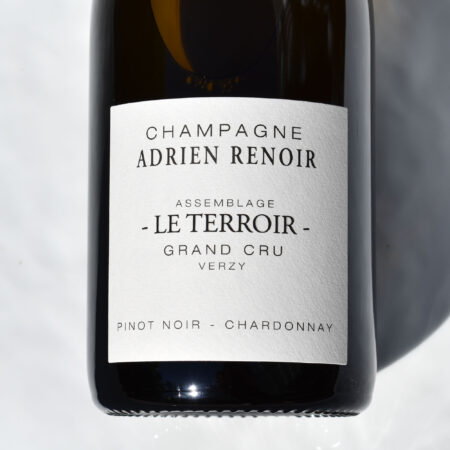
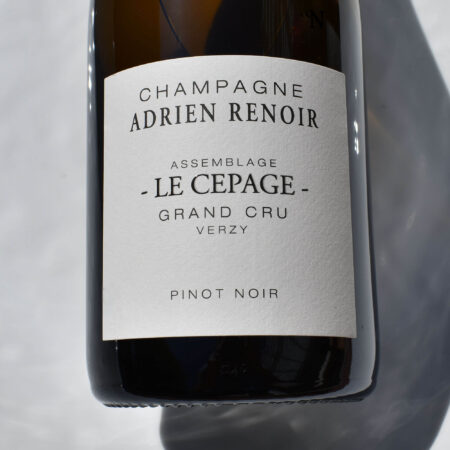
Adrien Renoir — fourth generation, 100% Grand Cru Verzy fruit, barrel-fermented, zero or low dosage.
Mareuil-sur-Aÿ — Vallée de la Marne
Mareuil-sur-Aÿ sits on the left bank of the Marne — a village classified at Premier Cru level, known primarily for Pinot Noir from chalky limestone soils. Antoine Bouvet and Hélène Charbaut both farm here, often alongside each other in the same parcels.
Antoine Bouvet — fifth generation, biodynamic farming, extended barrel ageing. Some wines rest in oak for four years before release. Three villages: Mareuil-sur-Aÿ, Bisseuil, and Avenay Val d’Or. Sells out with every release.
Hélène Charbaut — fourth generation. Five cuvées, each a single grape variety, a single expression of terroir. Next allocation expected spring 2027.
Coteaux Sud d’Épernay
The Coteaux Sud d’Épernay covers the south-facing slopes of the left bank of the Marne — a distinct terroir from the Montagne de Reims and the Côte des Blancs, with a particular freshness and texture that reflects the clay, silt, and marl limestone soils. Meunier plays a more significant role here than in most of Champagne.
Champagne Pascal Lejeune — family domaine in Moussy. Among the first producers in Champagne to plant cover crops between vine rows. 4.4 hectares across three villages. HVE certified.