Updated September 2026.
The Côte de Beaune is the part of Burgundy we return to most. Not because it’s the most famous — though parts of it are — but because the range of what’s produced here, from entry-level Aligoté and village Bourgogne through to Premier Cru Meursault and Beaune, gives you more to explore than almost anywhere else in France. And because the producers we work with here are among the finest we’ve found anywhere.
The slope runs roughly 25 kilometres from just south of Beaune to the river Dheune. The northern half is predominantly Pinot Noir — Beaune, Pommard, Savigny-lès-Beaune, Pernand-Vergelesses. As you move south the slope transitions to Chardonnay — Meursault, Puligny-Montrachet, Chassagne-Montrachet. The soils shift too, from the iron-rich limestone of the northern villages to the clay-limestone that gives Meursault its richness. These geological details aren’t academic — they’re the reason a Meursault and a Beaune taste completely different despite being grown eight kilometres apart.
What follows are notes on the villages and producers we know best.
Meursault
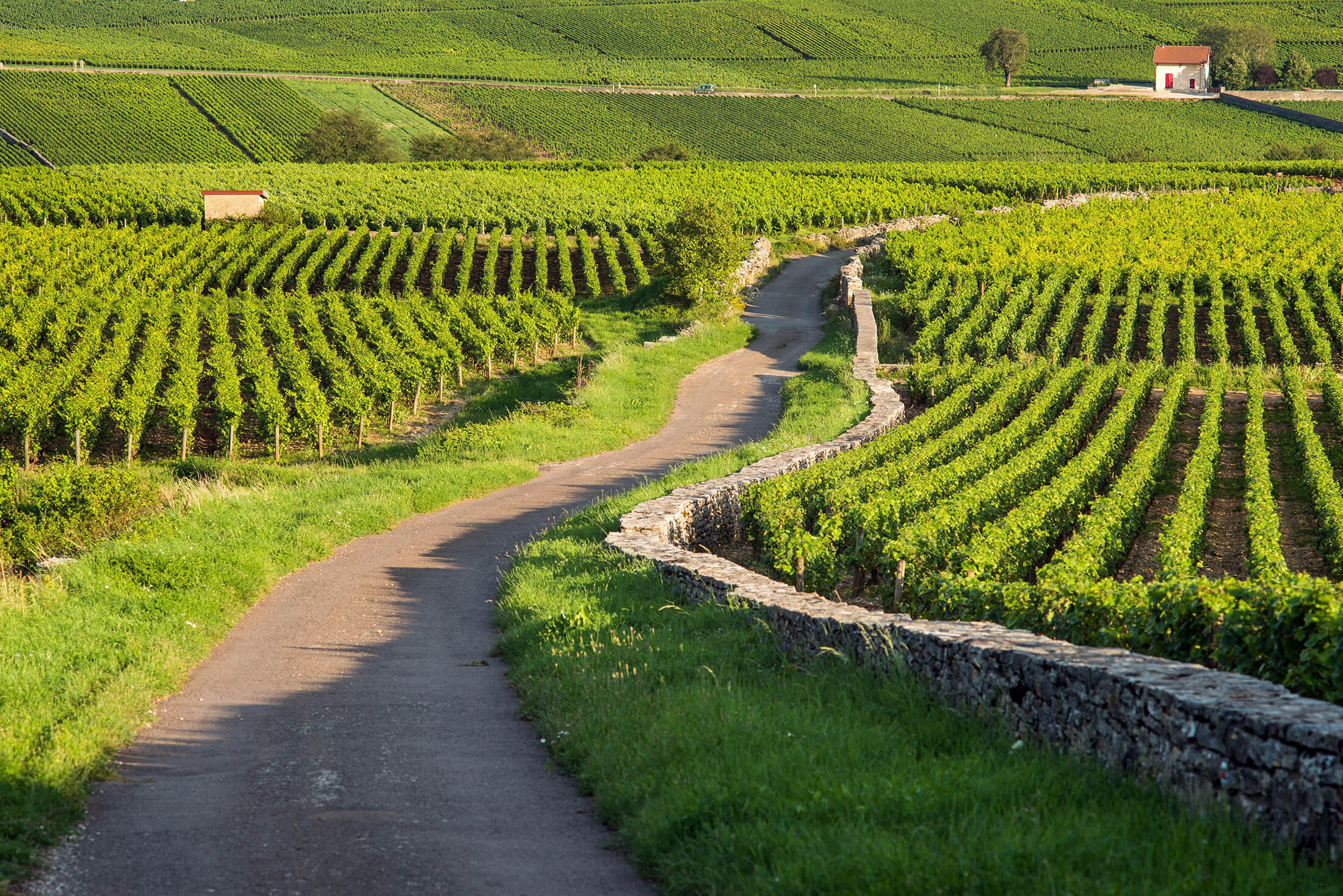
Meursault Vineyard
Meursault is where white Burgundy starts to make sense. The village sits at the point where the slope transitions — you can almost feel it as you drive south through Pommard and Volnay and suddenly the vineyards open up and the names on the signs change from Pinot Noir territory to Chardonnay country.
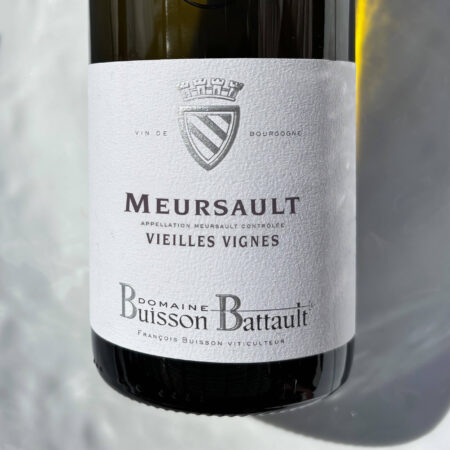
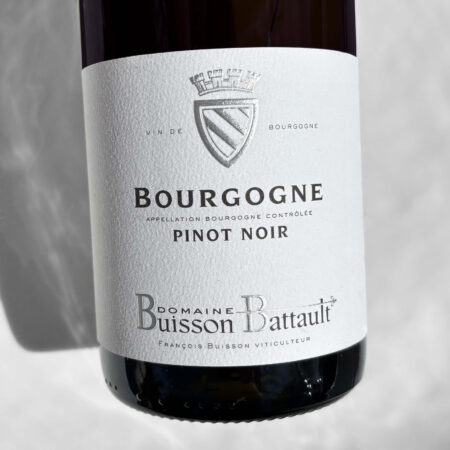
Domaine Buisson-Battault is our Meursault producer — and one of the finest family domaines we carry. François Buisson is the fifth generation of a family farming here since at least the early 20th century. His Vieilles Vignes comes from vines planted in 1930 and 1932 — two lieu-dits, Les Malpoiriers and Les Pellans — farmed organically, aged a full year on lees in French oak. The wine is on the lists of Michelin-starred restaurants throughout California not because anyone sold it to them, but because sommeliers who tasted it kept coming back.
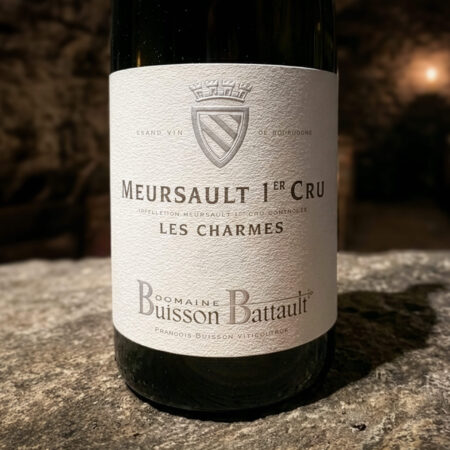
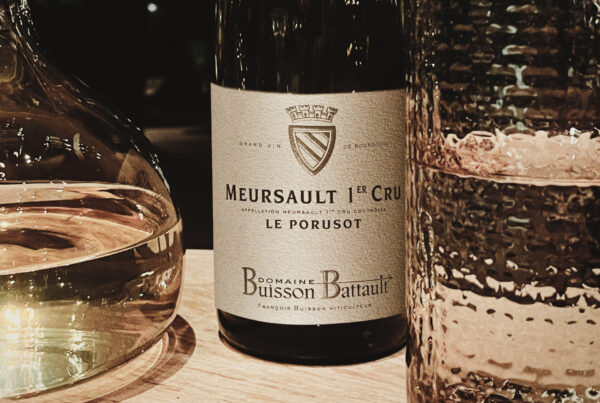
The Premier Cru parcels — Poruzots, Charmes, Genevrières — are each distinct expressions of the village at its most concentrated. Poruzots is tighter and more mineral. Charmes is richer, more generous. Genevrières sits between the two. All three are worth opening with time to breathe.
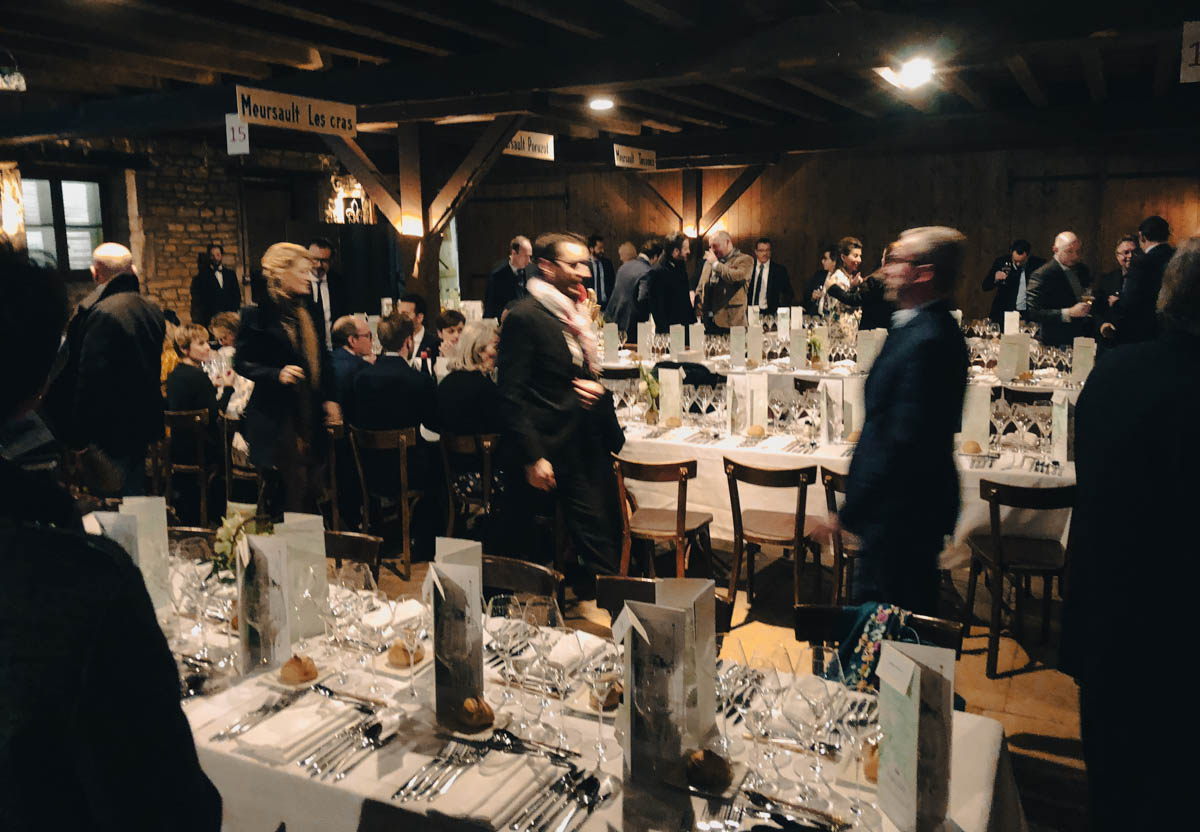
A Meursault tradition – La Paulée de Meursault
Beaune and the Hautes Côtes de Beaune
Beaune is the commercial heart of Burgundy and one of the most underestimated sources of serious Pinot Noir on the Côte de Beaune. The appellation has 42 Premier Cru vineyards and no Grand Cru — a historical quirk that means the best parcels here are classified one level below what their quality would suggest.
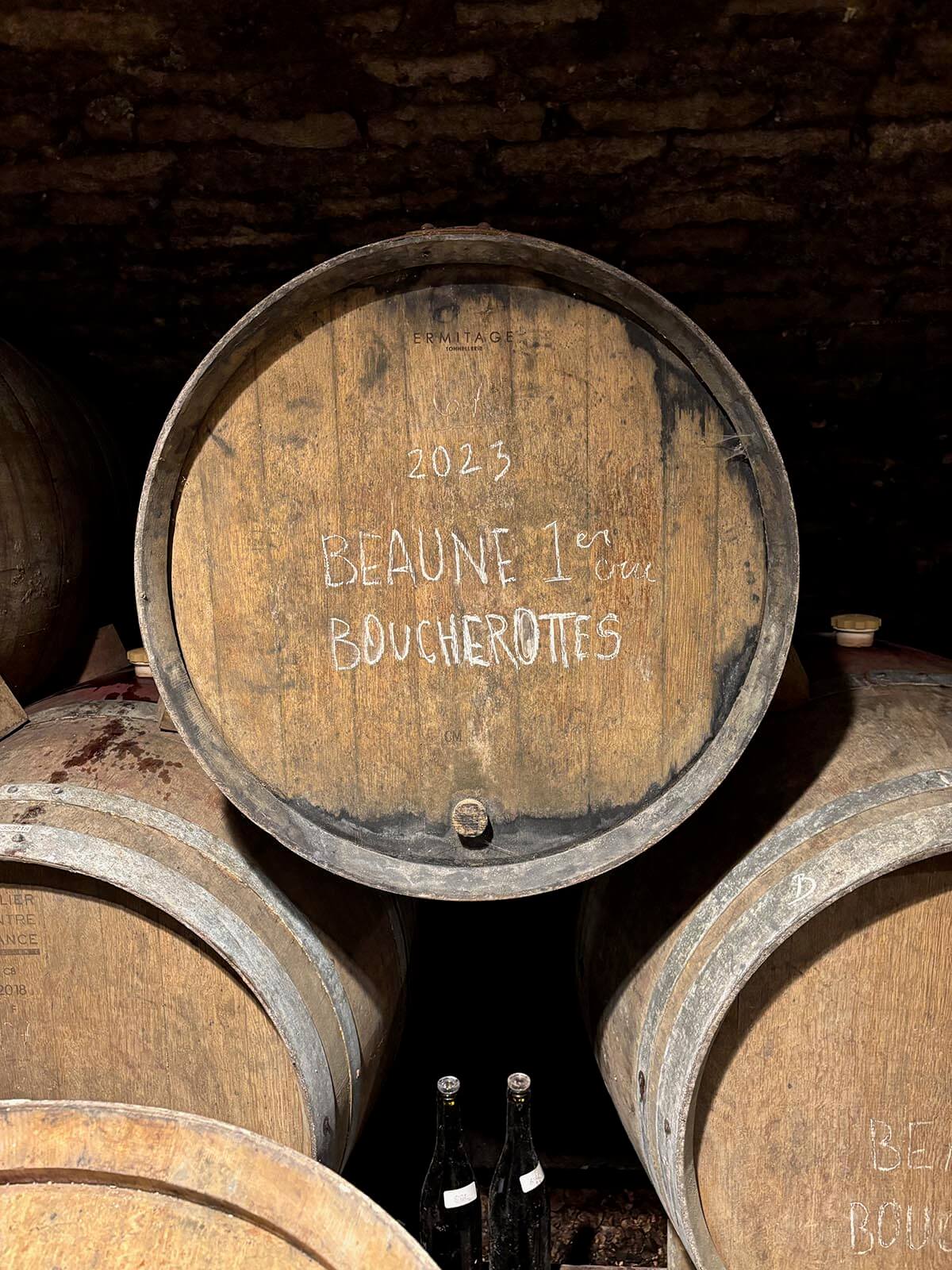
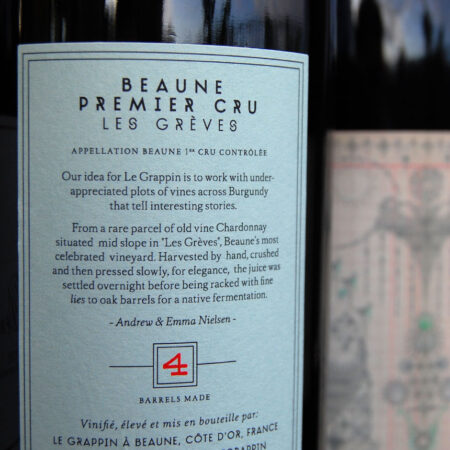
Le Grappin farms two of those Premier Crus. Les Grèves is one of the most celebrated climates in Beaune — and one of the very few places where Chardonnay is planted. Less than 1% of Les Grèves is white. Le Grappin is one of five producers who make a white version. It is one of the most distinctive wines we carry. Boucherottes sits at the southern end of the Premier Cru strip, below Clos des Mouches and adjacent to Pommard’s Les Épenots — a site with the character of its famous neighbours at a village classification.
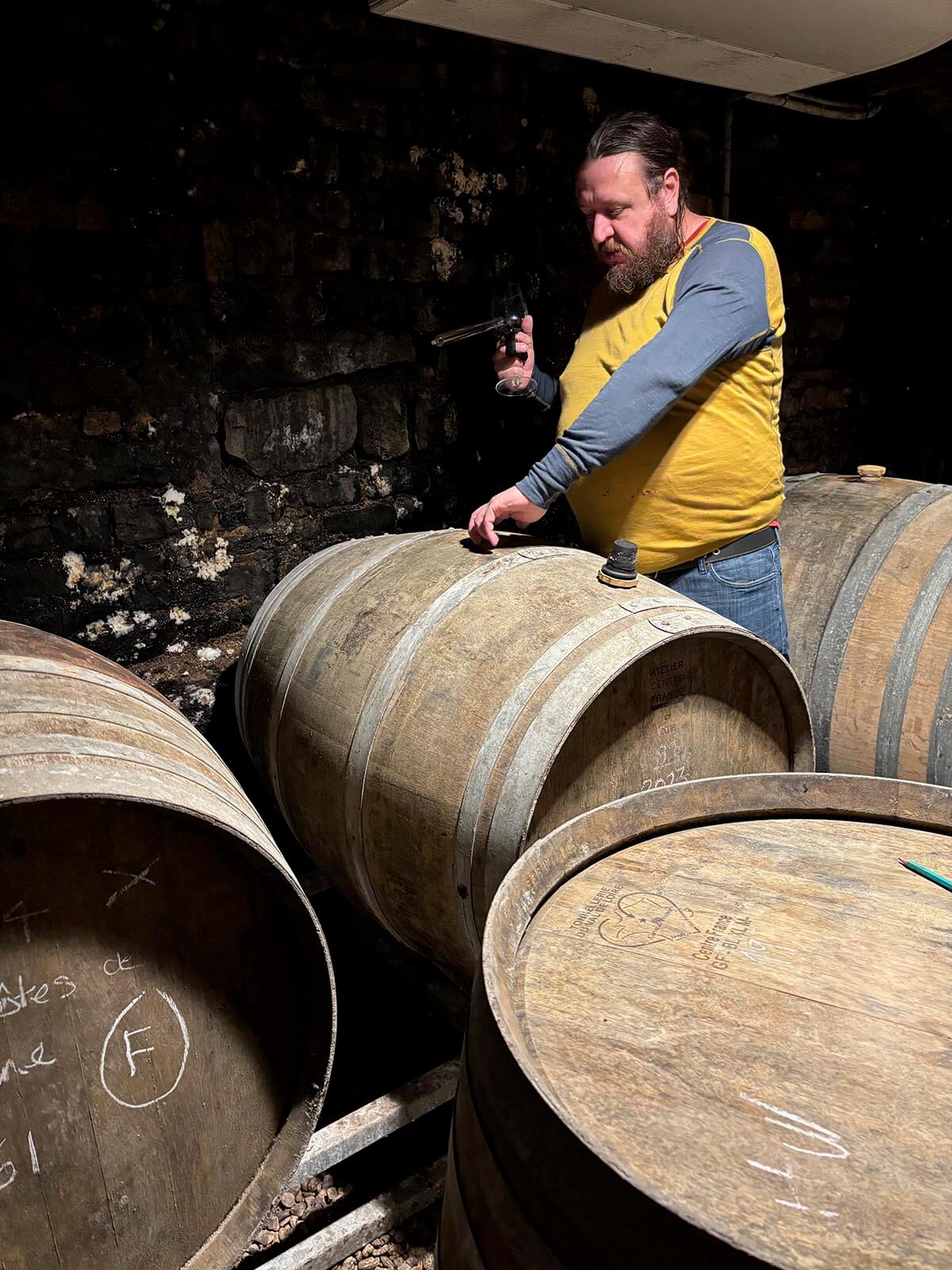
Behind the main slope, the Hautes Côtes de Beaune is where Andrew and Emma Nielsen make the rest of the Le Grappin and Du Grappin range. Cooler temperatures, higher altitude, limestone-rich soils. The lieu-dit Aux Grandes Raies — “a fresh, juicy red that will develop greater complexity with a few years of aging,” as Eric Asimov described it in The New York Times — comes from a specific parcel of limestone marl studded with fossils at the top of the slope.
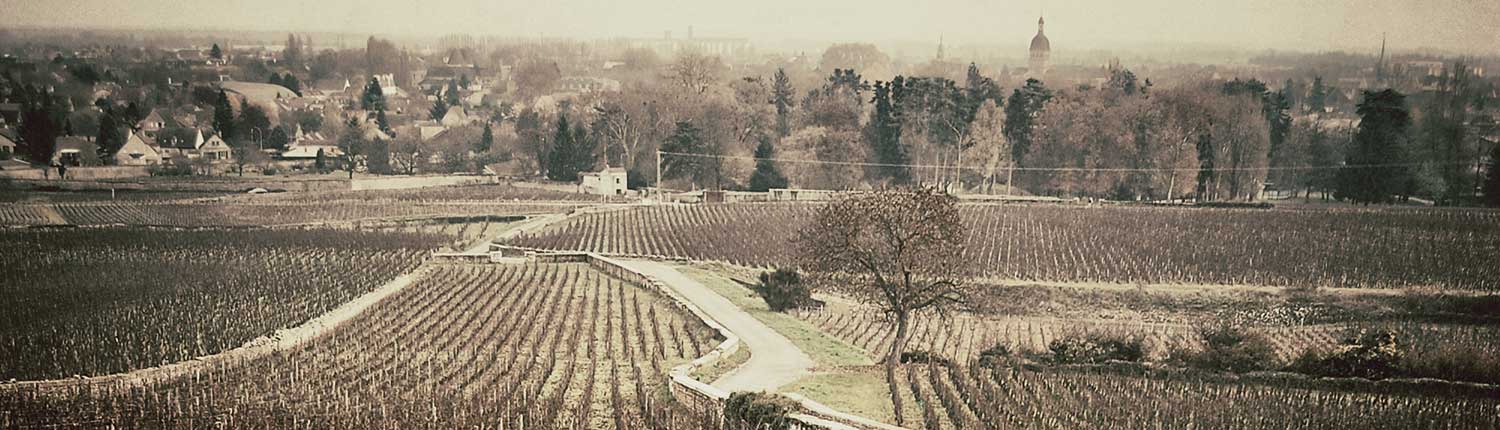
In the Beaune Greves vineyards looking toward Beaune
Pernand-Vergelesses
Pernand-Vergelesses is one of the Côte de Beaune’s persistent secrets. The village sits directly across the hill from Corton-Charlemagne — the most celebrated white Grand Cru in the appellation — and the Premier Cru Sous Frétille shares the same elevated ridge, the same southeast aspect, and the same fundamental soil structure as its famous neighbour. The classification difference is historical rather than terroir-based.
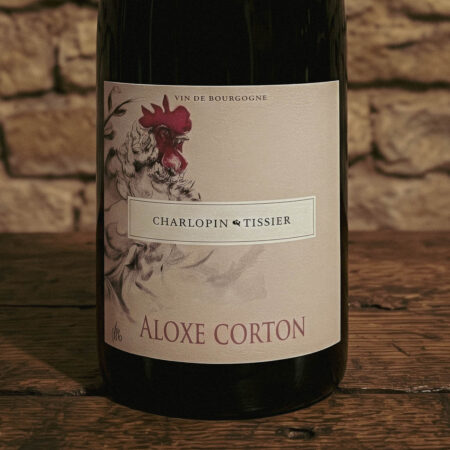
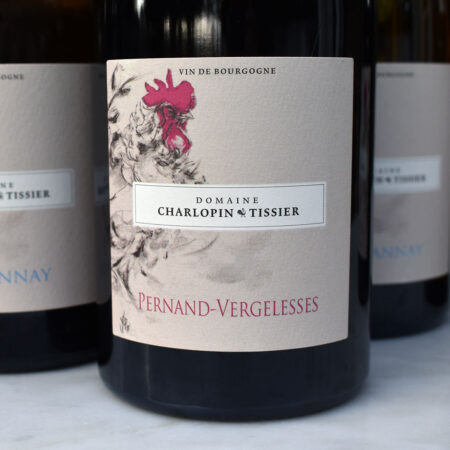
Domaine Charlopin-Tissier farms Sous Frétille — 50-year-old vines, organically farmed, vinified by Yann Charlopin who trained alongside Jean-Marie Fourrier and under the influence of his father Philippe. It is one of the most consistently impressive Premier Cru whites we carry.
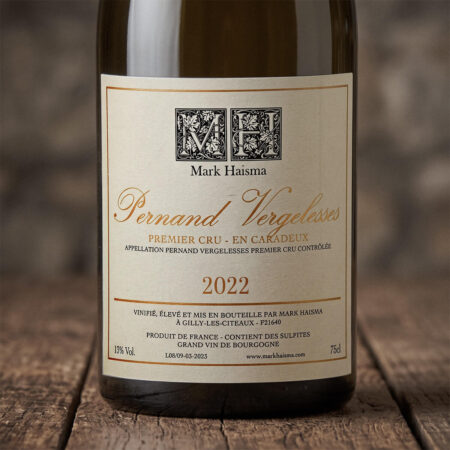
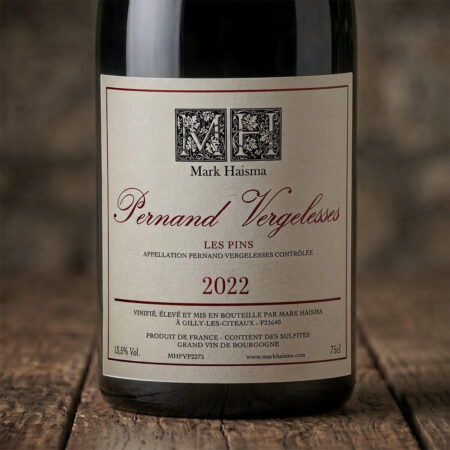
Mark Haisma also farms here — his Premier Cru En Caradeux Blanc and Les Pins Rouge are two of the most interesting wines in the Amitié range at their respective price points. Mark grew up in Australia, spent a decade at Yarra Yering in the Yarra Valley, and then moved to Gevrey-Chambertin. His Pernand wines show the same precision and site-specificity as his Gevrey.
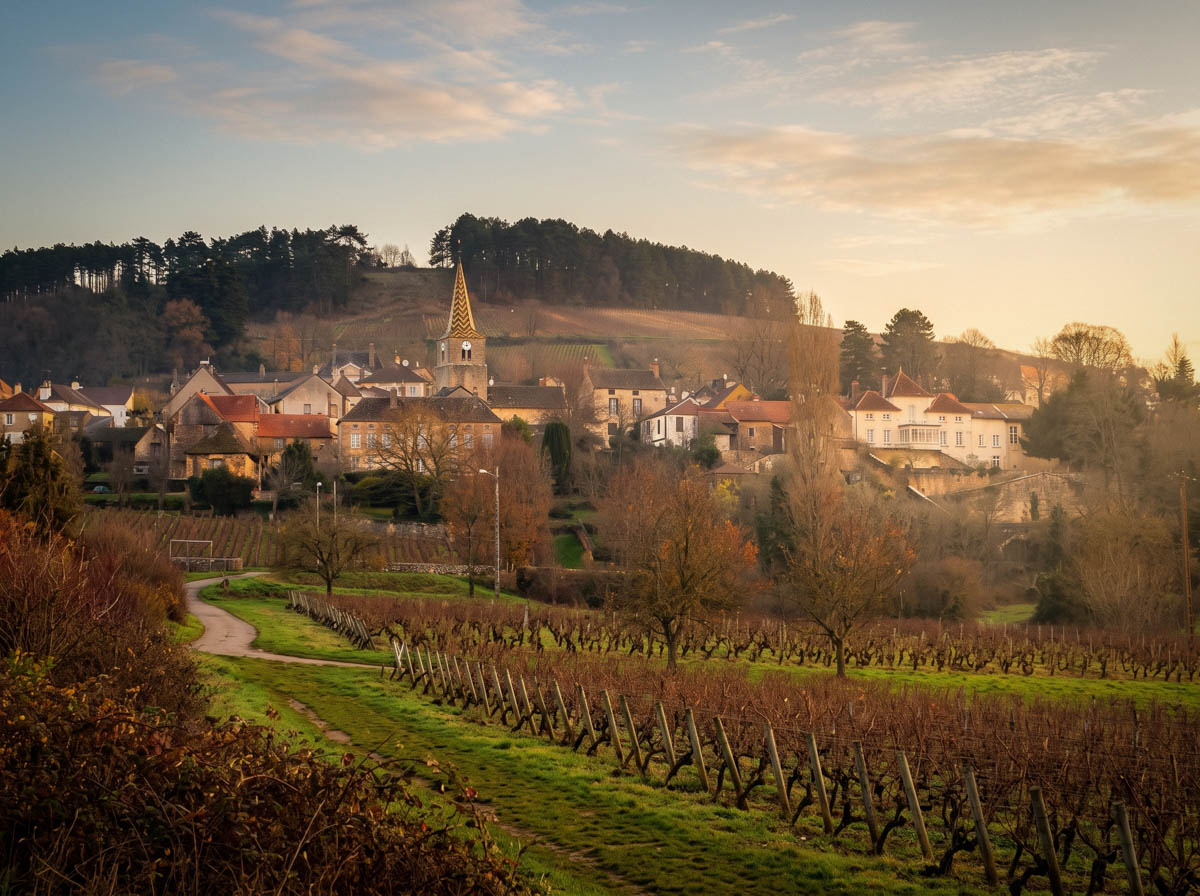
Pernand-Vergelesses in late fall
Savigny-lès-Beaune
Savigny is tucked into a valley north of Beaune where two streams meet — a village often overlooked in favour of its better-known neighbours, which is exactly why it appeals to producers like Le Grappin. The lieu-dit Aux Fournaux sits at the junction of Pernand-Vergelesses and Aloxe-Corton, where 60-year-old Pinot Noir vines produce a wine with three-appellation complexity at a village price. Andrew Nielsen hand-sorts the fruit for over eight hours before fermentation. It shows.
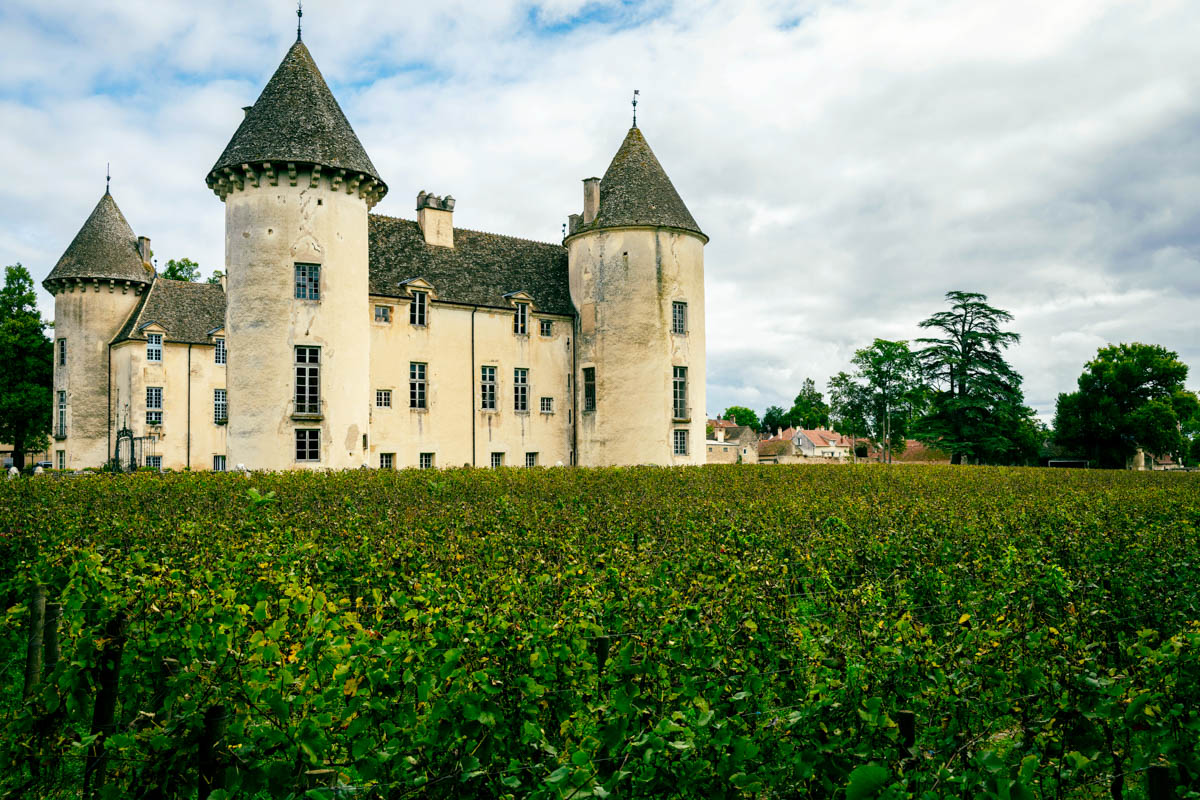
Chateau de Savigny-les-Beaune
Pommard
The most tannic and full-bodied reds of the Côte de Beaune. Pommard’s reputation was made partly because the name was easy for foreigners to pronounce — which helped its commercial standing but doesn’t fully explain its quality, which is genuine in the best parcels.
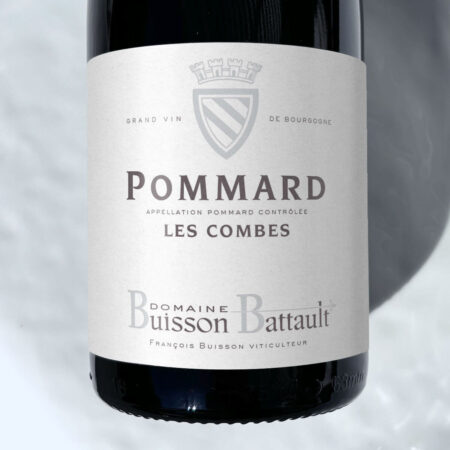
François Buisson of Domaine Buisson-Battault makes one red wine — a Pommard from the lieu-dit Les Combes. His maternal family is from Pommard. The fruit comes from the upper village section of the lieu-dit, separated from Premier Cru land by a single vineyard road. This is not a wine he makes for commercial reasons. It is a wine he makes because his family has always made it.
Saint-Romain
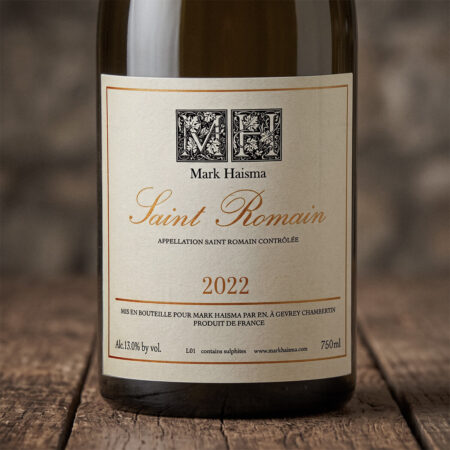
Saint-Romain is a small village tucked into a valley between Volnay and Meursault, with a ruined medieval castle above the vineyards that makes it one of the more dramatic settings on the Côte de Beaune. Mark Haisma farms the lieu-dit Le Jarron here — a white wine of real freshness and precision that consistently overperforms at its price. Worth seeking out for anyone building a Burgundy list who wants something specific and relatively unknown.
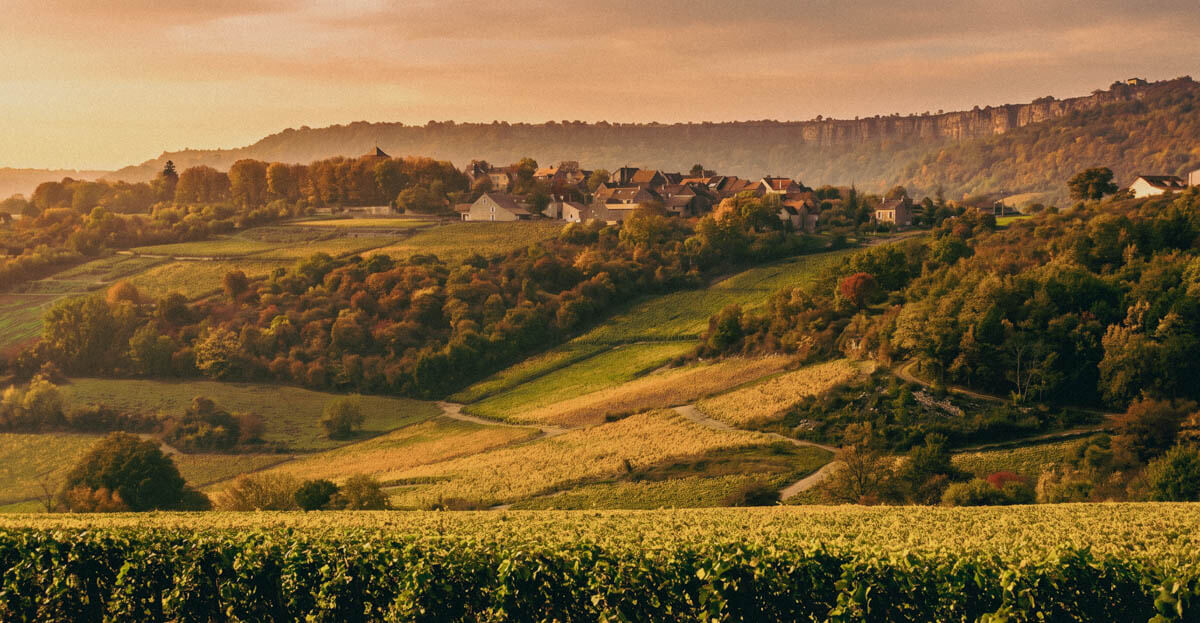
Saint-Romain
Where to start
If you’re new to the Côte de Beaune and not sure where to begin, start with Meursault. The Buisson-Battault Bourgogne Blanc at $52 is the most accurate introduction to what Meursault terroir tastes like without the Premier Cru price. From there, the Vieilles Vignes. From there, whichever Premier Cru appeals.
For red, Le Grappin’s Aux Grandes Raies is the entry point — it was recently featured by Eric Asimov in the New York Times. The Boucherottes is the wine to open for someone who already knows Beaune. The Savigny Aux Fournaux is the wine to open for someone who thinks they know everything the Côte de Beaune has to offer.
For a full overview of villages, appellations, and producers, see our Côte de Beaune guide.