


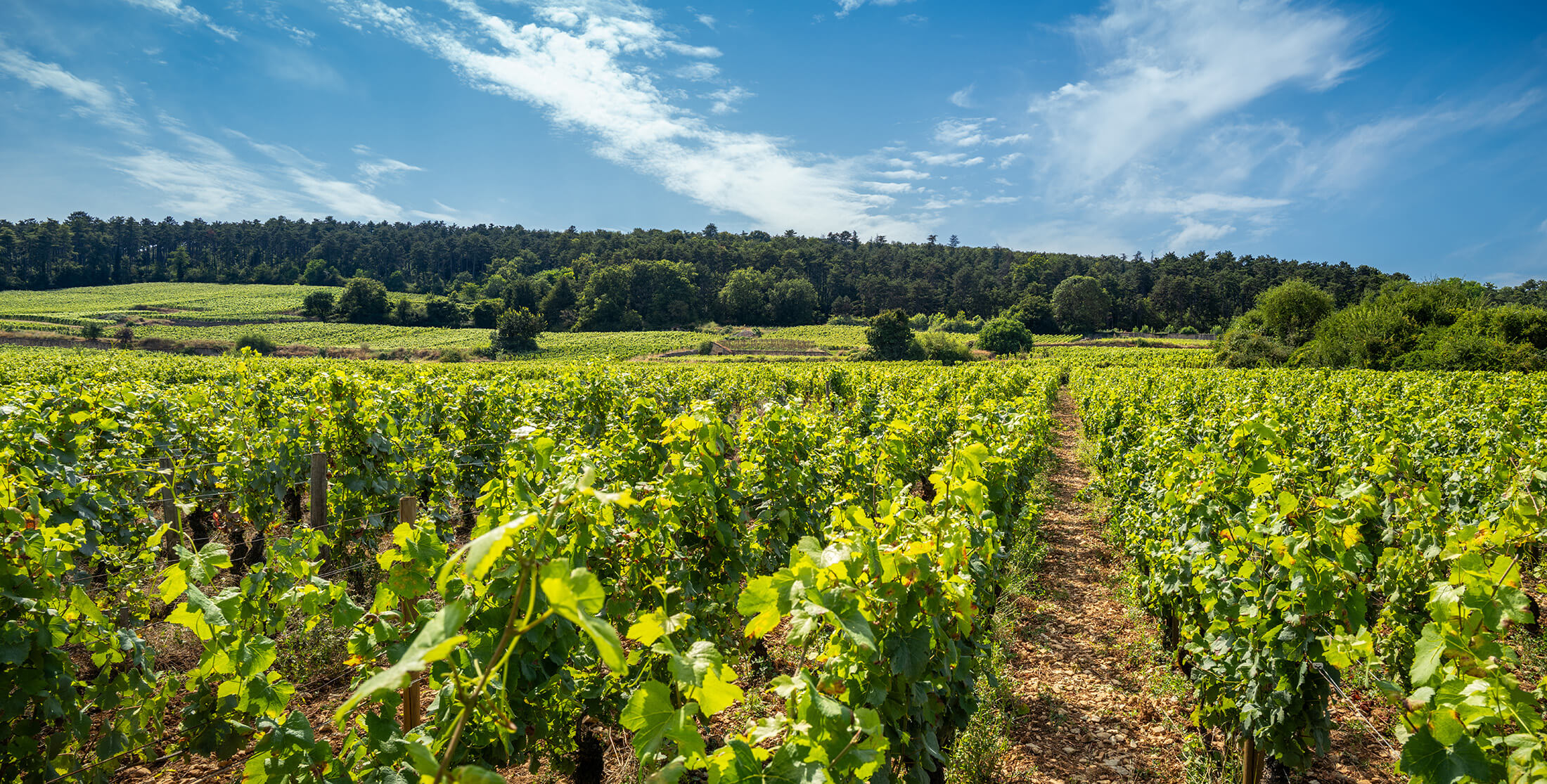
Gevrey-Chambertin is the largest village in the Côte de Nuits and one of its best known. It has nine Grand Crus, more than any other village in Burgundy, and every wine is red Pinot Noir. Two of the winemakers we work with have their wineries here: Mark Haisma and Domaine Charlopin-Tissier. A third, Domaine Amiot et Fils, is next door in Morey-Saint-Denis and makes Gevrey wines too, including the Premier Cru Les Combottes, which sits at the southern edge of the village between three Grand Crus.
A short history of Gevrey-Chambertin
The village is about 15 kilometers south of Dijon, on the Route des Grands Crus. Archaeologists have found vines here dated to the 1st century BCE. In the 7th century, the monks of Bèze founded the Clos de Bèze, one of the oldest recorded vineyards in Burgundy. Folklore says the neighboring Chambertin took its name from a man named Bertin, whose field, the “champ de Bertin,” sat next to the monks’ vineyard.
Napoleon is said to have drunk little else. His valet’s memoirs say the Emperor drank only Chambertin, and rarely undiluted. Until 1847, the village was called Gevrey-en-Montagne. That year a royal decree let it add the name of its most famous vineyard. The appellation was classified in 1936, and the Grand Crus in 1937.
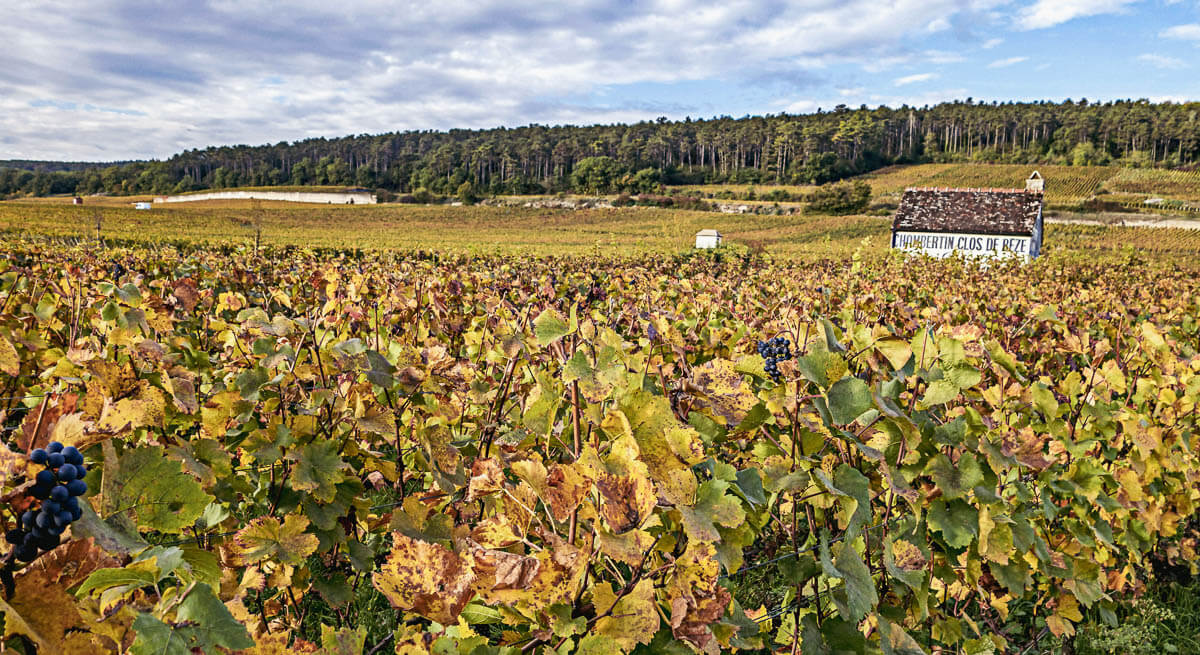
Autumn in the vineyards of Gevrey-Chambertin, Clos de Bèze.
The soils
A deep ravine, the Combe de Lavaux, cuts through the slope at the edge of the village. Over centuries it washed rock and soil out across the land below, forming a fan that reaches two or three kilometers into the plain. Much of the village-level vineyard sits on this fan, on light, well-drained soils of limestone and clay with gravel.
The Premier Crus on the hillside to the north sit on marls mixed with red clay. The Grand Crus run in a band south of the village, between about 260 and 340 meters, on limestone and marl. Below the Route des Grands Crus, the soils get deeper and clayier, and that is where the village wines come from. East of the main road, on the plain, the soils are deep and red, and the wines are not as good.
The vineyards
There are about 400 hectares of vines across Gevrey-Chambertin and neighboring Brochon. Nine are Grand Crus: Chambertin, Chambertin-Clos de Bèze, Chapelle-Chambertin, Charmes-Chambertin, Griotte-Chambertin, Latricières-Chambertin, Mazis-Chambertin, Mazoyères-Chambertin, and Ruchottes-Chambertin. There are 26 Premier Cru climats, including Clos Saint-Jacques and Les Cazetiers on the hillside.
Les Combottes, also written Aux Combottes, is a Premier Cru of about 4.5 hectares, enclosed by three Grand Crus: Latricières-Chambertin, Mazoyères-Chambertin, and Clos de la Roche. The name comes from the combe, a hollow in the hillside. It sits where Gevrey-Chambertin meets Morey-Saint-Denis. For more on the villages around it, see our Côte de Nuits guide.
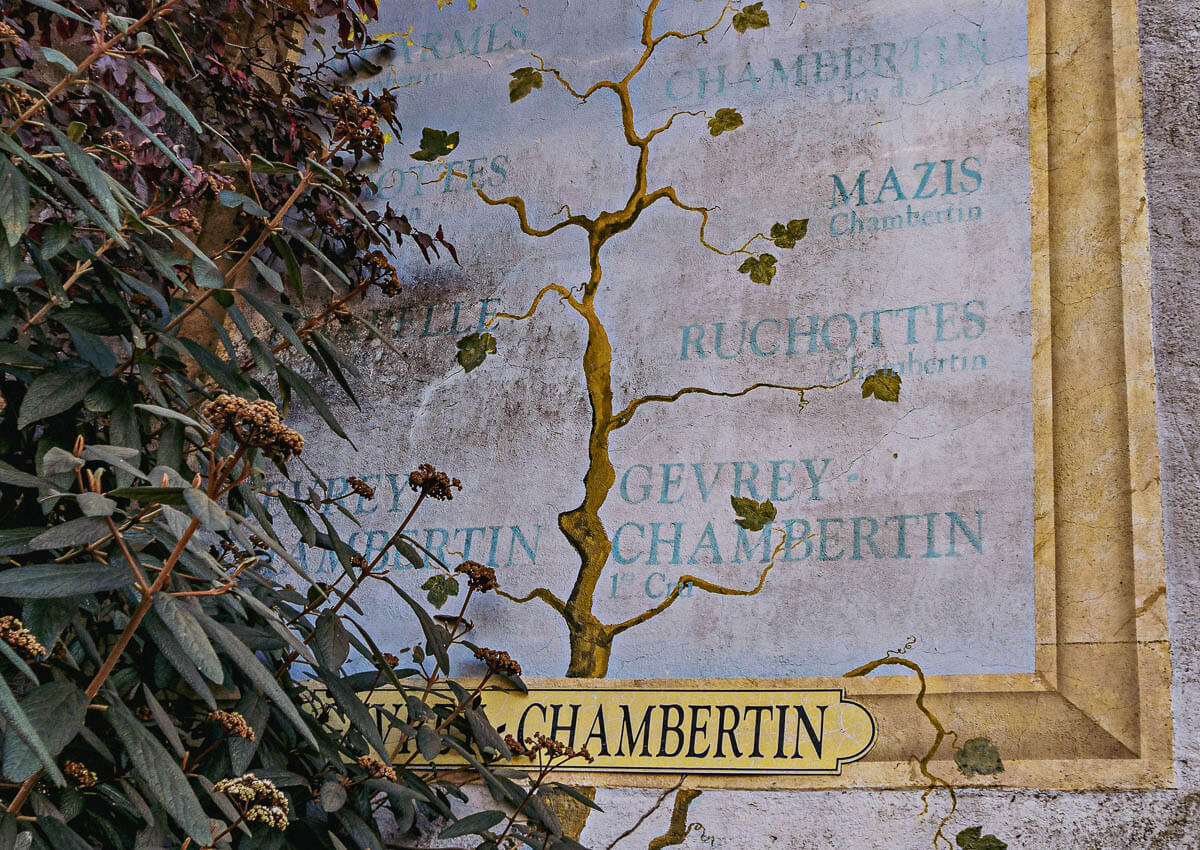
A painted wall in Gevrey-Chambertin lists the names of the village’s Grand Crus.
Gevrey-Chambertin winemakers we work with
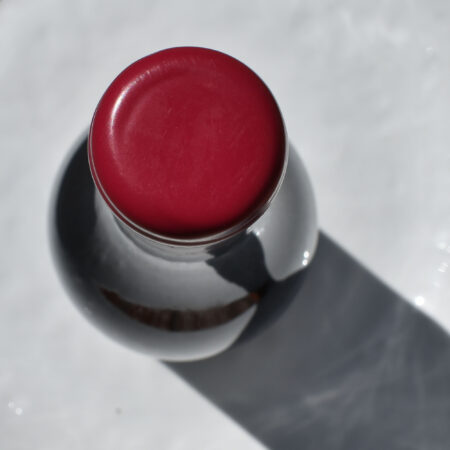
Charlopin-Tissier. Yann Charlopin and Justine Tissier founded the domaine in 2013, starting in Marsannay, and now have their winery in Gevrey-Chambertin. Yann trained with Jean-Marie Fourrier, and his father, Philippe Charlopin, studied under Henri Jayer. The vineyards are farmed organically. The grapes are fully destemmed and cold-macerated, then fermented with native yeasts and without intervention, and the wines age in Burgundy barrels. Every bottle gets a wax capsule applied by hand.
Mark Haisma arrived in Gevrey-Chambertin in 2007, after ten years at Yarra Yering in Victoria, Australia. He sorts the fruit carefully, ferments slowly in large concrete tanks with very little pumping over, and often punches down by foot. In his village Gevrey-Chambertin he uses 50 to 60% whole clusters and two- to four-year-old oak, and he makes the wine for brightness over weight.
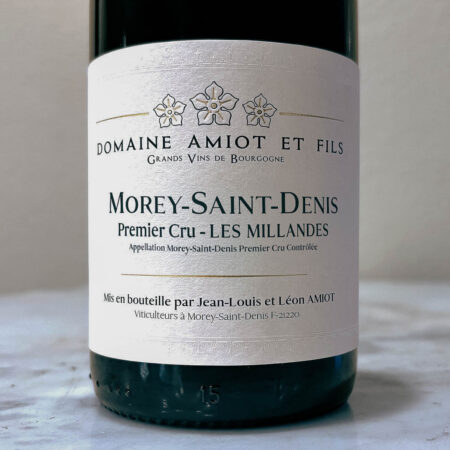
Domaine Amiot et Fils has its winery in Morey-Saint-Denis, next to Gevrey. Jean-Louis and Léon Amiot make Les Combottes and other Gevrey-Chambertin wines, including a village Gevrey-Chambertin and Charmes-Chambertin, which we don’t have in stock right now. The grapes are picked by hand and fermented with indigenous yeasts, and the wines are neither fined nor filtered. They age 16 to 18 months in oak. The Guide Hachette des Vins named them Vigneron de l’Année 2026 for Burgundy, praising the regularity, precision, and depth of their Pinot Noirs.
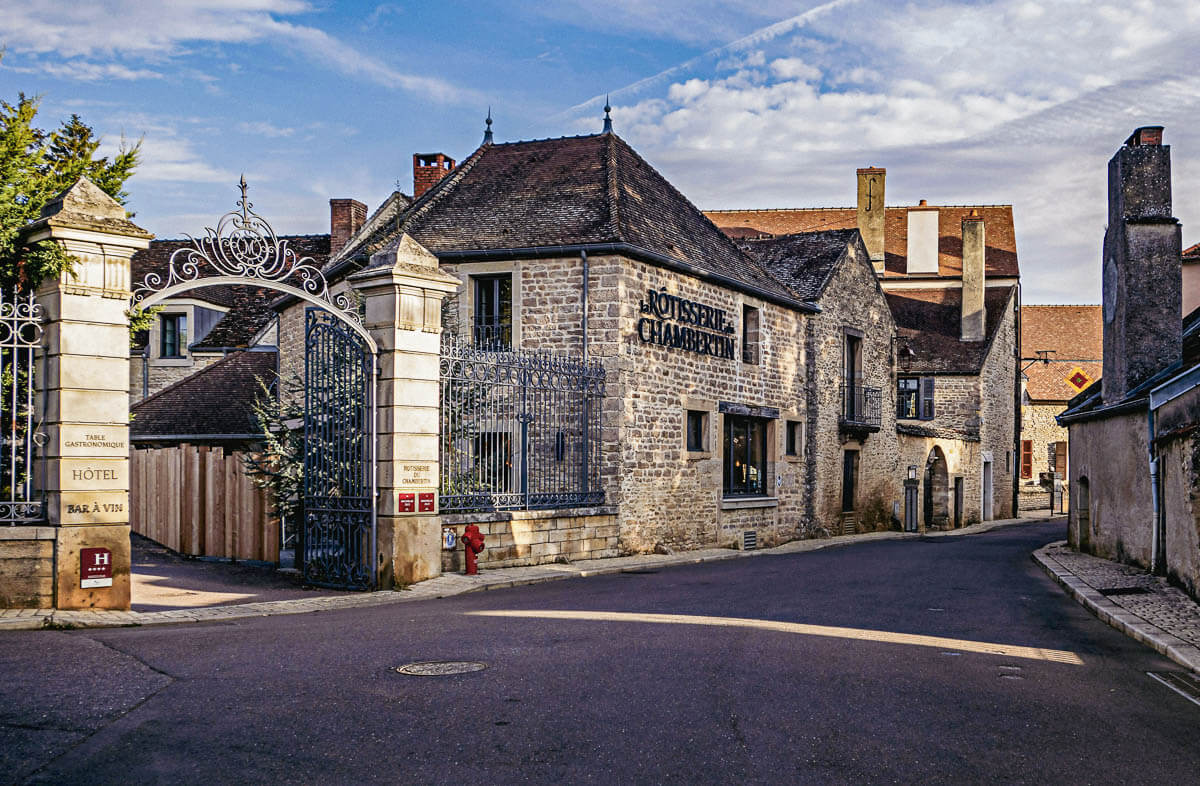
A favorite lunch spot, Rôtisserie du Chambertin in the village of Gevrey-Chambertin.
Gevrey-Chambertin we carry
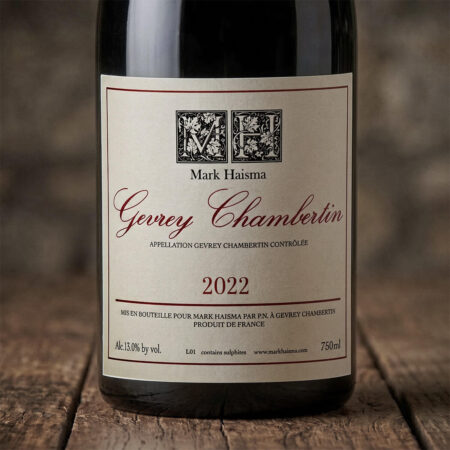
Mark Haisma Gevrey-Chambertin
A village wine from three parcels: La Justice, Croix des Champs, and En Pallud, blended to show the village. It is 50 to 60% whole cluster, fermented slowly in concrete, and aged 12 months in two- to four-year-old oak. Mark describes what he wants from it as “brightness.” Mark also makes a Premier Cru from Fonteny, a vineyard beside the Grand Cru Ruchottes-Chambertin in very small quantities.
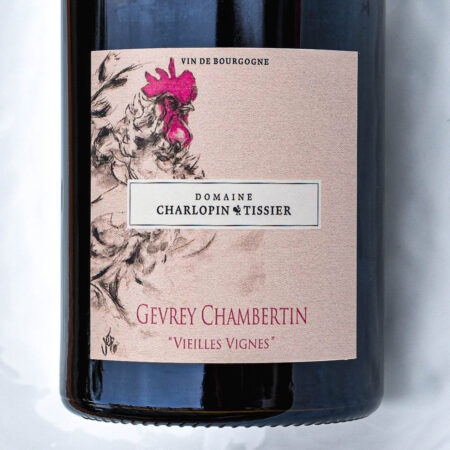
Charlopin-Tissier Gevrey-Chambertin Vieilles Vignes
From two plots with vines more than 85 years old: Les Marchais, which faces east across from Clos Saint-Jacques, and En Vosne, east of the Route des Grands Crus. The soil in both is clay and limestone. The grapes are fully destemmed and cold-macerated, then fermented with native yeasts. The wine ages in barrel, about half of them new. We have very little of it.
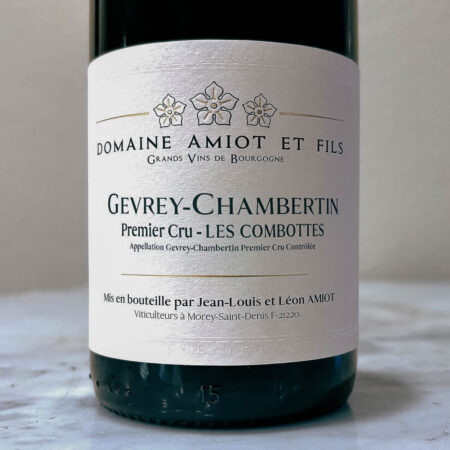
Amiot Gevrey-Chambertin Premier Cru ‘Les Combottes’
Amiot’s three plots in Les Combottes total 0.61 hectares. Two lie next to Latricières-Chambertin and one is at the southern end, near Clos de la Roche. The vines were planted from 1936, on limestone and marl with gravel and red silt. The slope faces east-southeast at 260 meters. The wine spends 16 to 18 months in oak, 33% new, and 2,800 bottles were made. Domaine Amiot et Fils was named Vigneron de l’Année 2026 for Burgundy by the Guide Hachette des Vins.
Next door: Clos de la Roche
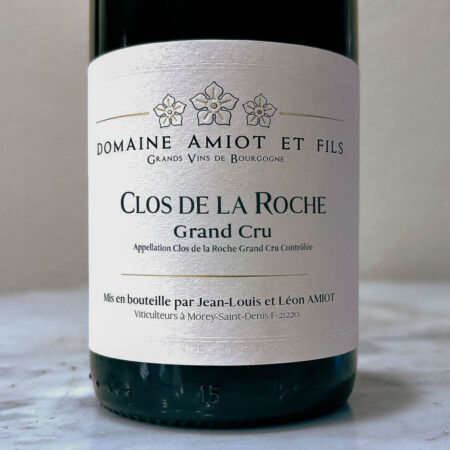
Clos de la Roche is not in Gevrey-Chambertin. It is the largest Grand Cru in Morey-Saint-Denis, a 16-hectare enclosure immediately south of Gevrey-Chambertin, separated from it by Aux Combottes. On its northern edge, it adjoins Gevrey’s Latricières-Chambertin. The soil is a thin layer of reddish silty clay over limestone. Amiot’s parcel covers three sites within the clos: Monts Luisants at the top, Fremières in the middle, and Les Chabiots at the bottom. The vines were planted between 1965 and 1982, and the 2022 earned three stars and a coup de cœur from the Guide Hachette des Vins.
Where to start
Start with the village wines: Mark Haisma’s Gevrey-Chambertin, then the Charlopin-Tissier Vieilles Vignes. If you want to see what a Premier Cru next to the Grand Crus is, try Les Combottes. Our Where to Start page has more suggestions.