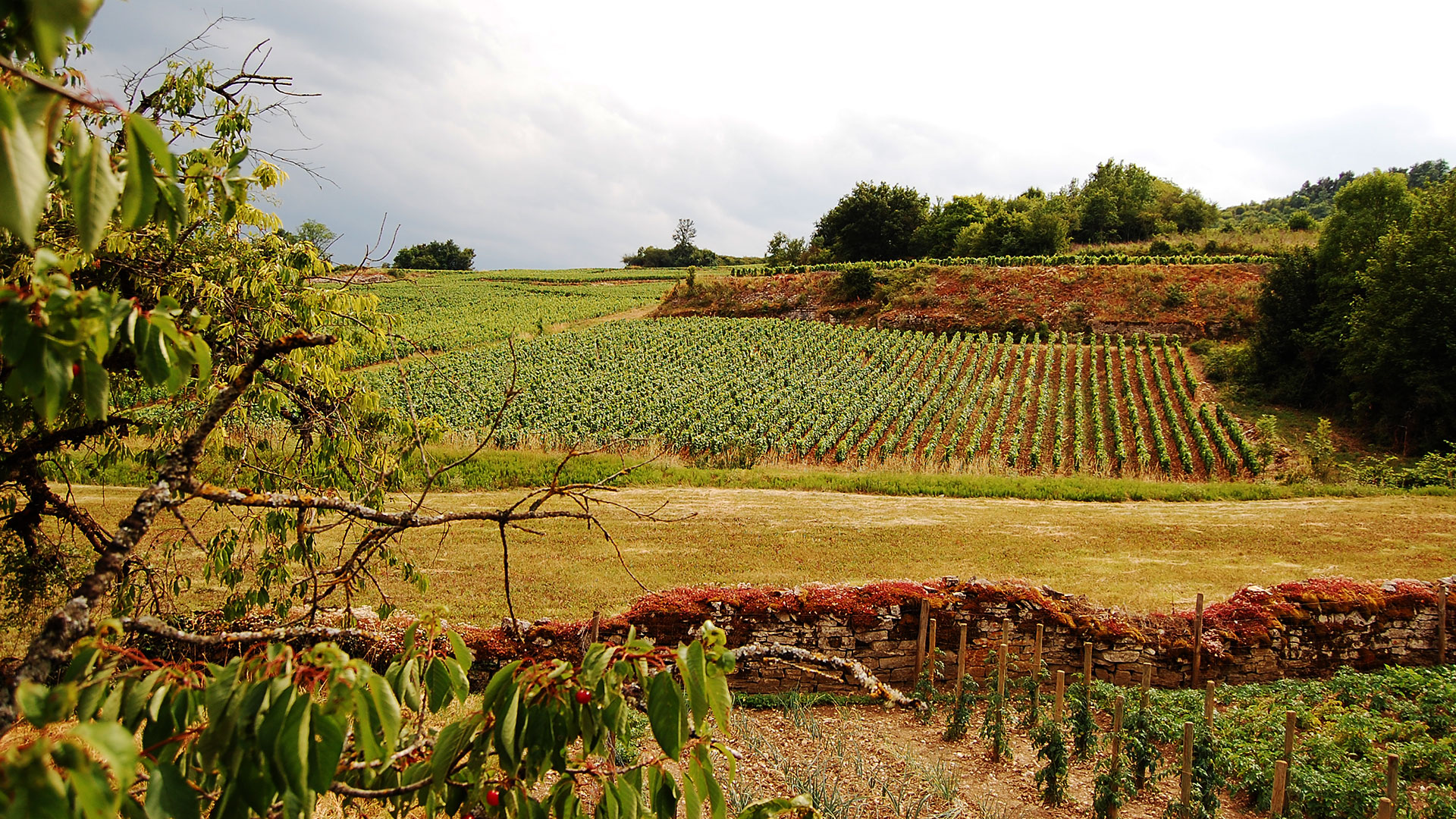
Burgundy’s famous villages are out of reach for most of us. The prices go up every year, and the best bottles are hard to find. But the Côte d’Or is bigger than its headlines, and some of the villages we like best are the ones people skip. These are four we keep coming back to.
Marsannay: the northern edge of the Côte de Nuits
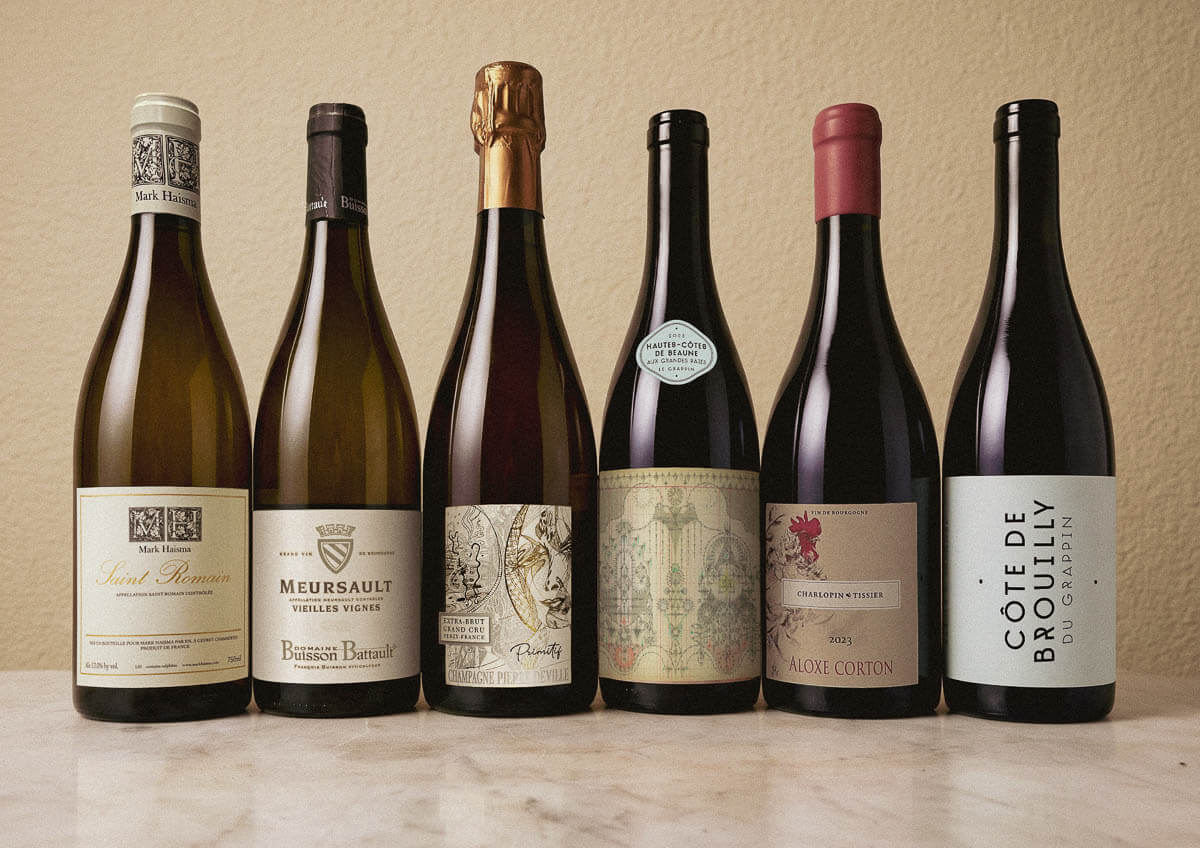
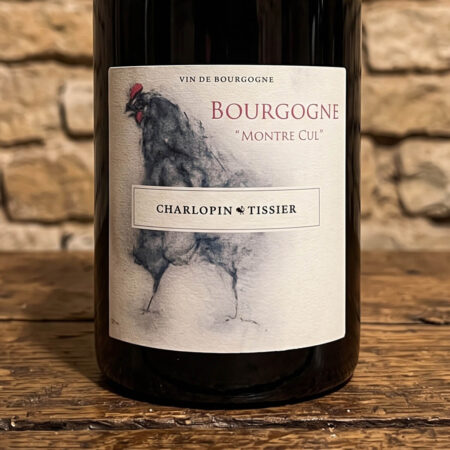
Marsannay is the northernmost village of the Côte de Nuits, just south of Dijon and not far from Gevrey-Chambertin. It makes red, white, and rosé under its own name, and it has no Premier Cru today. Several Marsannay lieux-dits are being considered for Premier Cru classification, including La Montagne, and Clos du Roy. Yann Charlopin and Justine Tissier brought two family holdings together in 2013. Yann is Philippe Charlopin’s son and was mentored by Jean-Marie Fourrier. They farm organically and do not filter the wines. Montre Cul is a vineyard in Marsannay, labeled Bourgogne Rouge. It is a good place to start. The Côtes de Nuits-Villages appellation covers the villages at both ends of the Côte de Nuits. Yann Charlopin sources from Brochon, directly north of Gevrey-Chambertin: 2022 Côtes de Nuits-Villages. Before you move up to Gevrey or Chambolle, Marsannay is a good way to get to know the Côte de Nuits.
For the full lineup, see our Côte de Nuits guide.



Pernand-Vergelesses and Saint-Romain: the quiet side of the Côte de Beaune
Pernand-Vergelesses sits in a side valley behind the Hill of Corton, between Aloxe-Corton and Savigny-lès-Beaune. It makes red and white, and part of the Corton-Charlemagne hillside lies within the village. Mark Haisma makes Les Pins (red) and the Premier Cru En Caradeux (white). Charlopin-Tissier makes the Premier Cru Sous Frétille.
Saint-Romain is a short drive away, in the hills above Meursault. It is a small appellation, mostly white, and it is one of the best ways into white Burgundy. Haisma’s Le Jarron is the one we pour most often.
More on both in our Côte de Beaune guide.
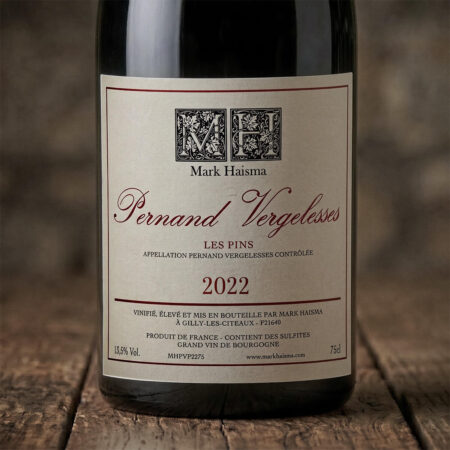
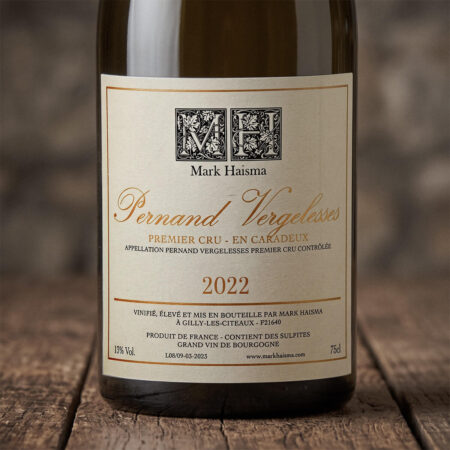
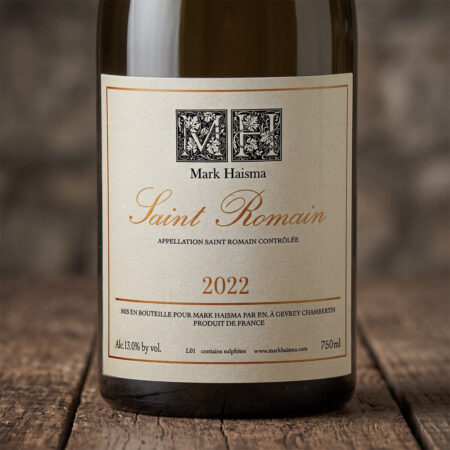

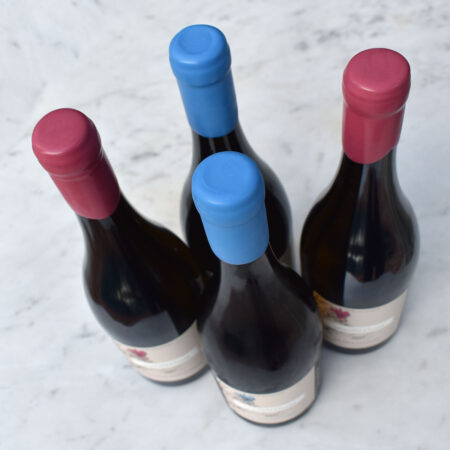
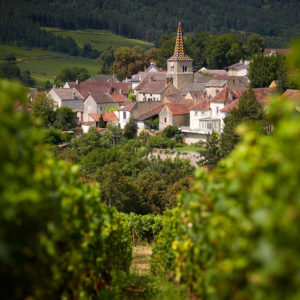
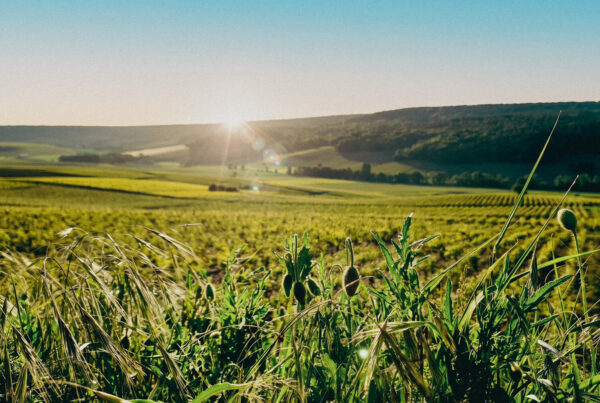
Pernand-Vergelesses, behind the Hill of Corton.
Vézelay: white Burgundy from the Yonne
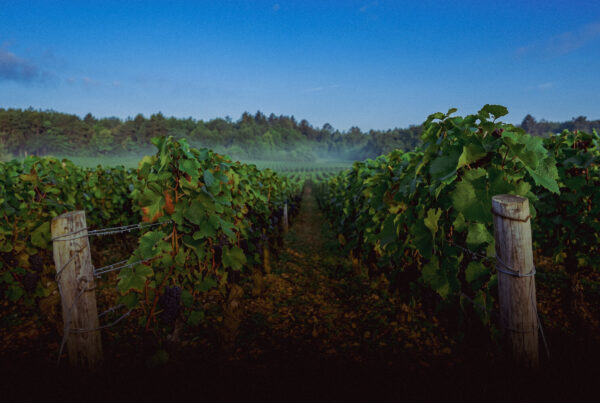
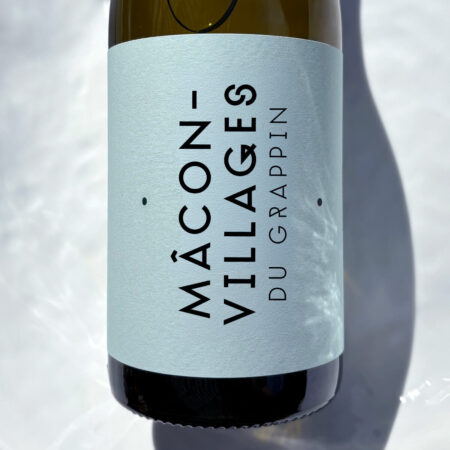
Vézelay is a small appellation in the northern Yonne, outside both Chablis and the Côte d’Or. The vineyards sit on Kimmeridgian limestone, a seabed formation about 155 million years old that is full of fossilized oysters. Du Grappin’s Vézelay Blanc comes from the Merlutte vineyard, with 35-year-old Chardonnay vines in a sunny spot at moderate altitude. One-third is fermented in a large old oak foudre and two-thirds in a concrete egg, then aged 12 months on full lees. It is the white we recommend most often by the glass.

Hautes-Côtes de Beaune: the hills behind the slope
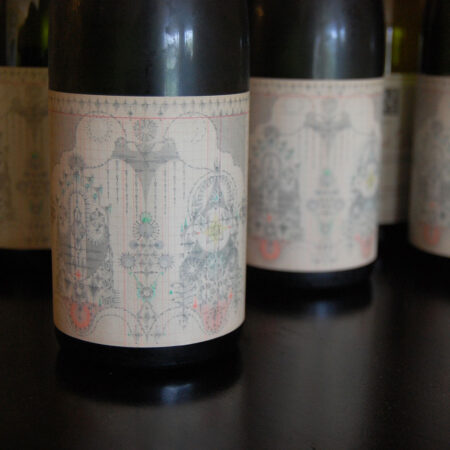
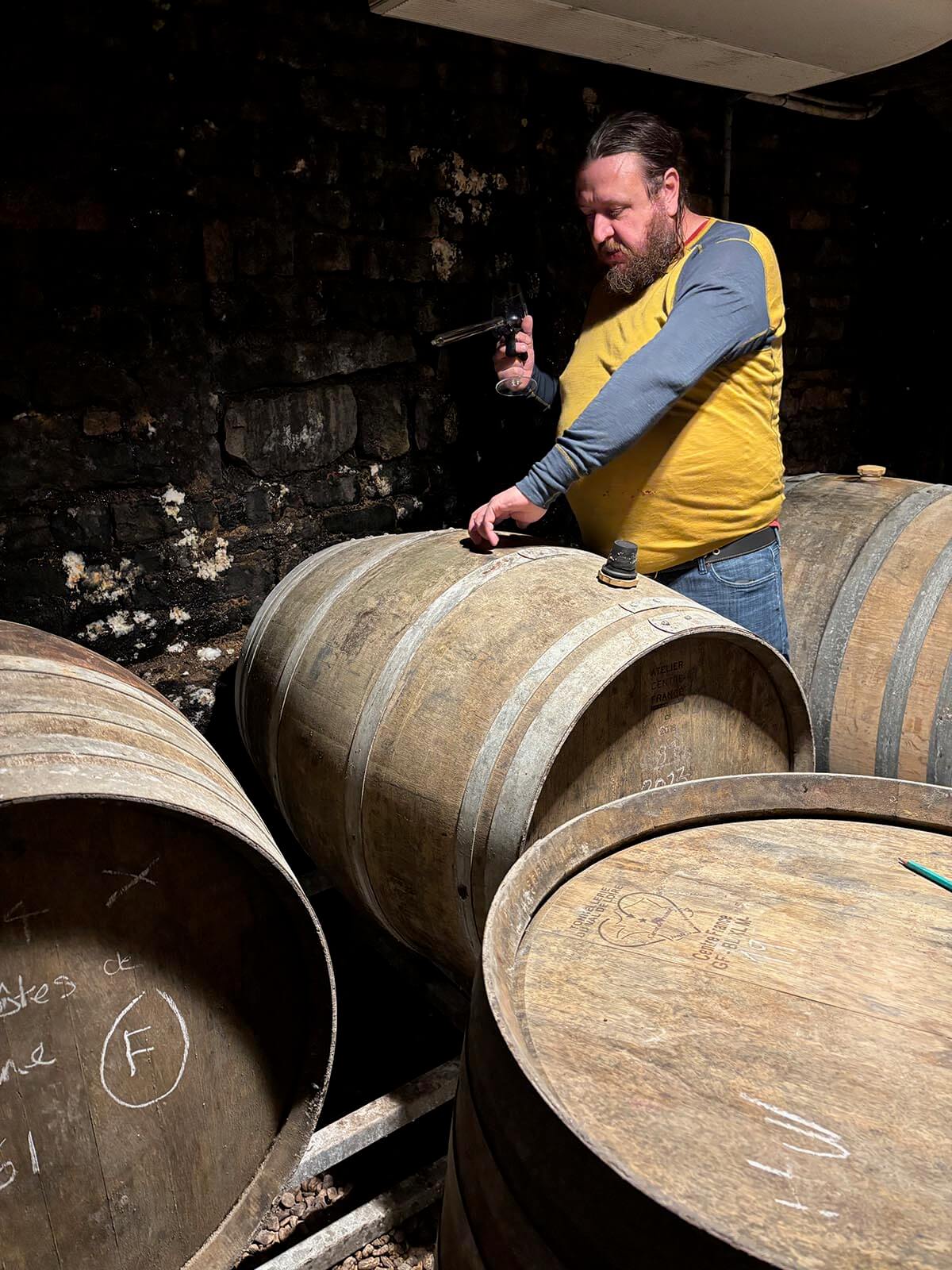
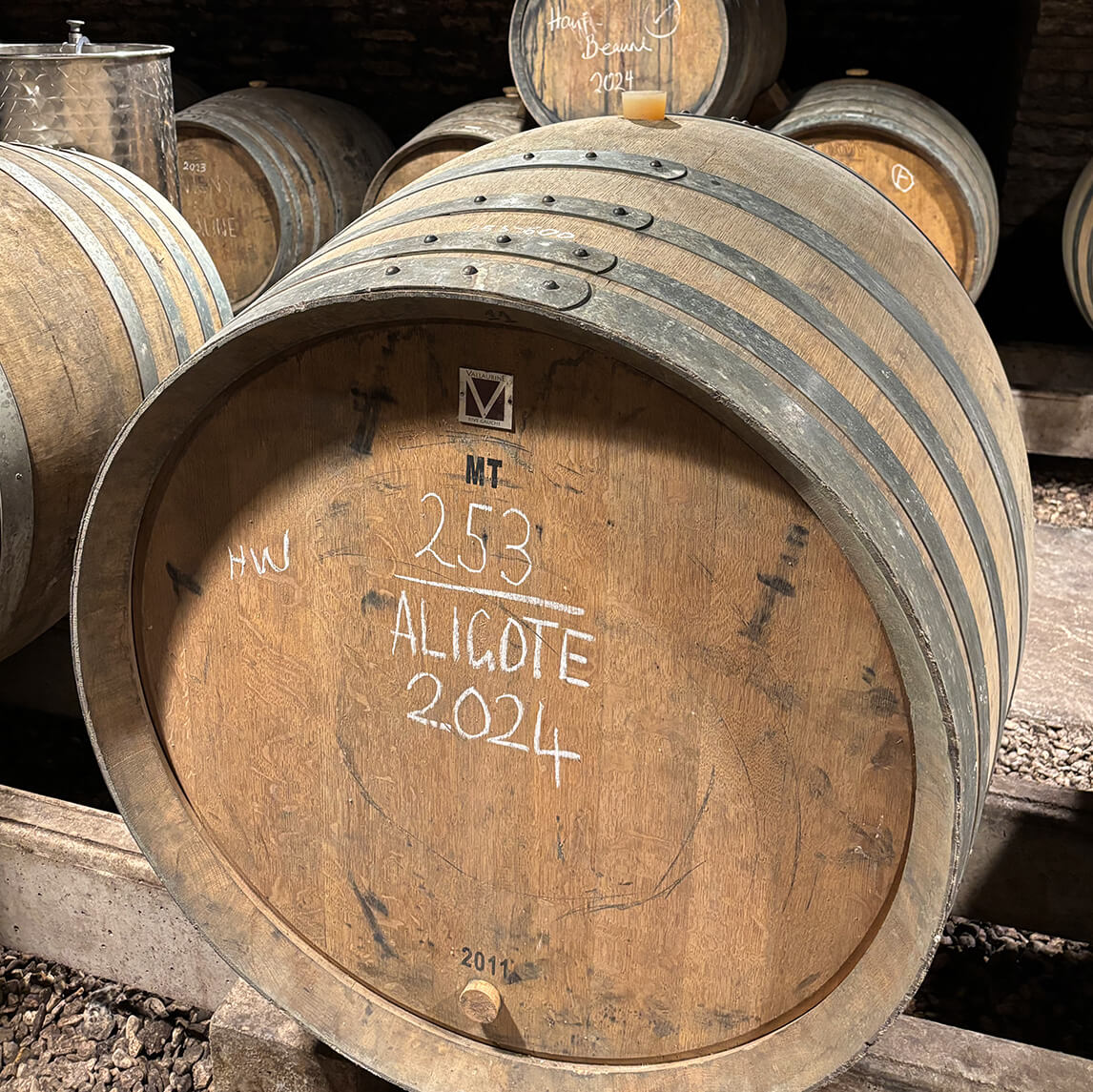
Andrew and Emma Nielsen founded Le Grappin in 2011 to make wine from overlooked parcels in the Côte de Beaune that deserve the same attention as the famous villages around them. The Hautes-Côtes de Beaune sit in the hills behind the main slope, higher up and farther from the famous names. Their Aux Grandes Raies comes from here, and it is one of the lower-priced red Burgundies we carry. Aligoté, Burgundy’s other white grape, does well in these hills too. Du Grappin’s Bourgogne Aligoté is a good white to open with.

Where to start
If you only try one, pick the village that matches what you already drink. For red, start with a Marsannay. For white, start with Saint-Romain or Vézelay. If you would like help choosing, our Where to Start page walks through it.