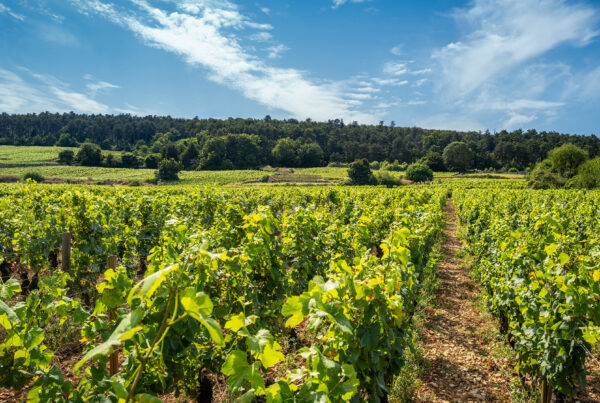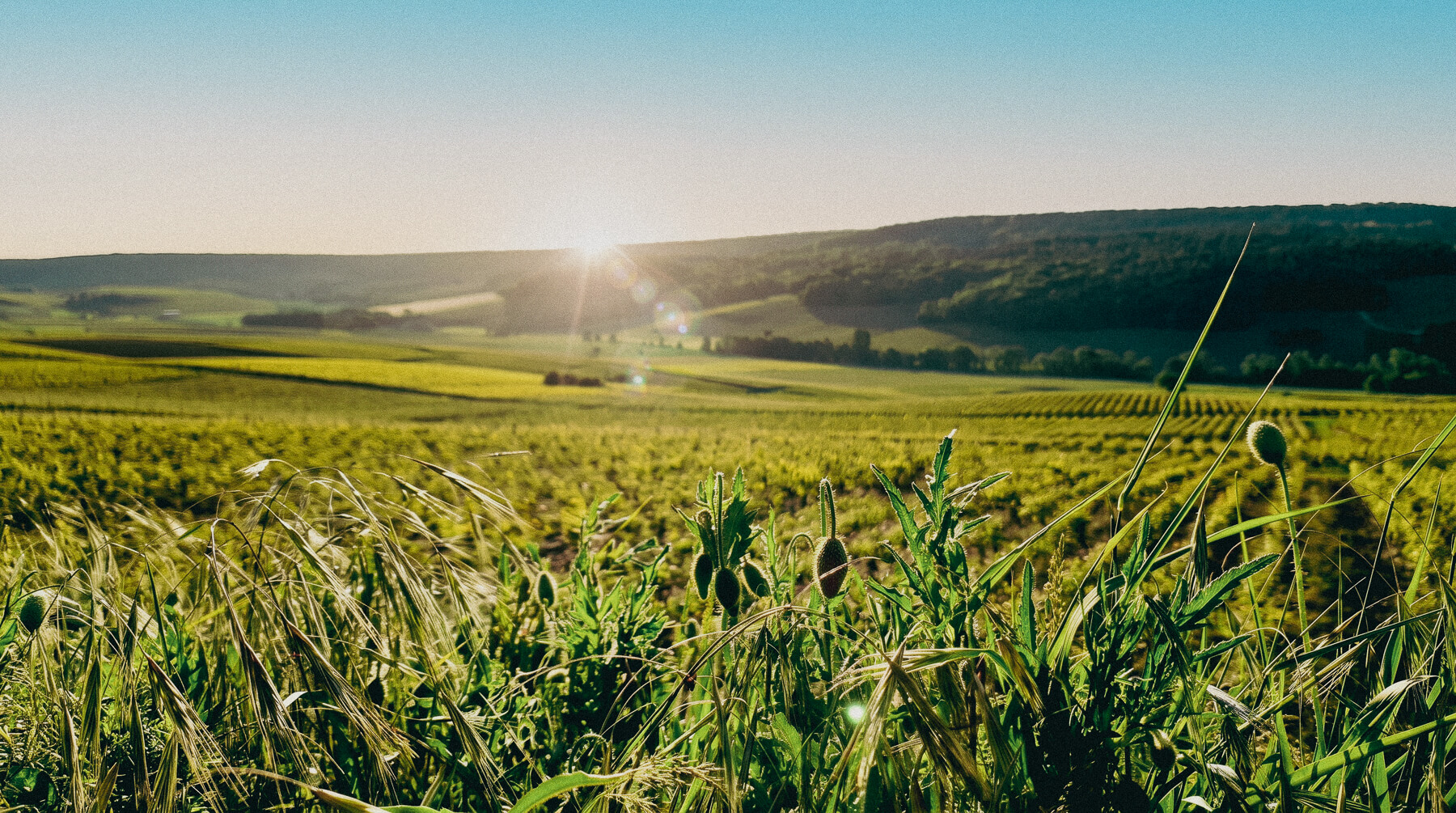
Most people who drink Champagne drink house Champagne — Moët, Veuve Clicquot, Bollinger, Krug. These are wines made by large négociant houses that buy grapes from hundreds of growers across the region, blend them across villages and vintages, and produce millions of bottles of consistent, recognisable wine every year. The system is efficient, the wines are reliable, and the brands are among the most recognised in the world. Grower Champagne works differently.
What is a grower Champagne producer?
A grower is a producer who farms their own vines and makes their own wine under their own name. They don’t buy grapes from other growers. They don’t blend across hundreds of villages to achieve a consistent house style. They make wine from what they grow, where they grow it, in the way they choose to grow it.
The result is wine that tastes like somewhere specific rather than like a brand. A grower Champagne from Grand Cru Verzy tastes different from one made in Premier Cru Mareuil-sur-Aÿ — not because the winemaker chose different flavours but because the terroir, the soil, the microclimate, and the grape varieties are genuinely different. That specificity is what makes grower Champagne so interesting.
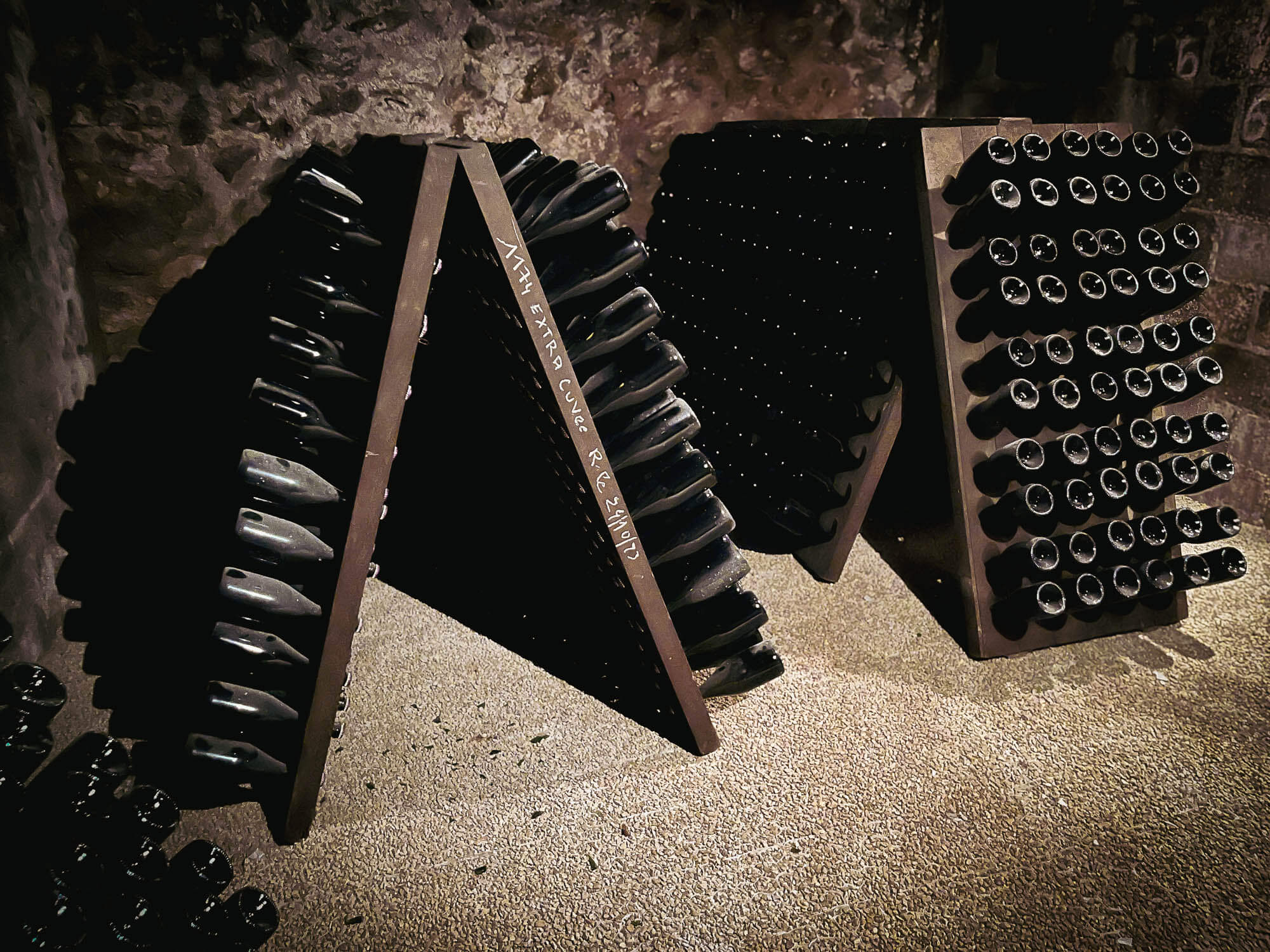
Riddling racks in the Pascal Lejeune cellar — Moussy, Coteaux Sud d’Épernay
Why Champagne is changing
Champagne is evolving faster than almost any other wine region in France right now. A generation of younger growers — many of them the children or grandchildren of families who sold their fruit to the big houses for decades — are bottling their own wine, farming organically and biodynamically, experimenting with single-plot vinification, extended lees ageing, and zero dosage. The results are wines of extraordinary specificity and character that the house Champagne model cannot replicate.
The contrast between a generic non-vintage house Champagne and a grower Champagne from a single parcel of old vines on Grand Cru chalk is as stark as the contrast between a supermarket Burgundy and a Grand Cru from a family who has farmed the same slope for generations. Same grape, same region, completely different wine.
There is so much to explore here — and most of it is still underpriced relative to its quality because the big house names carry the marketing weight that smaller growers cannot match. That gap between quality and price is closing, but slowly. Right now is one of the best moments to discover this world before it does.
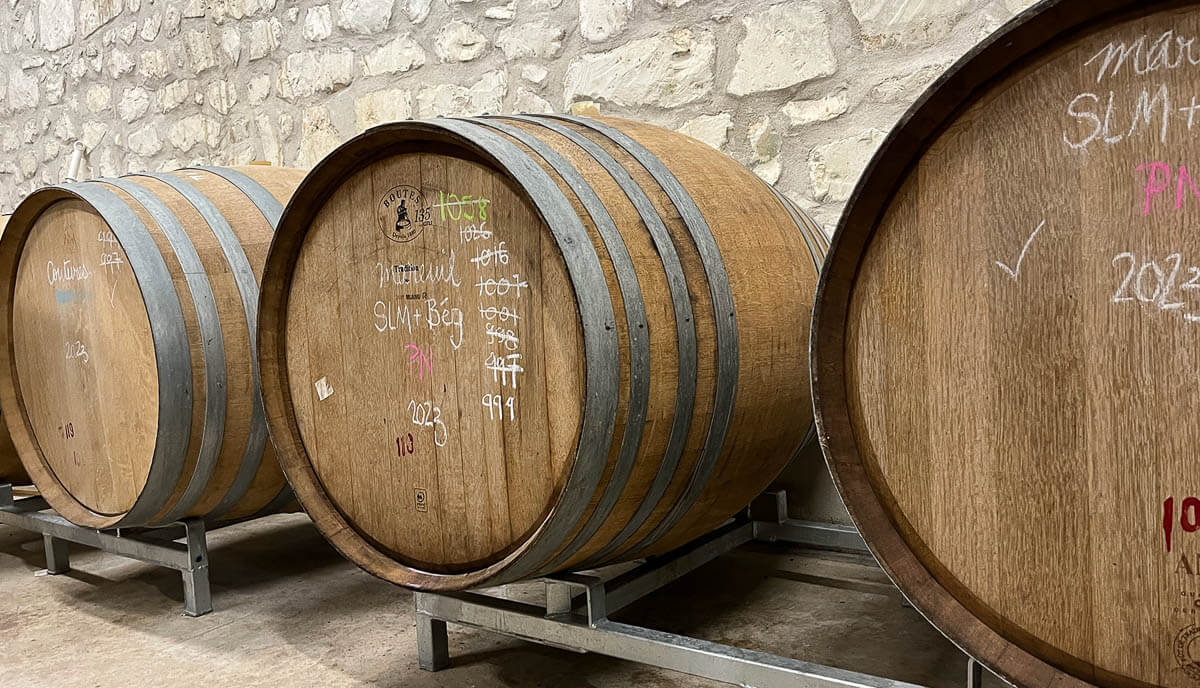
Old oak barrels in the Antoine Bouvet cellar — Mareuil-sur-Aÿ, Champagne
The geography
Champagne is divided into several distinct sub-regions, each with its own soil type, climate, and grape variety strengths. Understanding where a wine comes from is the fastest way to understand what it will taste like.
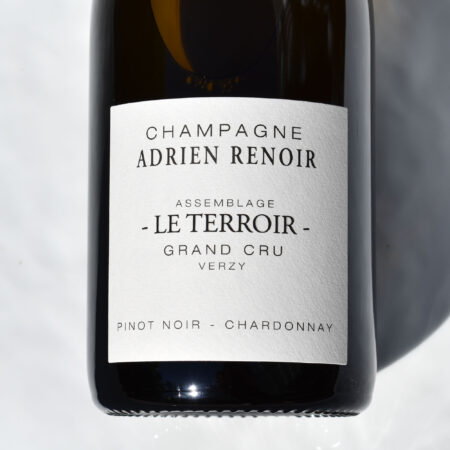
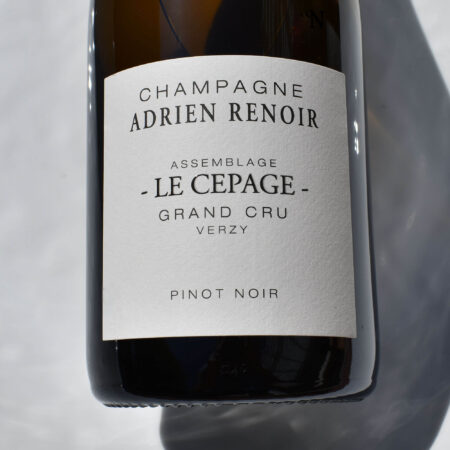
Montagne de Reims — the forested plateau south of Reims, with its chalk-rich slopes producing some of the finest Pinot Noir in Champagne. The Grand Cru villages here include Verzy, Verzenay, Mailly, Ambonnay, and Bouzy. The elevation and the chalk give the wines an unusual mineral tension and structure for a region famous for delicacy. Two of the producers we work with — Pierre Deville and Adrien Renoir — both farm in Verzy.
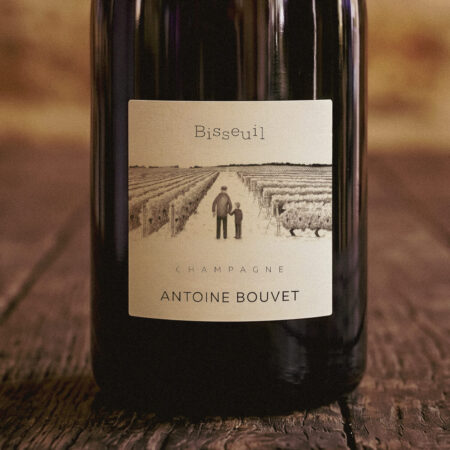
Vallée de la Marne — the river valley running east-west through the heart of Champagne. Pinot Meunier dominates the heavier clay soils of the western Marne, while Premier Cru villages like Mareuil-sur-Aÿ and Bisseuil on the Grande Vallée de la Marne produce more structured wines from chalk-dominant soils. Antoine Bouvet and Hélène Charbaut both farm here — their vineyards sometimes adjacent in the same Premier Cru plots.
Côte des Blancs — the south-facing slope south of Épernay, almost exclusively planted with Chardonnay on pure chalk soils. Home to the Grand Cru villages of Cramant, Avize, Oger, and Le Mesnil-sur-Oger. The source of the greatest Blanc de Blancs Champagnes in the world.
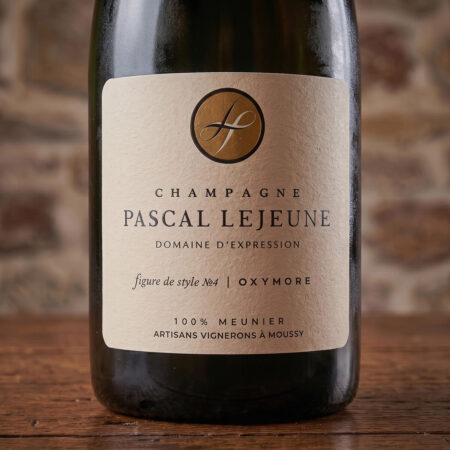
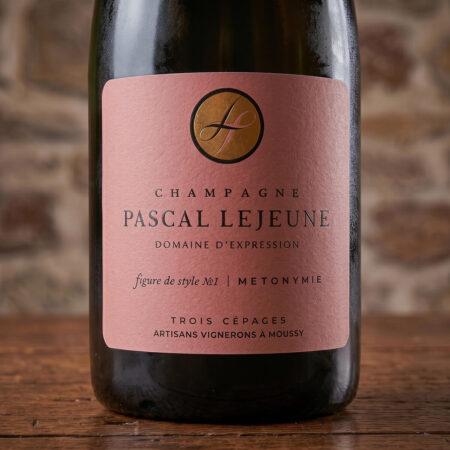
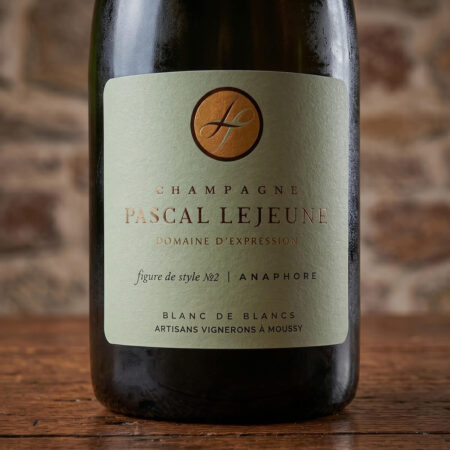
Coteaux Sud d’Épernay — the south-facing slopes on the left bank of the Marne south of Épernay. A distinct terroir from both the Marne valley and the Côte des Blancs — clay, silt, and marl limestone soils producing wines of particular freshness and texture. Pascal Lejeune farms here — among the first producers in Champagne to plant cover crops between vine rows.
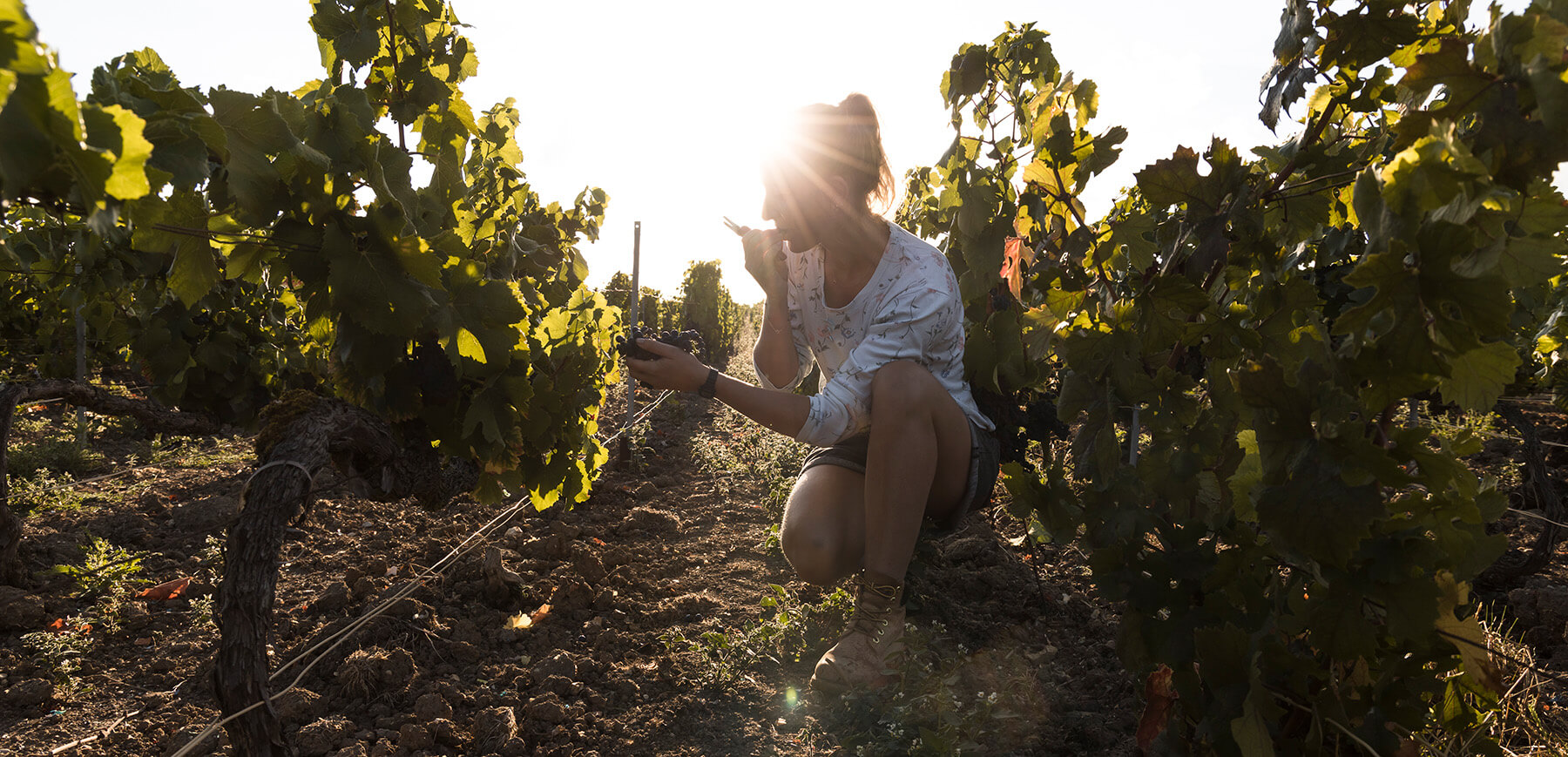
Hélène Charbaut in the vineyard — Mareuil-sur-Aÿ, Premier Cru Champagne
What to look for on the label
Dosage — the small addition of sugar made to Champagne after disgorgement, measured in grams per litre. All grower Champagnes on the Amitié list are zero dosage or extra brut — the lower the dosage the more directly the terroir speaks:
- Brut Nature / Zero Dosage — 0–3g/l, no added sugar
- Extra Brut — 0–6g/l
- Brut — 0–12g/l (the most common house style)
- Extra Sec — 12–17g/l
- Demi-Sec — 32–50g/l
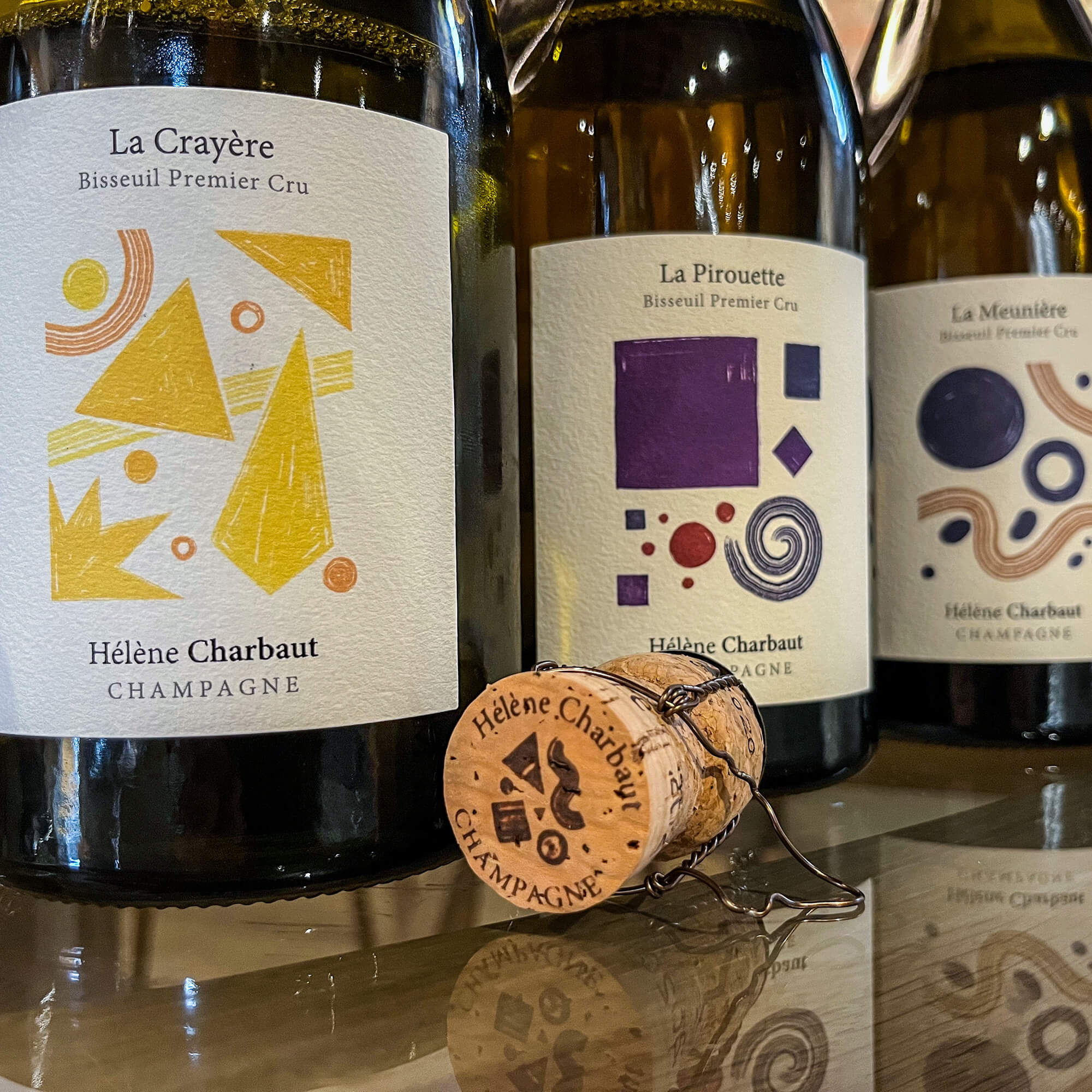
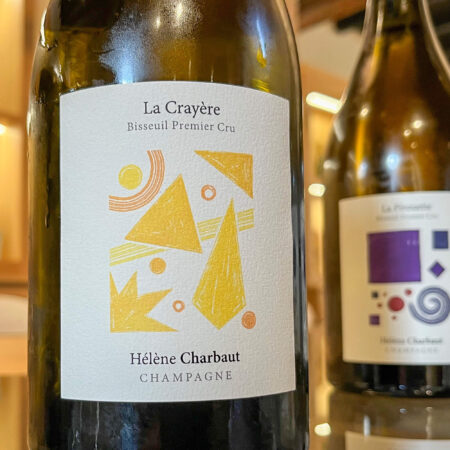
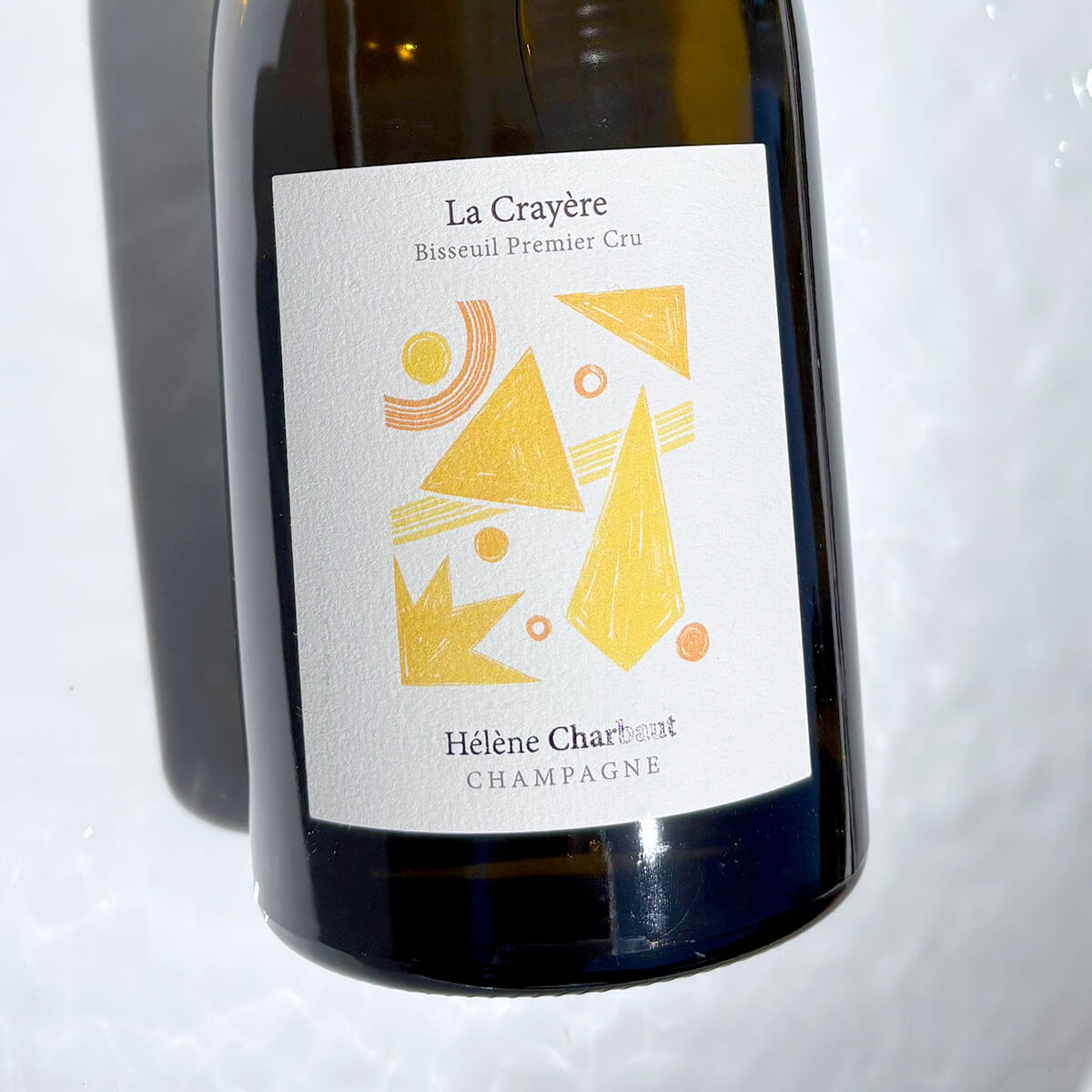
Blanc de Blancs — made exclusively from Chardonnay. Typically more mineral, more precise, more age-worthy than blended Champagnes. La Crayère from Hélène Charbaut is one of the finest expressions of this style we carry.
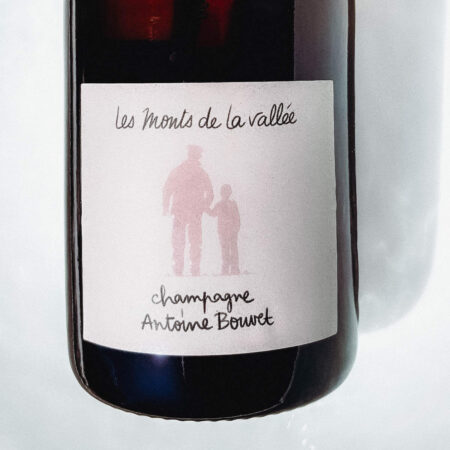
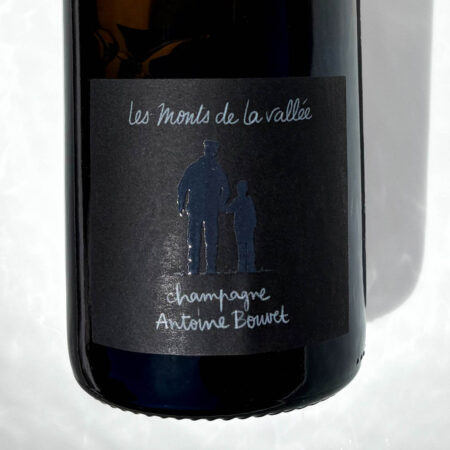
Blanc de Noirs — made from red grapes (Pinot Noir and/or Meunier) vinified as white wine. Fuller-bodied, more structured, often more complex. Les Monts de la Vallée Blanc de Noirs from Antoine Bouvet is 100% Pinot Noir from three villages.
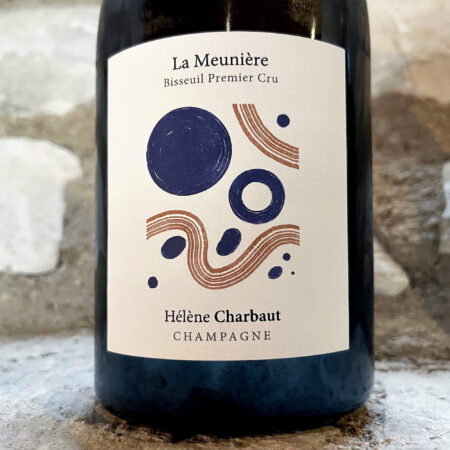
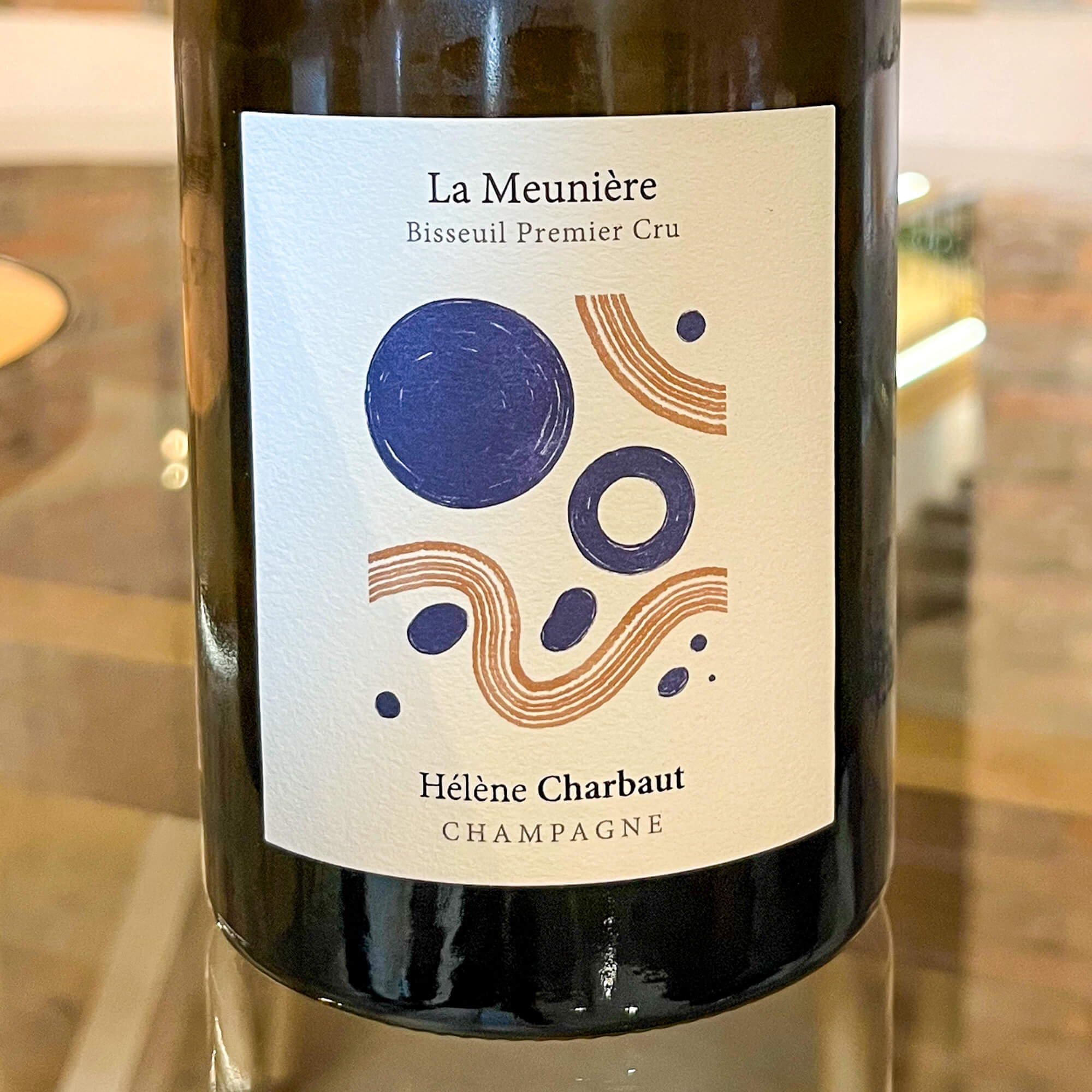
Blanc de Meunier — made exclusively from Pinot Meunier. Rare. La Meunière from Hélène Charbaut — 100% Meunier from a single plot in Bisseuil planted in 1999 on chalk-dominant soils — is one of the most distinctive expressions of the variety in Champagne.
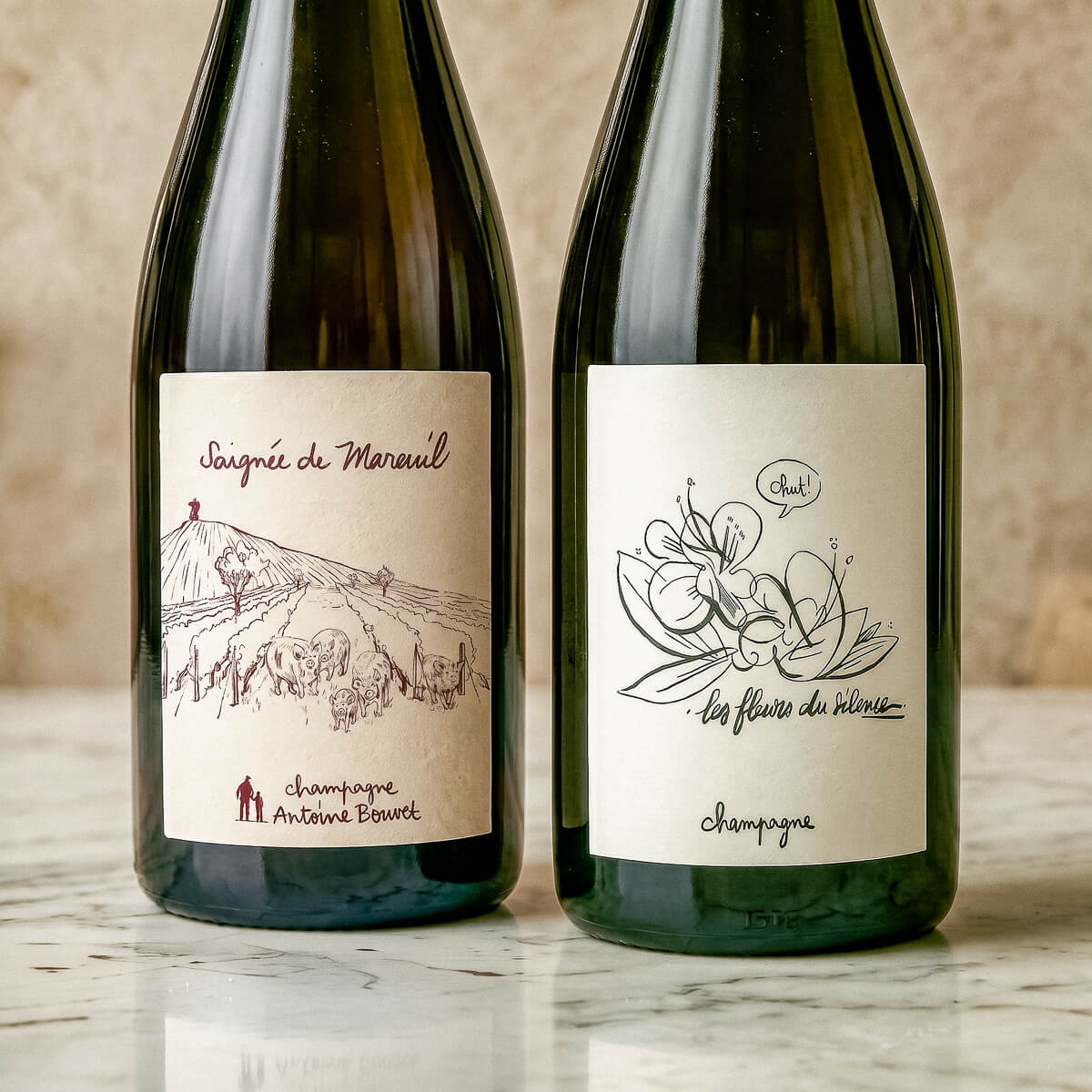
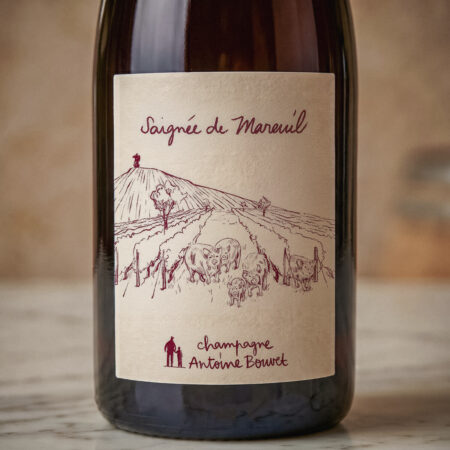
Millésime — vintage Champagne. A single year’s harvest rather than a blend of multiple years. Made only in the best years. Antoine Bouvet’s 2019 Saignée de Mareuil is a millésime wine — six years on lees before release.
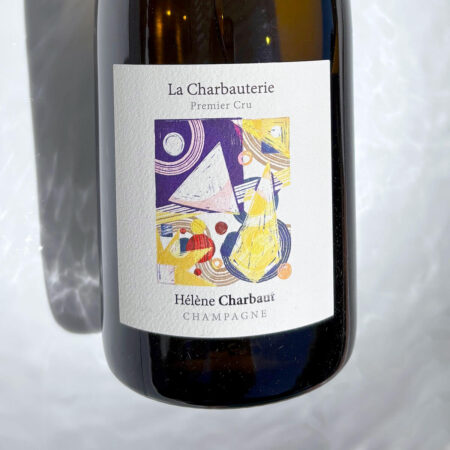
Non-vintage (NV) — the most common style. A blend of multiple harvests. Most house Champagnes are NV. Some growers also make NV wines but with a very different philosophy — using perpetual reserves rather than blending for a consistent flavour profile. The Charbauterie from Hélène Charbaut uses a perpetual reserve that accumulates complexity across vintages.
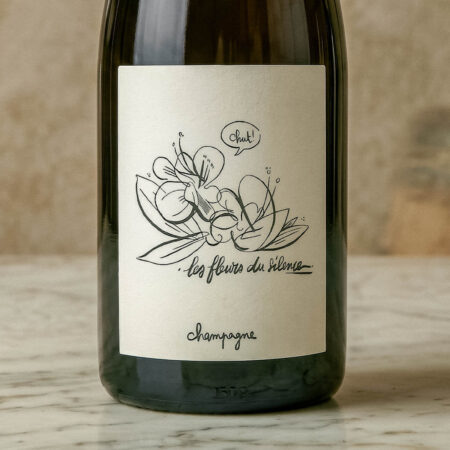
Solera — a method borrowed from Sherry production in which a portion of the oldest wine is blended with successive younger harvests, creating a continuous blend that draws from multiple years simultaneously. Les Fleurs du Silence from Antoine Bouvet is a solera drawing from eight consecutive harvests — 2015 through 2022.
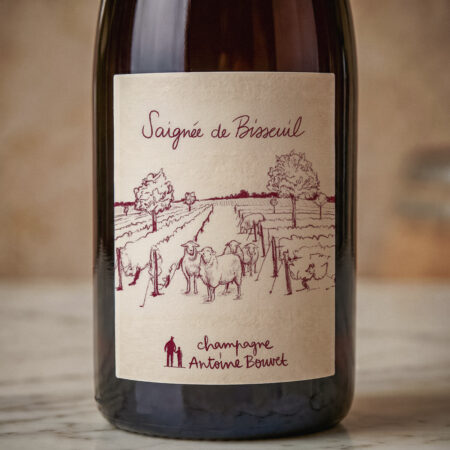
Saignée — a method of making rosé by “bleeding” a portion of juice from red grapes early in maceration, before the skins have transferred much colour. The brief skin contact gives the wine a deeper colour, more texture, and more grip than a direct-press rosé. Antoine Bouvet uses the saignée method for the Les Monts de la Vallée Rosé, the 2022 Saignée de Bisseuil, and the 2019 Saignée de Mareuil — wines with a presence and structure that most rosé Champagnes don’t achieve.
Chalk — Craie — the defining geological feature of the finest Champagne terroirs. Champagne sits on a vast bed of Cretaceous chalk — soft, porous limestone formed from ancient marine sediment — that drains water efficiently while retaining enough moisture for the vines during dry summers. The chalk gives the wines their characteristic mineral tension and salinity. The word appears in several of the wines we carry: La Crayère from Hélène Charbaut takes its name directly from the chalk — craie in French. Pierre Deville’s Grand Cru Verzy sits on some of the deepest chalk deposits in the region.
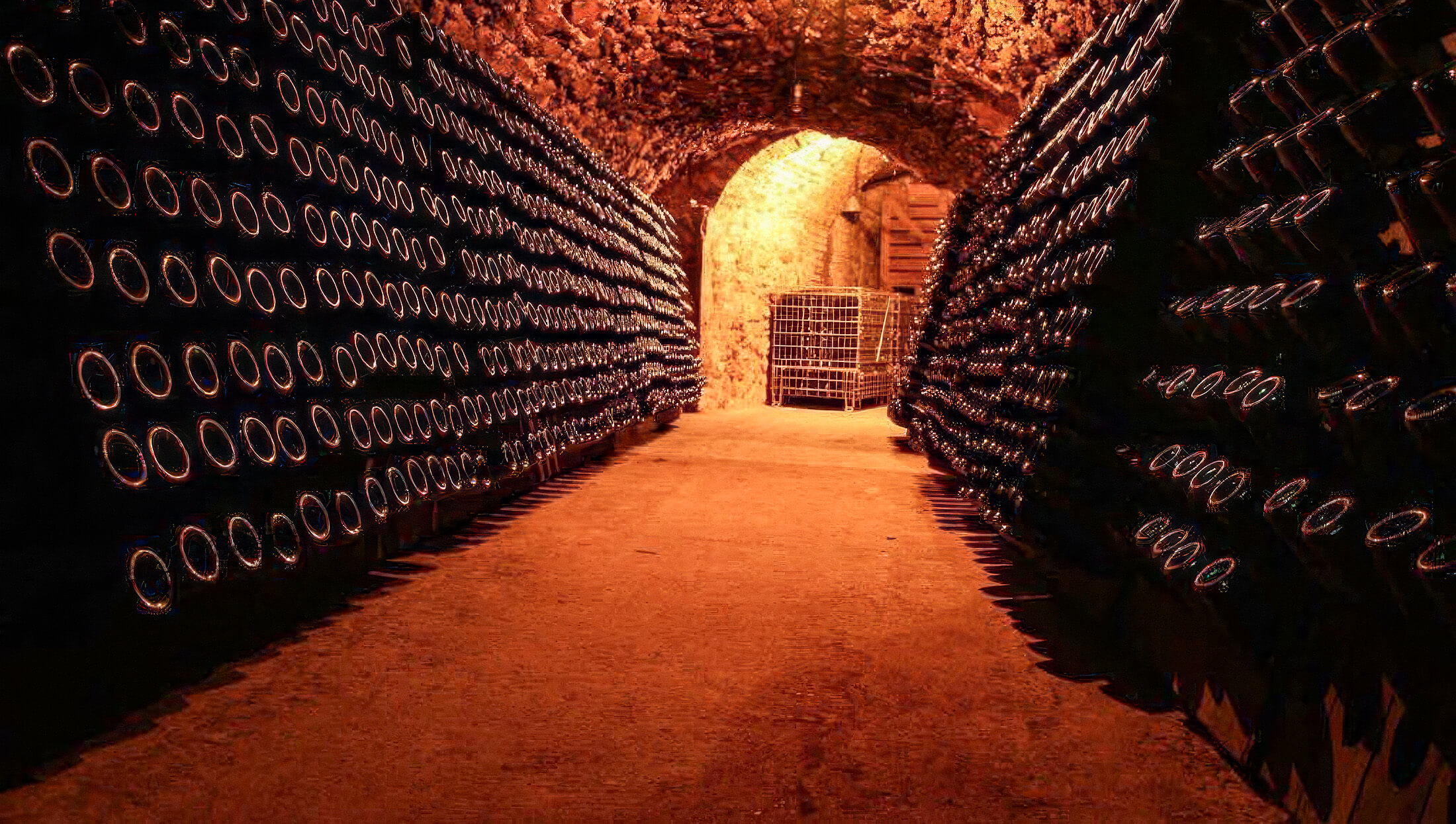
Bottles aging on lees in the Pierre Deville cellar — Grand Cru Verzy, Champagne
Winemakers to know
Champagne is large and the number of growers is significant — there are thousands of RM producers across the region. Here are the producers we work with at Amitié:
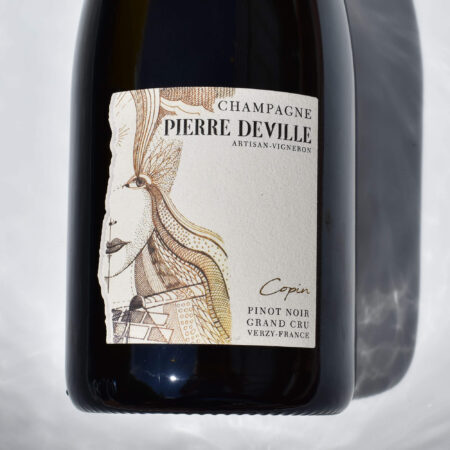
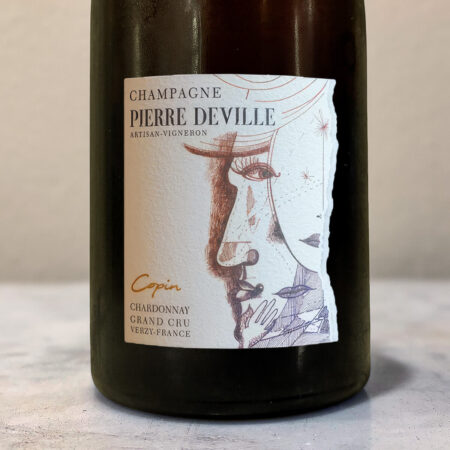
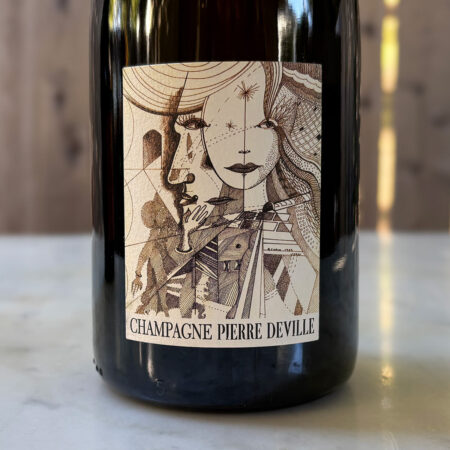
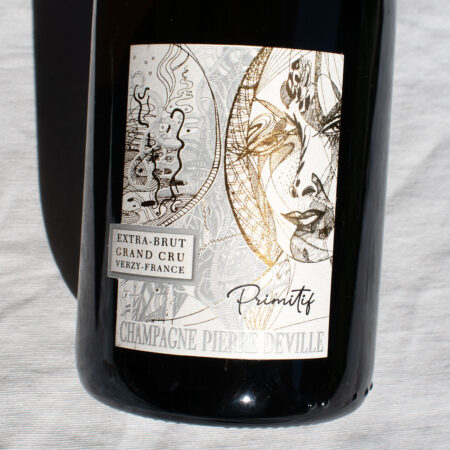
Champagne Pierre Deville — Verzy Grand Cru
Fourth generation. Alban Corbeaux farms biodynamically on Grand Cru chalk in Verzy — the same village Krug sources a significant portion of its fruit from, rarely named on a label. Every wine fermented and aged in old oak barrels. Production around 1,300 bottles per cuvée. Zero dosage. The most cellar-intensive Champagne on the Amitié list and the producer that most consistently surprises buyers who think they know what Champagne tastes like.
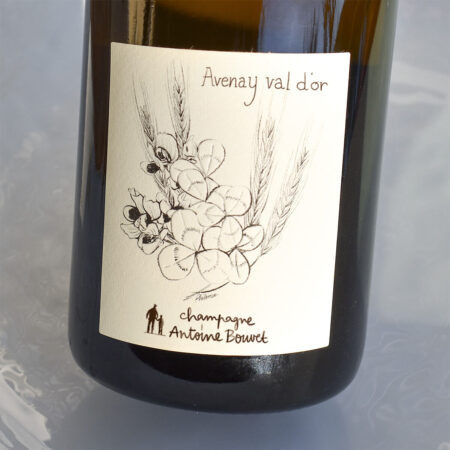
Champagne Antoine Bouvet — Mareuil-sur-Aÿ, Bisseuil, Avenay Val d’Or
Fifth generation. Antoine farms five and a half hectares across three Premier Cru villages biodynamically and works exclusively with old oak — no stainless steel anywhere in the cellar. Some wines age in barrel for four years before release. Zero or low dosage throughout. The range spans from the multi-village Les Monts de la Vallée Blanc de Noirs through single-plot cuvées from parcels planted as early as 1958. Sells out with every release.
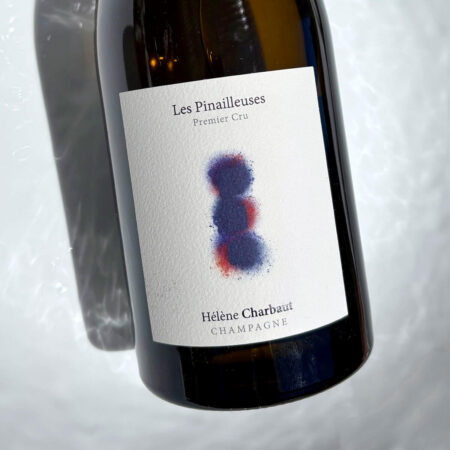
Champagne Hélène Charbaut — Mareuil-sur-Aÿ and Bisseuil
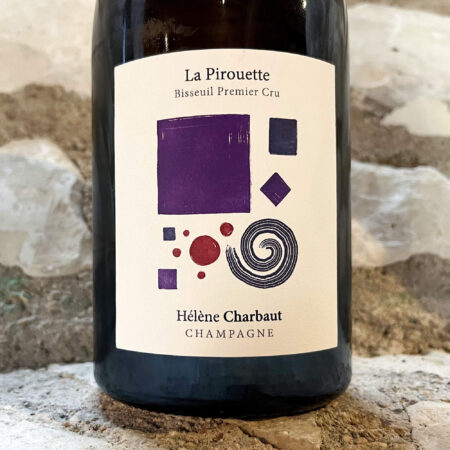
Fourth generation. Five cuvées — each a single grape variety, a single expression of Premier Cru terroir from a historic cave the family has worked since 1937. La Crayère is 100% Chardonnay from two Bisseuil parcels planted in 1963. La Pirouette is 100% Pinot Noir from a single plot planted in 1960. La Meunière is 100% Meunier from chalk-dominant soils in Bisseuil — an unusual combination that produces something genuinely unlike any other wine in Champagne. Next allocation expected spring 2027.
Champagne Pascal Lejeune — Coteaux Sud d’Épernay
Family domaine in Moussy on the south-facing slopes of the Coteaux Sud d’Épernay. Among the first producers in Champagne to plant cover crops between vine rows. HVE certified. 4.4 hectares across three villages. A producer who has been farming this specific terroir with unusual care for longer than most buyers have been paying attention to it.
If you already know grower Champagne — what makes ours different
The producers on the Amitié wines list are not simply growers who bottle their own wine. They represent a specific point of view about what Champagne can be — extended barrel ageing where most growers use stainless steel, zero dosage where most add sugar, single-parcel vinification where most blend across villages for consistency.
Pierre Deville ferments everything in old oak barrels in Verzy Grand Cru — the same village Krug sources significant fruit from, rarely named on a label. Antoine Bouvet ages some wines in barrel for four years before release — longer than most growers age their wine on lees. Hélène Charbaut makes a Blanc de Meunier from chalk-dominant soils in Bisseuil — an unusual combination that produces something genuinely unlike any other wine in Champagne.
These are not entry points into the category. They are statements about terroir and winemaking from producers who know exactly what they’re doing and why. If you’ve been drinking grower Champagne for years and are looking for something that takes it further — this is where to look.
Stay in the loop
The producers we work with make wine in very small quantities. Some cuvées sell out before they arrive. The best way to ensure access is to join the Amitié list — we send a note when new wines arrive and give list members first access before we open to restaurant and retail accounts.
The next Antoine Bouvet allocation arrives late November 2026. The next Hélène Charbaut allocation is expected spring 2027.
Shop Champagne
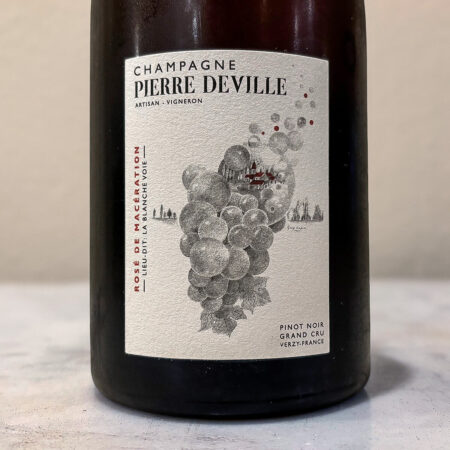
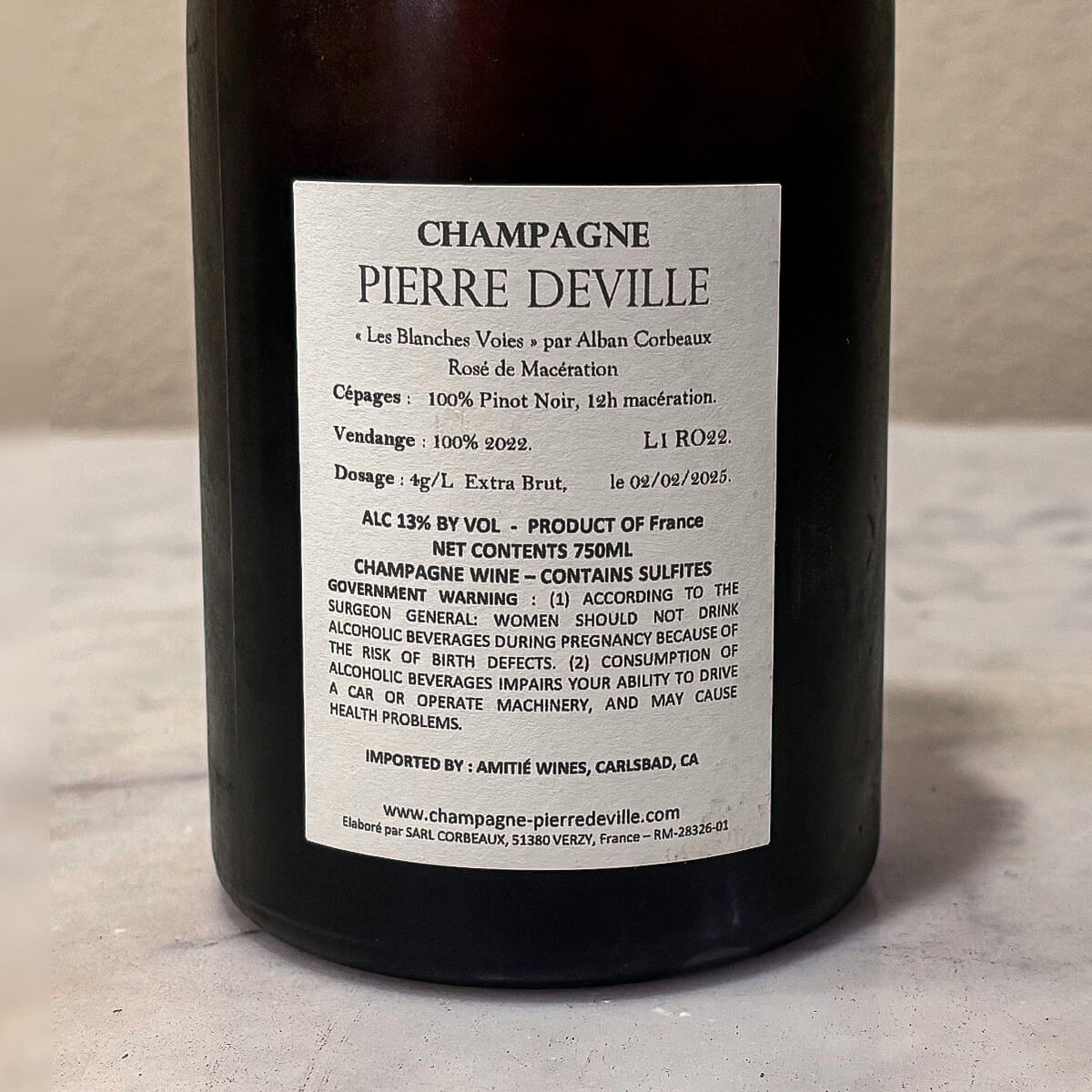






Champagne Pierre Deville
Fourth-generation grower in Verzy Grand Cru. Biodynamic farming, indigenous yeasts, barrel-aged.
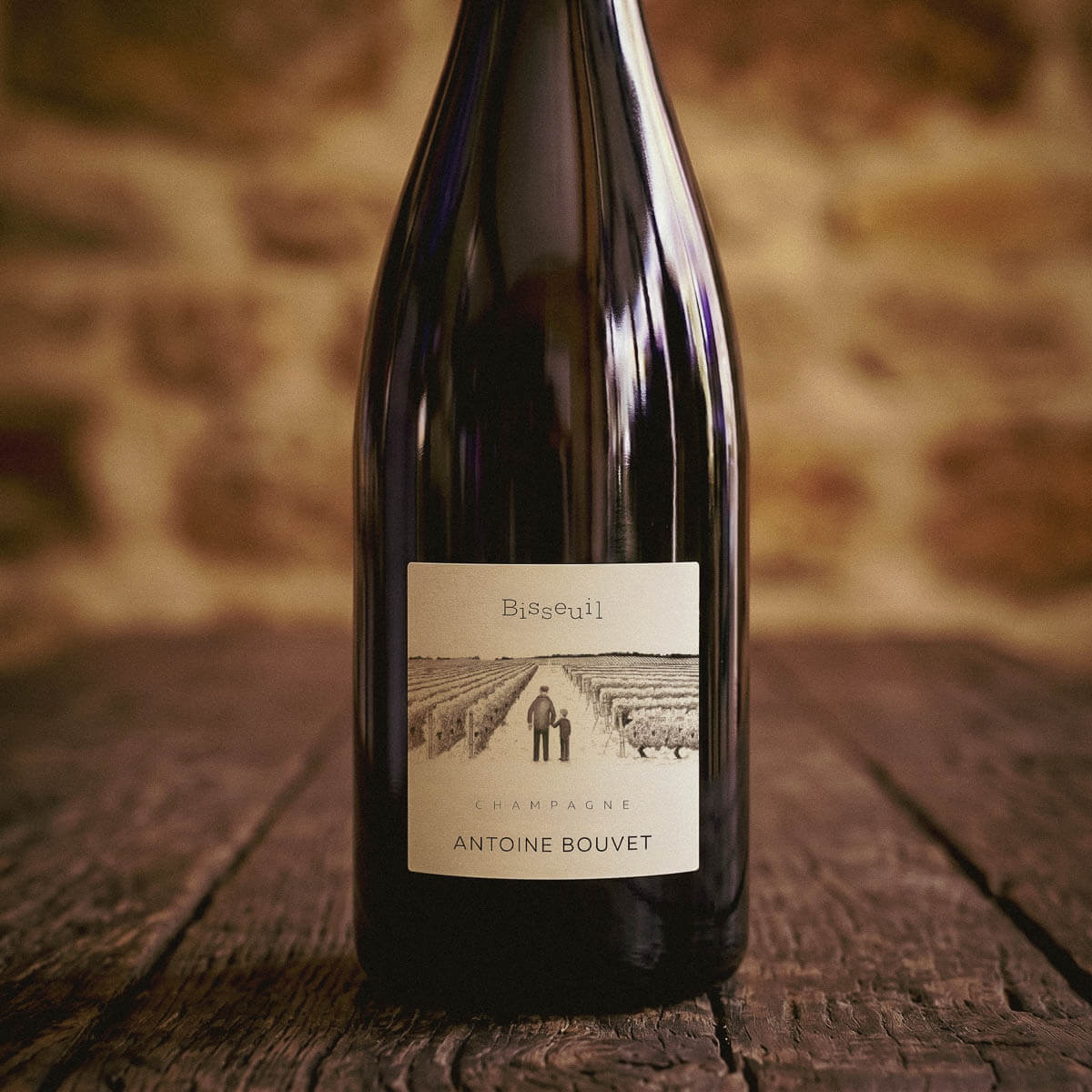
Champagne Antoine Bouvet
Five and a half hectares across Mareuil-sur-Aÿ, Bisseuil, and Avenay Val d’Or. Extended barrel aging. Sells out with every release.
Champagne Hélène Charbaut
Fourth-generation grower in Mareuil-sur-Aÿ. Five cuvées — each a single grape variety, a single expression of terroir.
Champagne Pascal Lejeune
Family domaine on the south-facing slopes of the Coteaux Sud d’Épernay. One of the first in Champagne to plant cover crops between vine rows.
The Antoine Bouvet pre-arrival allocation opens soon.
Two cuvées offered for the first time and a full lineup of Antoine’s wine, available to our pre-arrival list members only.