Showing all 5 resultsSorted by latest
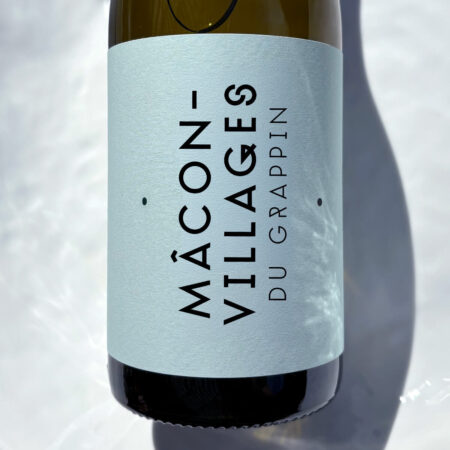
Du Grappin is Andrew and Emma Nielsen’s more accessible range — wines from Beaujolais, the Mâconnais, and Vézelay made for the table, the by-the-glass list, and everyday drinking. The same organically farmed growers, the same obsessive attention in the cellar as Le Grappin, at friendlier prices.
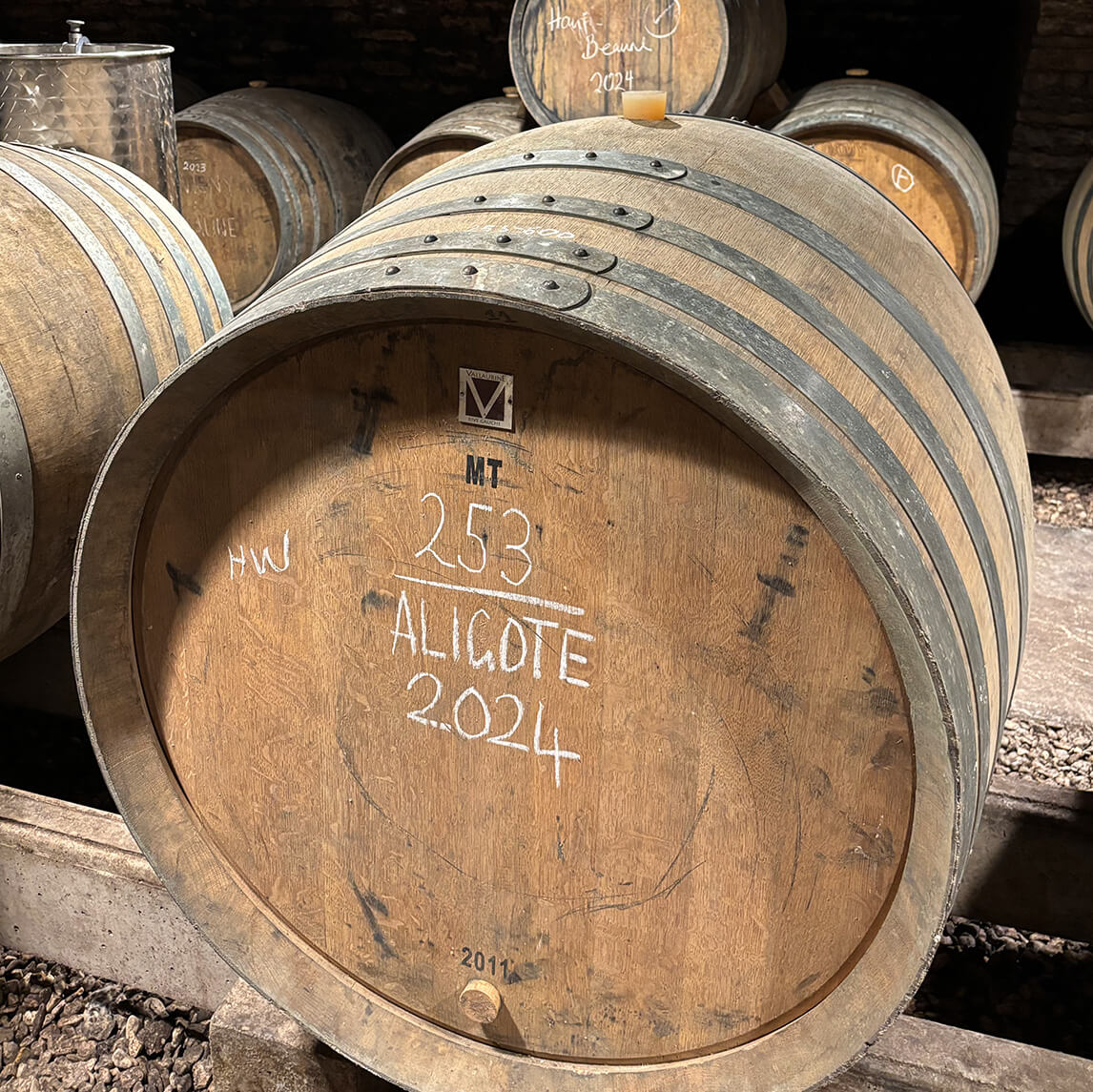
The Du Grappin Bourgogne Aligoté was featured by Eric Asimov in The New York Times — “demonstrates how pleasing and refreshing the grape can be.” The Vézelay Blanc comes from Kimmeridgian limestone in the northern Yonne — fermented in old oak foudre and concrete egg, twelve months on lees. The Côte de Brouilly is Gamay from granite soils on the slopes of Mont Brouilly in Beaujolais.
Explore Le Grappin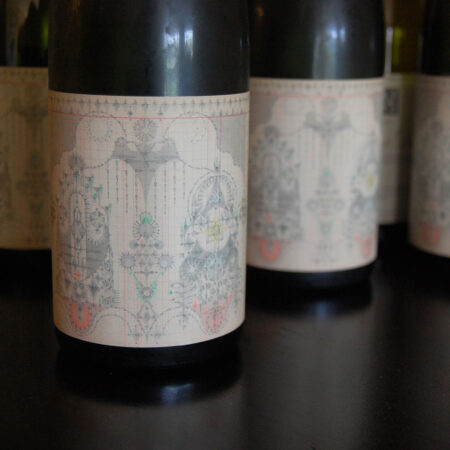



Where to Start
New to Amitié Wines? Find the right bottle for your taste and budget.
New Arrivals
The latest wines from our producers — what just came in and what's coming soon.
The Winemakers we work with
Winemaking families in Burgundy and Champagne — who they are and why we import their wines.
Holiday Wines 2026
Our picks for the table, the gift, and the cellar — across every price point on the list.
Winemakers we work with
Le Grappin
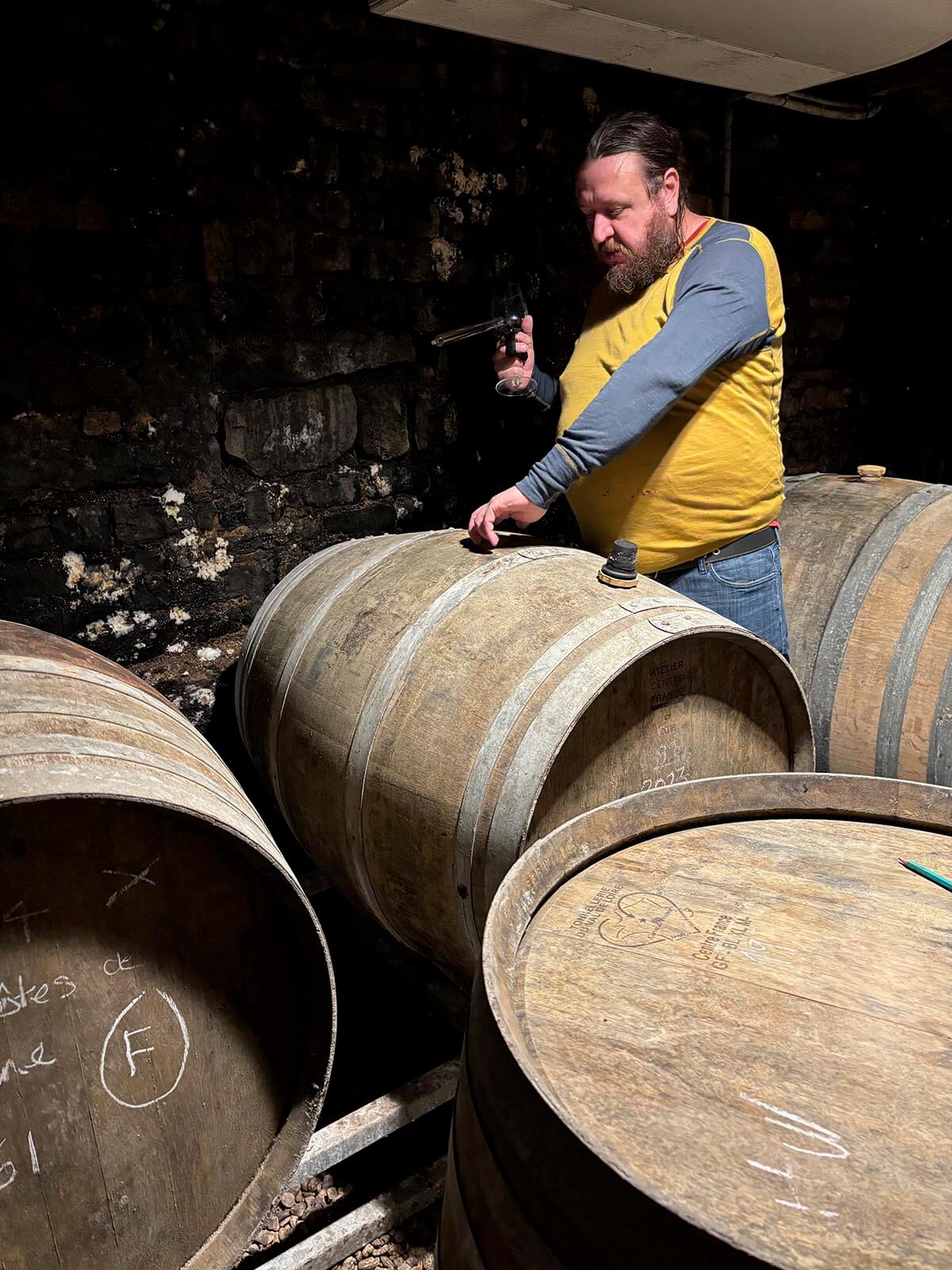
Andrew and Emma Nielsen. Wines from specific, organically farmed parcels across Burgundy and Beaujolais, made and bottled by hand.
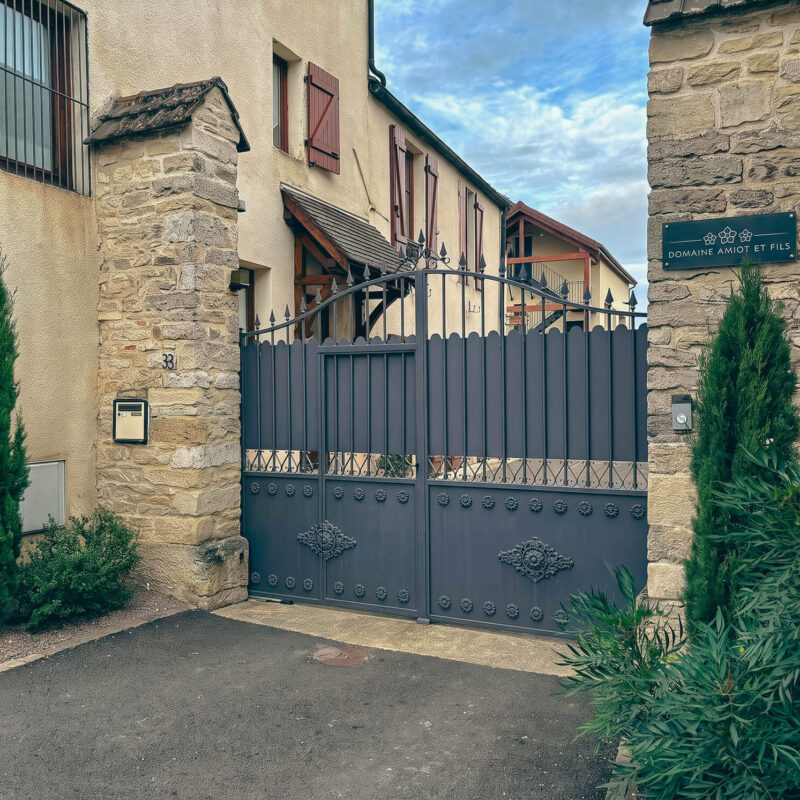
Domaine Amiot et Fils
Ten generations in Morey-Saint-Denis since 1702. Named Vigneron de l’Année 2026 — Bourgogne by the Guide Hachette des Vins.
Domaine Charlopin-Tissier
Yann Charlopin and Justine Tissier brought two family vineyard holdings together in 2013. Gevrey-Chambertin winery with vineyards across the Côte de Nuits and the Côte de Beaune.
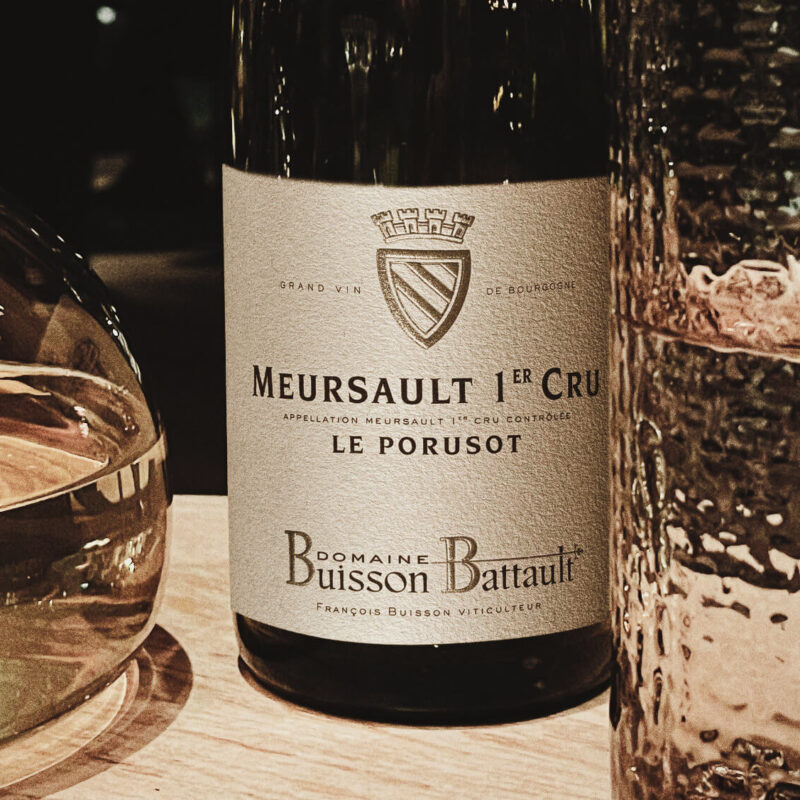
Domaine Buisson-Battault
Fifth-generation family domaine in Meursault. Farming the same plots since the 1920s, across fourteen appellations from Bourgogne to Premier Cru.
Mark Haisma
Australian-born, trained at Yarra Yering in Victoria. Based in Gevrey-Chambertin since 2007. Named one of Tim Atkin’s Top 25 Producers to Watch.
Champagne Pierre Deville
Fourth-generation grower in Verzy Grand Cru, working five hectares of chalk soils on the Montagne de Reims. Biodynamic farming, hand harvesting, indigenous yeasts, old oak.
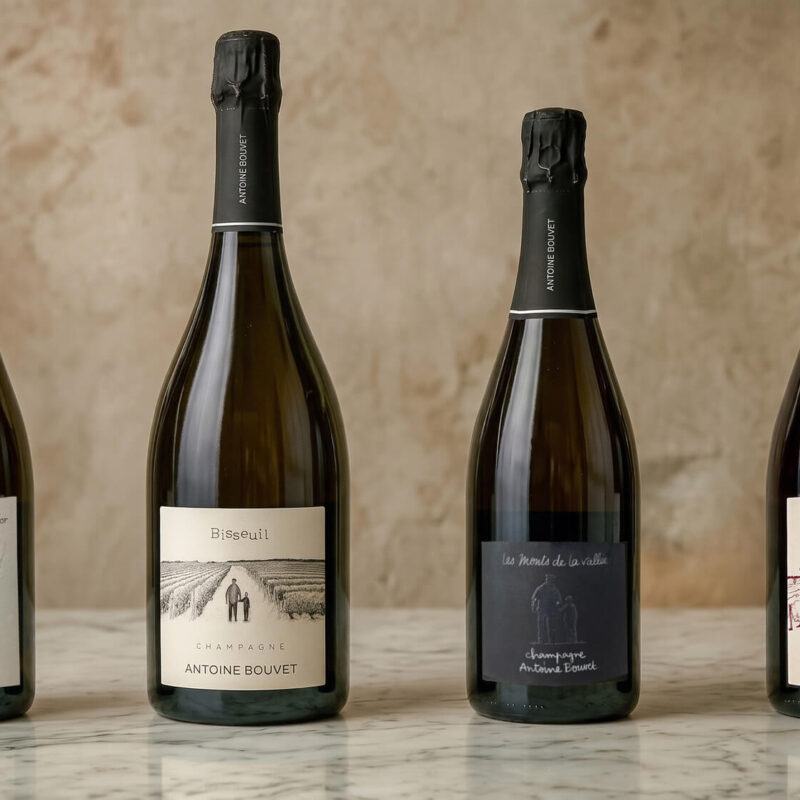
Champagne Antoine Bouvet
Fifth-generation grower farming 5.5 hectares across Mareuil-sur-Aÿ, Bisseuil, and Avenay Val d’Or. Biodynamic, old oak only, with some wines resting four or more years before release.
Champagne Hélène Charbaut
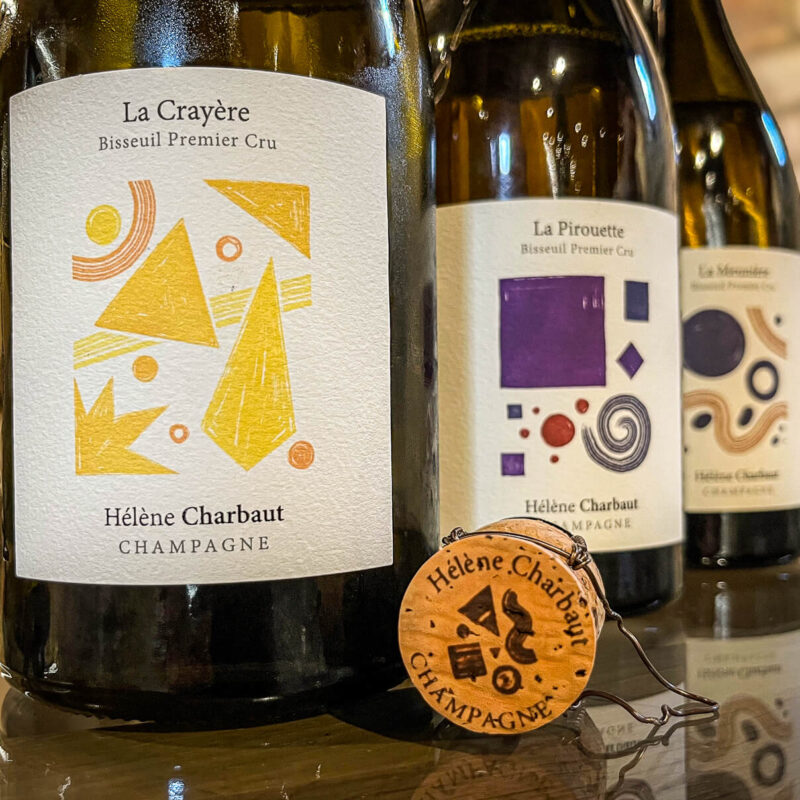
Fourth-generation grower in Mareuil-sur-Aÿ and Bisseuil, working a family cave that dates to 1937. All five cuvées are Premier Cru: four single-variety wines and a Pinot Noir-led blend.
Champagne Pascal Lejeune
Family domaine on the south-facing slopes of the Coteaux Sud d’Épernay. One of the first in Champagne to plant cover crops between vine rows.