Showing all 15 resultsSorted by latest
Prestige cuvée is the term used for a Champagne producer’s finest and most limited expression — the wine that represents the peak of what the domaine produces. For the large houses, prestige cuvées are famous names: Dom Pérignon, Cristal, Belle Époque. For grower Champagne producers, the prestige cuvée is typically a single-parcel or single-vintage wine made from the oldest vines in the most specific terroir the producer farms.
The prestige cuvées on the Amitié list are defined not by price alone but by specificity — the most particular expression of a specific parcel, a specific vintage, or a specific winemaking philosophy pushed to its furthest point.
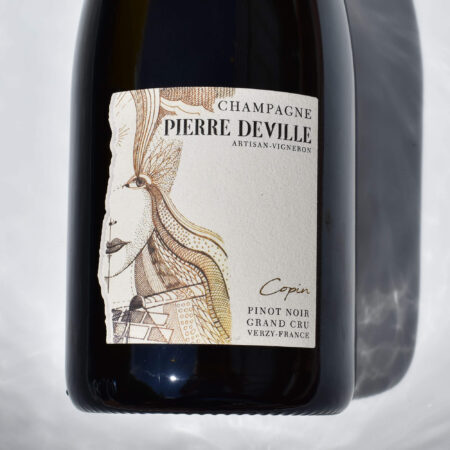
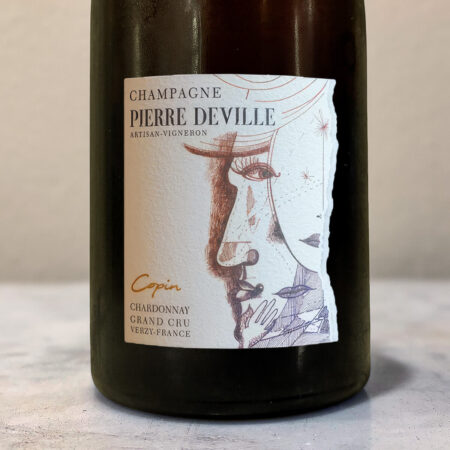
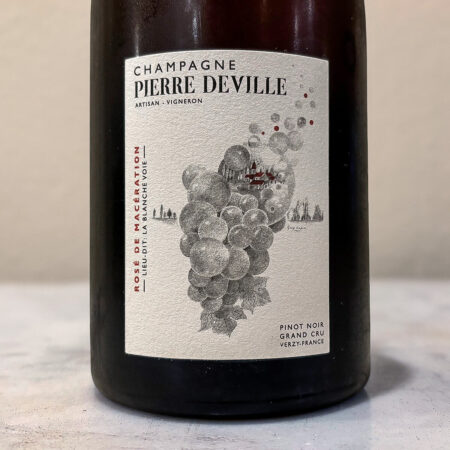
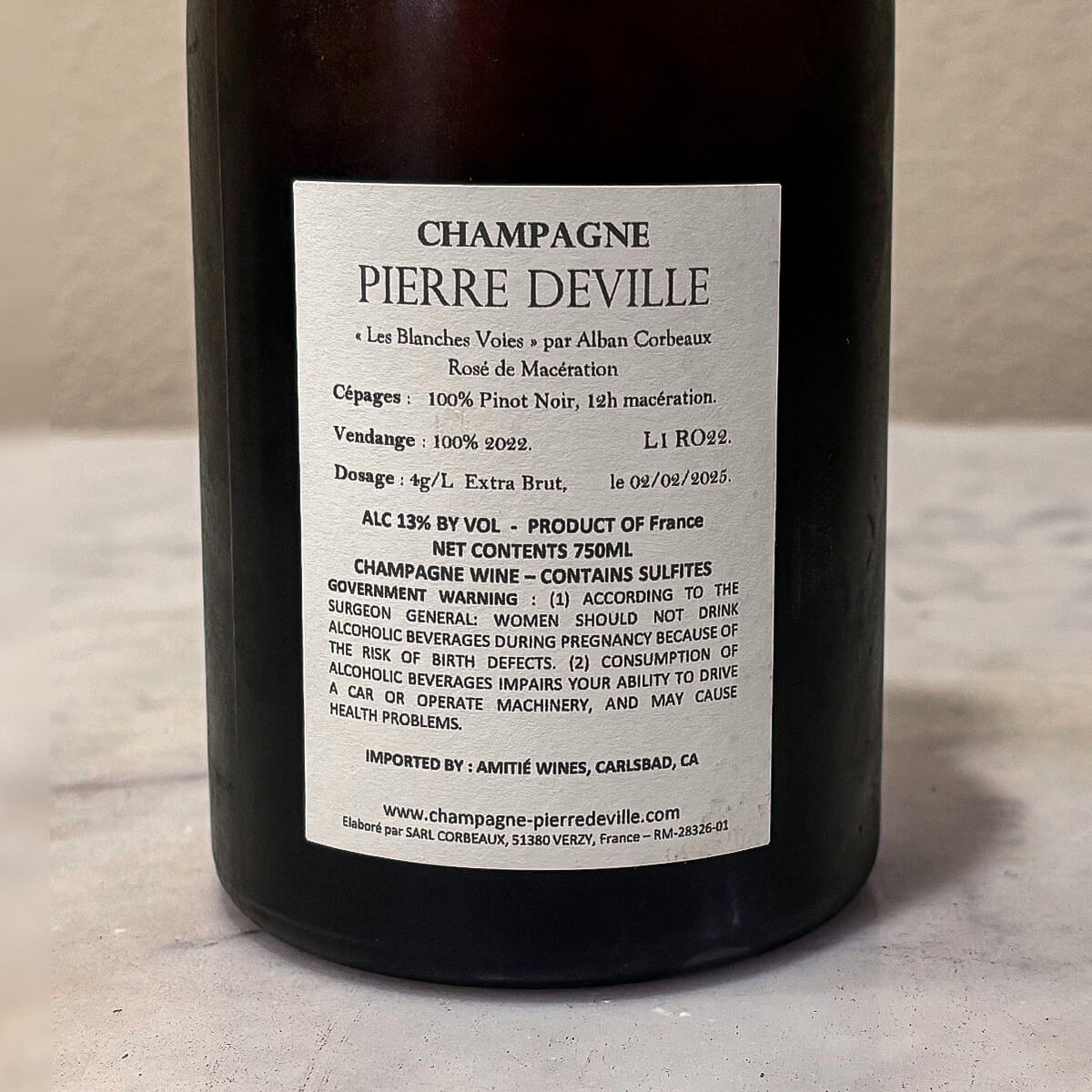
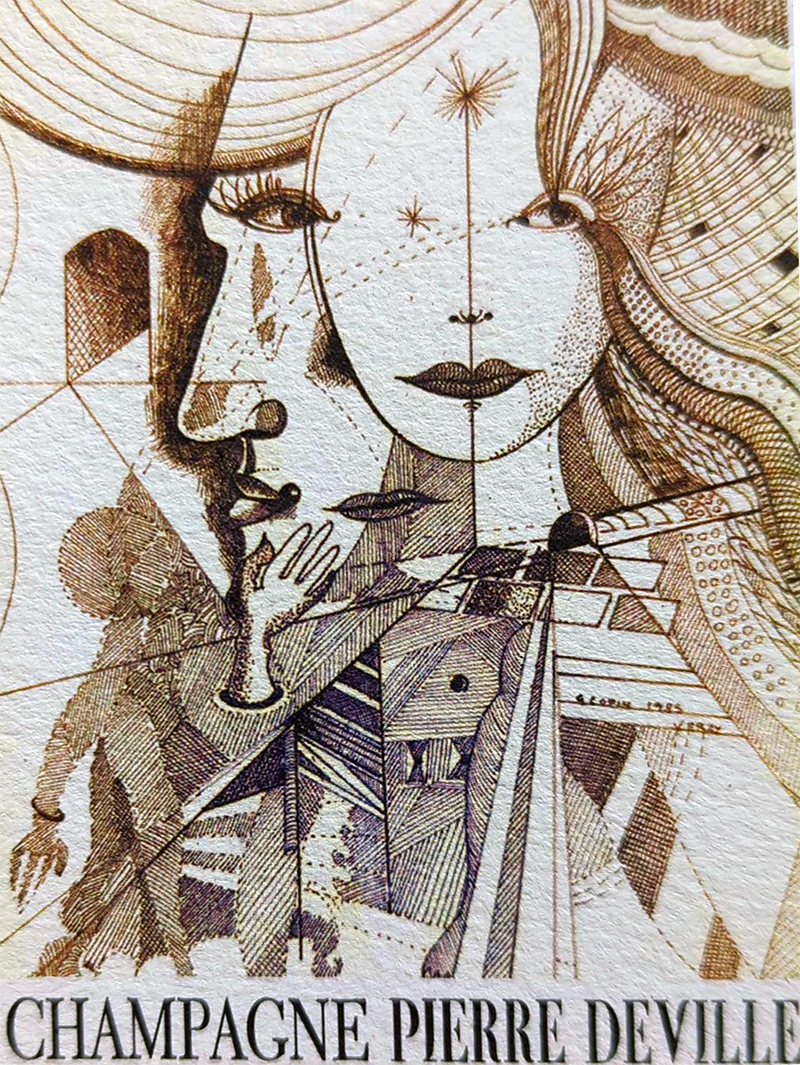
Pierre Deville Rosé de Macération — 100% Pinot Noir from La Blanche Voie, a single parcel in Grand Cru Verzy planted in 1968. Extended maceration rather than the blending method most Champagne rosés use. One of the most distinctive wines on the Amitié list.
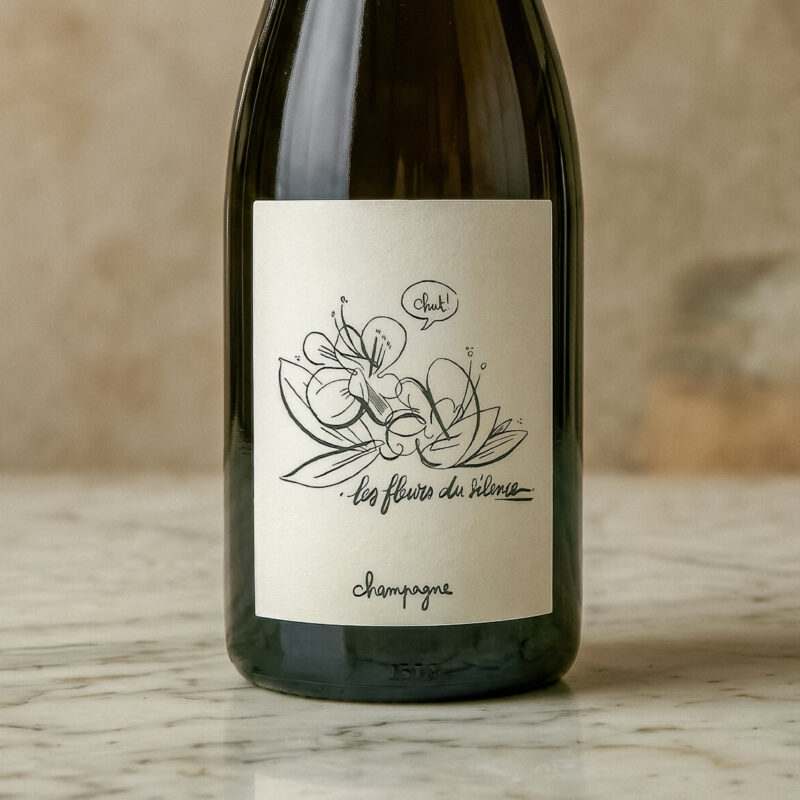
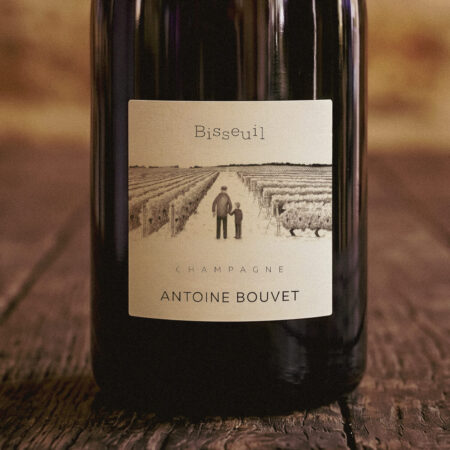
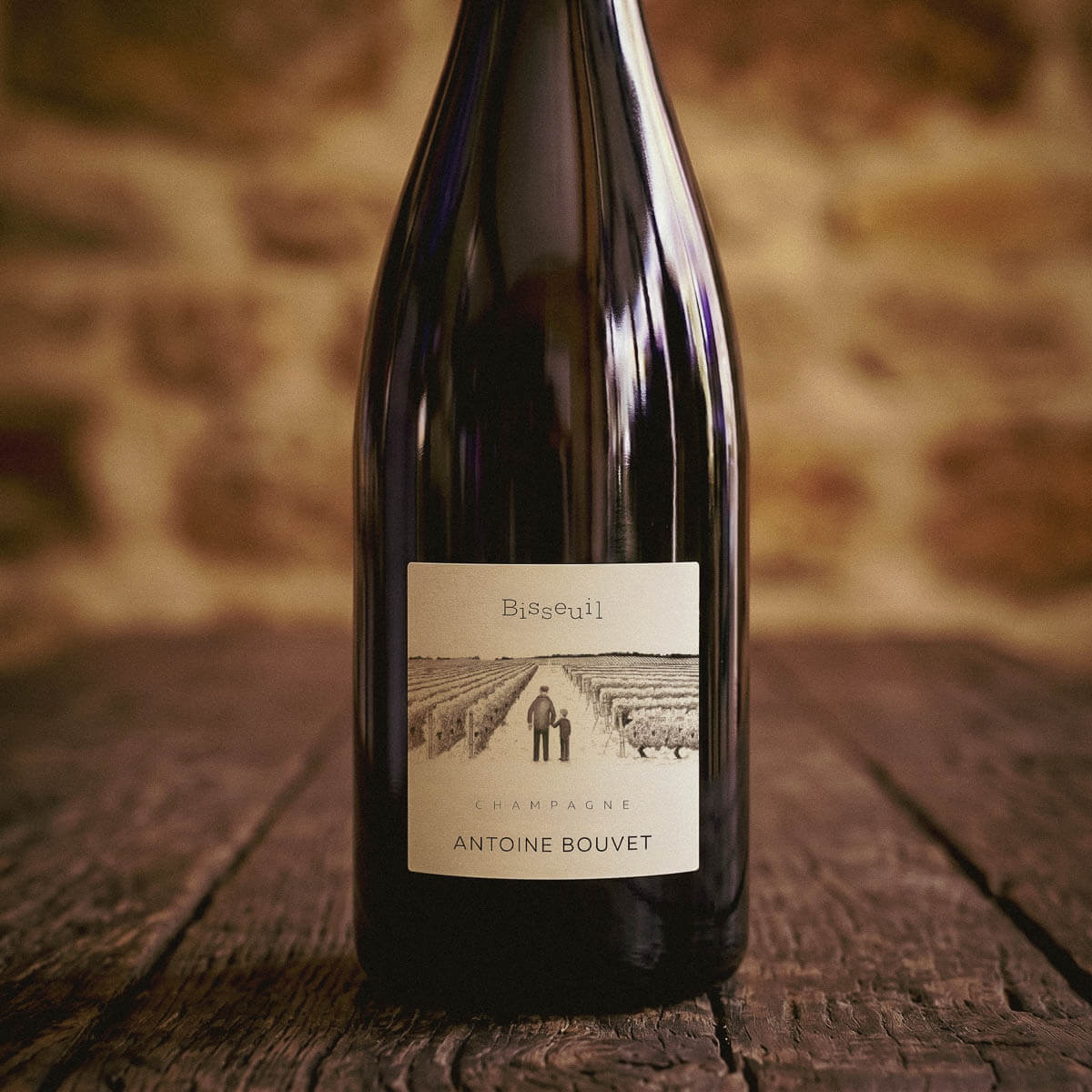
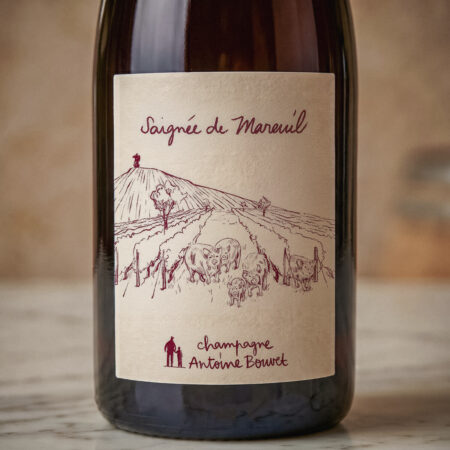
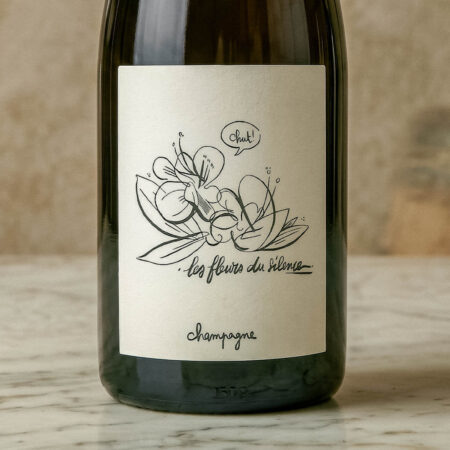
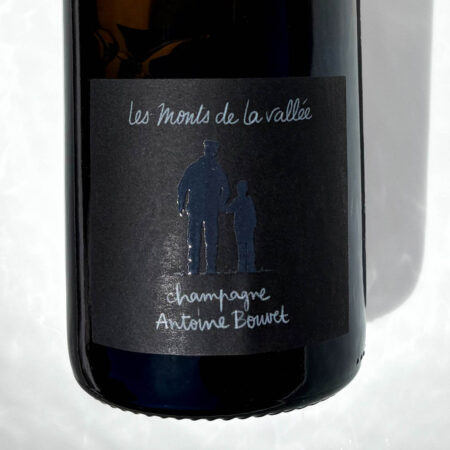
Antoine Bouvet Les Fleurs du Silence — a solera drawing from eight consecutive harvests, 2015 through 2022. Chardonnay, Meunier, and Pinot Noir from Avenay Val d’Or. The label says chut — hush. Making its US debut with the December 2026 allocation.
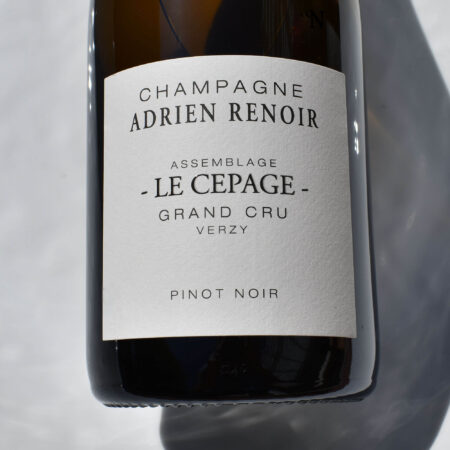
Adrien Renoir Les Années — a solera built from consecutive Grand Cru Verzy harvests. The most complex and time-intensive wine in the Renoir range.
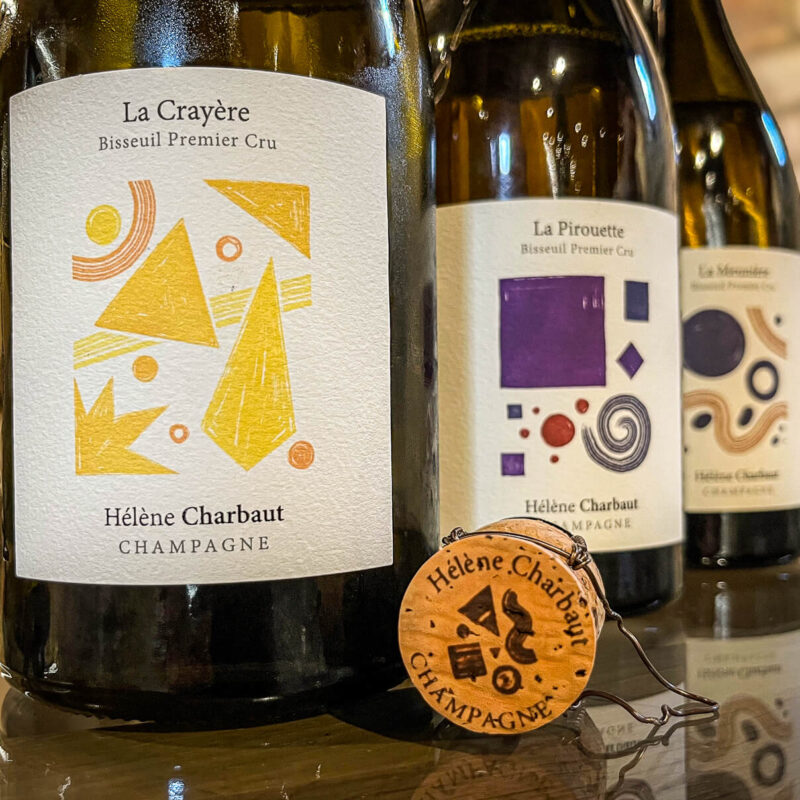
Hélène Charbaut La Crayère — 100% Chardonnay from Les Côtes and Les Rocheforts in Bisseuil, vines planted in 1963. 1,440 bottles. Named for the chalk — la craie — beneath the vineyard.
Learn more about grower Champagne →
Join the Antoine Bouvet pre-arrival list →


Where to Start
New to Amitié Wines? Find the right bottle for your taste and budget.
New Arrivals
The latest wines from our producers — what just came in and what's coming soon.
The Winemakers we work with
Winemaking families in Burgundy and Champagne — who they are and why we import their wines.
Holiday Wines 2026
Our picks for the table, the gift, and the cellar — across every price point on the list.
Winemakers we work with
Le Grappin
Andrew and Emma Nielsen. Wines from specific, organically farmed parcels across Burgundy and Beaujolais, made and bottled by hand.
Domaine Amiot et Fils
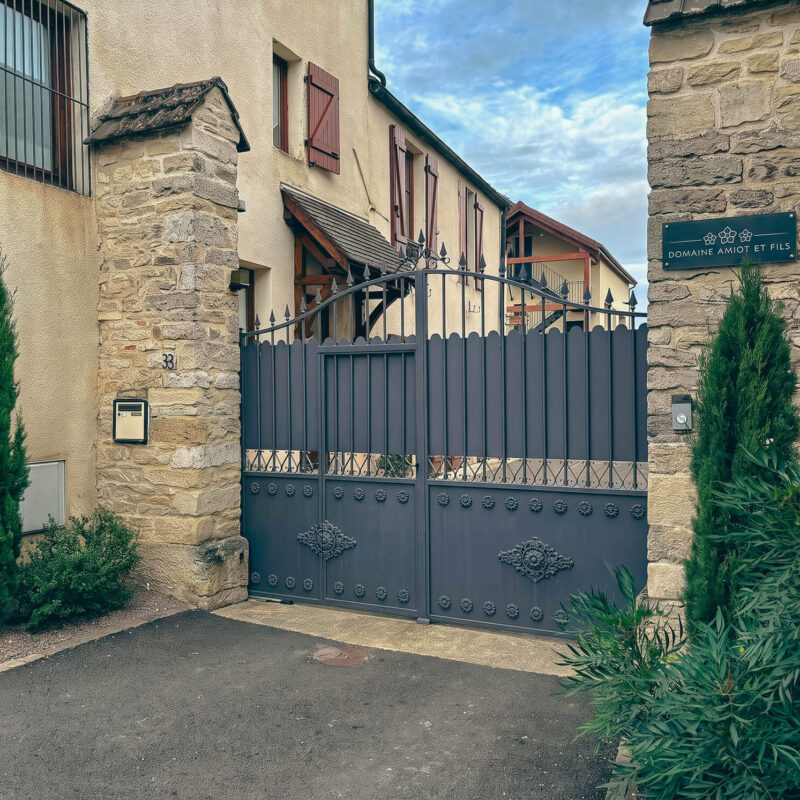
Ten generations in Morey-Saint-Denis since 1702. Named Vigneron de l’Année 2026 — Bourgogne by the Guide Hachette des Vins.
Domaine Charlopin-Tissier
Yann Charlopin and Justine Tissier brought two family vineyard holdings together in 2013. Gevrey-Chambertin winery with vineyards across the Côte de Nuits and the Côte de Beaune.
Domaine Buisson-Battault
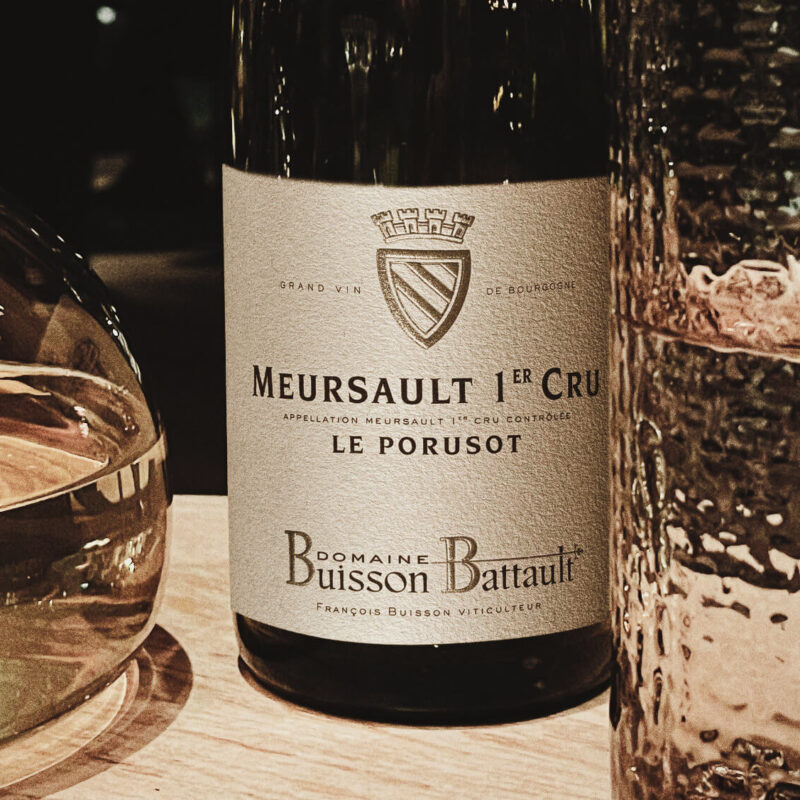
Fifth-generation family domaine in Meursault. Farming the same plots since the 1920s, across fourteen appellations from Bourgogne to Premier Cru.
Mark Haisma
Australian-born, trained at Yarra Yering in Victoria. Based in Gevrey-Chambertin since 2007. Named one of Tim Atkin’s Top 25 Producers to Watch.
Champagne Pierre Deville
Fourth-generation grower in Verzy Grand Cru. Biodynamic farming, indigenous yeasts, barrel-aged.
Champagne Antoine Bouvet
Five and a half hectares across Mareuil-sur-Aÿ, Bisseuil, and Avenay Val d’Or. Extended barrel aging. Sells out with every release.
Champagne Hélène Charbaut
Fourth-generation grower in Mareuil-sur-Aÿ. Five cuvées — each a single grape variety, a single expression of terroir.
Champagne Pascal Lejeune
Family domaine on the south-facing slopes of the Coteaux Sud d’Épernay. One of the first in Champagne to plant cover crops between vine rows.